
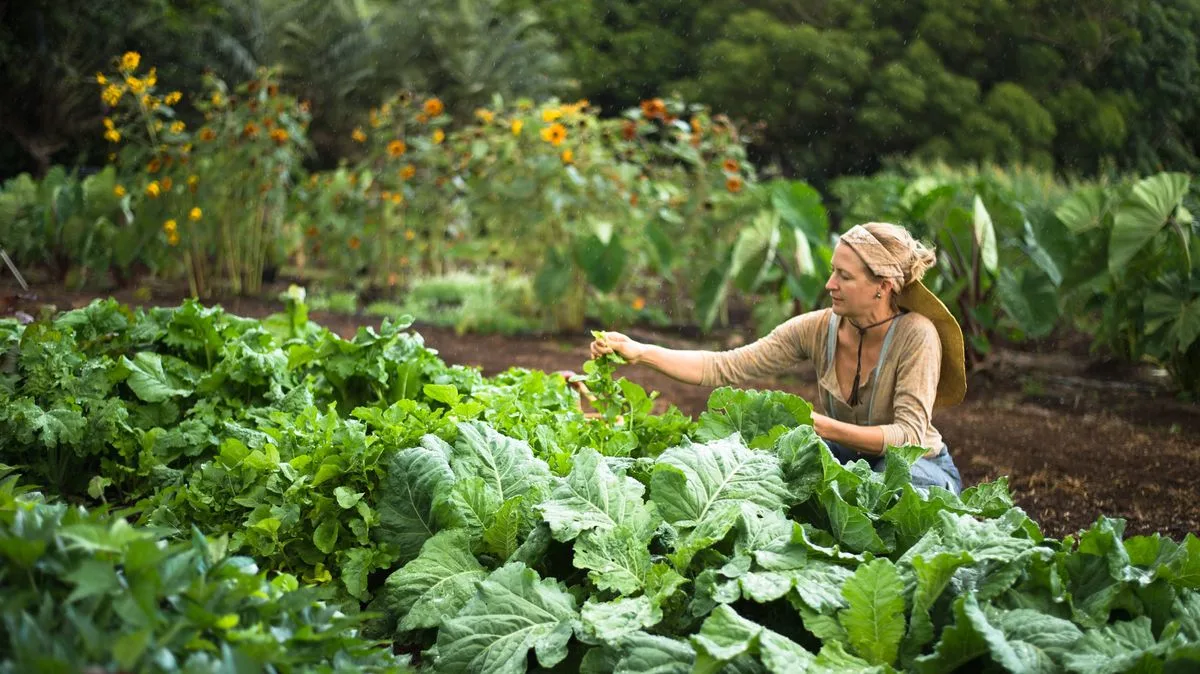
Gardeners across the UK are turning to a common kitchen scrap to protect their crops from slugs. Eggshells, when crushed and scattered around vulnerable plants, create a sharp barrier that deters these persistent pests. The method has been praised for its effectiveness, though heavy rain can reduce its reliability as shells become slippery.
Slugs and snails can devastate vegetable patches overnight, reducing healthy young plants to stems and consuming ripened strawberries before they can be picked. While slugs play a role in nature, gardens can become overrun, causing significant problems for growers. Experts caution that slug pellets, even organic options, can harm wildlife.
The Royal Horticultural Society recommends alternative natural traps, such as half orange, grapefruit, or melon skins placed cut side down, or jars part-filled with beer sunk into the soil. These traps should be checked and emptied daily to draw slugs away from edible plants.
For a biological control, 'Nemaslug' offers an organic treatment containing microscopic worms that infect slugs with a fatal bacteria. This method poses no danger to other garden wildlife.




