Tens of Thousands of Queensland Cattle Starve Amid Floods, Trapped by Fear
Cattle Starve on Flooded Islands in Queensland

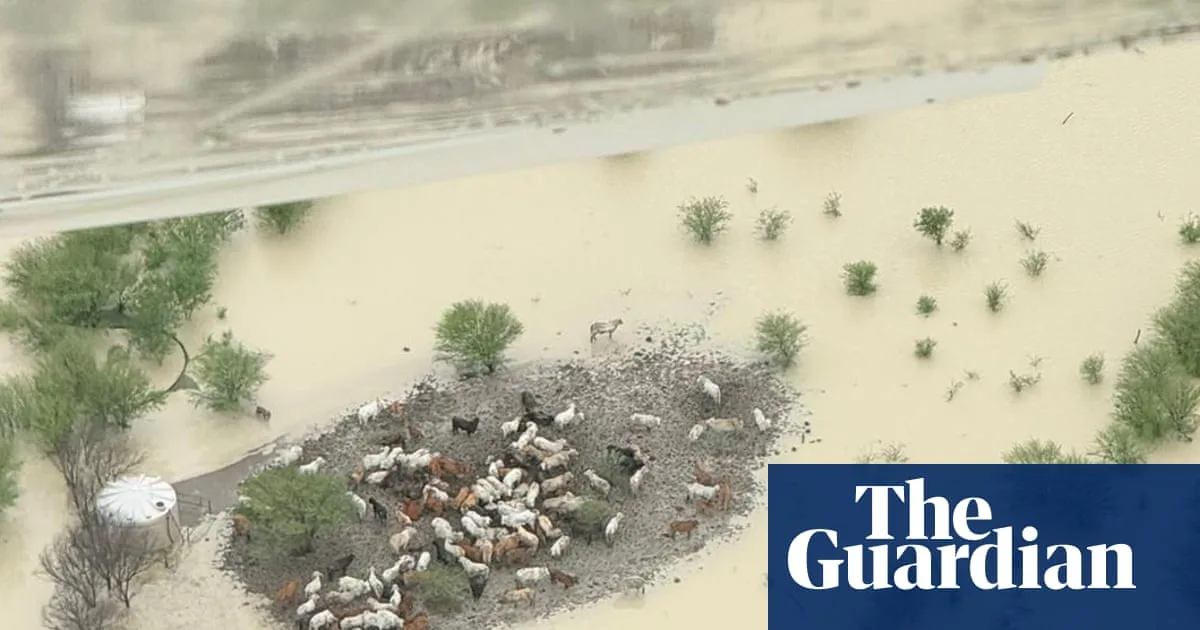
A catastrophic and perplexing scene is unfolding across the flood-ravaged plains of north-west Queensland, where tens of thousands of cattle are slowly starving to death, encircled by the very resources that could save them.

A Baffling and Heartbreaking Paradox

Stranded on sodden islands of high ground that dot the submerged landscape, the animals are surrounded by fresh rainwater and within sight of abundant grass. Yet, they are perishing from thirst and hunger in what graziers describe as a devastating psychological standoff. "It sounds completely absurd," says cattleman Angus Propsting, whose station is located north-east of Richmond. "But they are actually perishing because they are not drinking, even though they are surrounded by water."

The 31-year-old explains that even with fodder just tens of metres away, the cattle will not cross the intervening floodwater. "They are not leaving their little islands, they are just starving themselves to death," Propsting says. "It is like they have given up – or they are too fearful to leave." The water is fresh and not too deep to wade through, and there are no crocodiles on his property, adding to the bewilderment.

Echoes of a Previous Disaster

This is not an isolated or new phenomenon. Propsting and others note the same behaviour occurred during the historic floods of 2019, which saw half a million head of cattle and sheep drown, starve, or die of illness. That event inundated a staggering 11.4 million hectares of grazing country.

Now, after weeks of rain since Christmas, blue skies have returned for a third consecutive day, allowing graziers to begin assessing the damage. Initial estimates suggest tens of thousands of livestock have been lost, but Richmond Shire Mayor John Wharton believes official counts are conservative. "I would hazard a guess, probably 100,000 [dead cattle]," the mayor stated, adding that some large properties in the Gulf region could lose that many alone. He warns it may take up to five months to understand the full scale of devastation, with fences washed away and cattle swept vast distances.

Mental Toll on Man and Beast

The trauma is not confined to the livestock. The psychological strain on the graziers themselves is immense as they begin the grim task of recovery. "People are very mentally stressed and traumatised," Mayor Wharton confirms. "It does have an effect on you, that's for sure." Propsting describes communities as "a bit mute and confused" as receding waters reveal more carcasses.

On the flatter, black soil plains around Julia Creek, the situation is even more dire. Grazier Guy Keats of Beefmaster describes country that floods entirely. "They've been standing in water for a week – we're losing them. We're losing a lot of calves," he says, calling the situation "fairly exhausting and sickening." For some, the only recourse is a grim mercy. "I'm doing what I can," Keats says. "Flying around and shooting them … I'm just about at the end of it, you know?"

Further north, Cody Rogers reports the Flinders River continues to spread, threatening cattle previously thought safe. The black soil mud has become a debilitating slurry. "The best way I can explain it is: go and put a pair of jeans on and tape up the bottom and fill it with sand," Rogers says, describing the exhausting conditions for both man and beast. "That is what they are trying to put up with, poor buggers. It's horrible."
Despite the clear skies, a new threat looms. The Bureau of Meteorology forecasts a tropical low over the Coral Sea could develop into a cyclone, bringing heavy rain back to the soaked catchments over the weekend. Guy Keats voices a widespread fear: "If it does that, it'll be a bloody disaster," potentially mirroring the devastation of seven years ago.