The administration of California Governor Gavin Newsom is moving to loosen restrictions on the most toxic rat poisons, even as a new state report shows these anticoagulant rodenticides are unintentionally poisoning wildlife, including endangered species. The 2024 Poison Free Wildlife Act, passed after a decade of legislative efforts, had significantly limited the use of these substances unless data showed affected species had recovered.
A recent report from the California Department of Fish and Wildlife, also under Newsom's administration, reveals widespread poisonings across dozens of species, including mountain lions, hawks, owls, bears, and bobcats. About 83% of bald eagles tested showed traces of the rodenticides in their blood, and endangered California condors also exhibited high levels.
Despite this evidence, the California Department of Pesticide Regulation has proposed rules that would allow the use of the most toxic rat poisons at over 100,000 new locations, including grocery stores, restaurants, highways, parks, and wildlife areas. The proposal includes limits such as placing poison within 50 feet of a building and restricting use to 35 consecutive days or 105 calendar days.
Environmental advocates have criticized the move. Jonathan Evans, senior attorney at the Center for Biological Diversity, called it a sign of industry influence. 'You have the agency that has tracked this issue for decades putting forward data showing continued harm to wildlife, but another agency is trying to roll back laws the legislature and governor put in place,' he said.
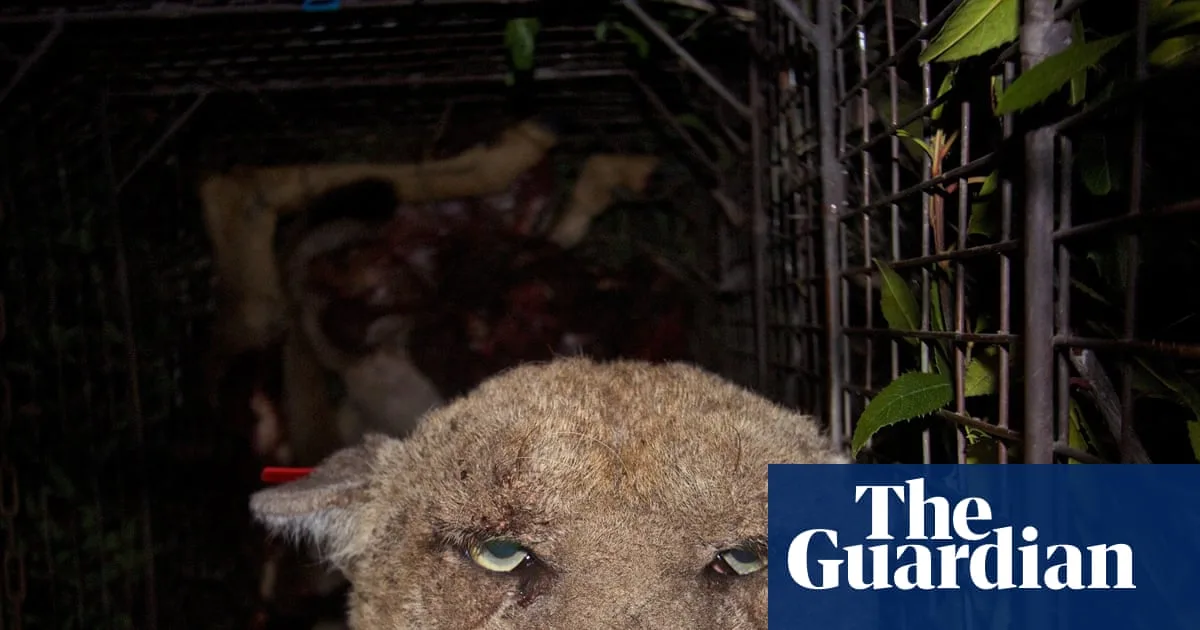
The anticoagulant poisons cause a slow, gruesome death by internal bleeding and have a long half-life, accumulating in predators up the food chain. Even sublethal doses can sicken animals, making them less likely to survive. The 'Hollywood Mountain Lion' that lived in Los Angeles died after being poisoned and then hit by a car while disoriented.
Lisa Owens-Viani, director of Raptors Are the Solution, noted that great-horned owls and red-shouldered hawks, which are natural rodent controllers, have been especially harmed. 'Now is hardly the time to relax restrictions,' she said. The pesticides department, largely funded by pesticide sales, has stated it is 'evaluating the risks' and will consult with wildlife authorities.