Brits Unaware of Global Working Animals' Vital Roles, New Poll Reveals
A recent poll commissioned by the animal welfare charity Working Animals International has uncovered a significant gap in public awareness among Britons regarding the ongoing importance of working animals worldwide. The survey, which involved 2,000 adults, indicates that 59% of respondents rarely or never encounter working animals in their daily lives, with many holding misconceptions about their modern-day roles.
Key Findings from the Research
The research highlights that 41% of Brits admit they do not often think about animals being used for work, and nearly half believe that animals performing tasks too challenging for humans is a relic of the past. However, the reality is far different, as working animals continue to play essential roles in various sectors globally.
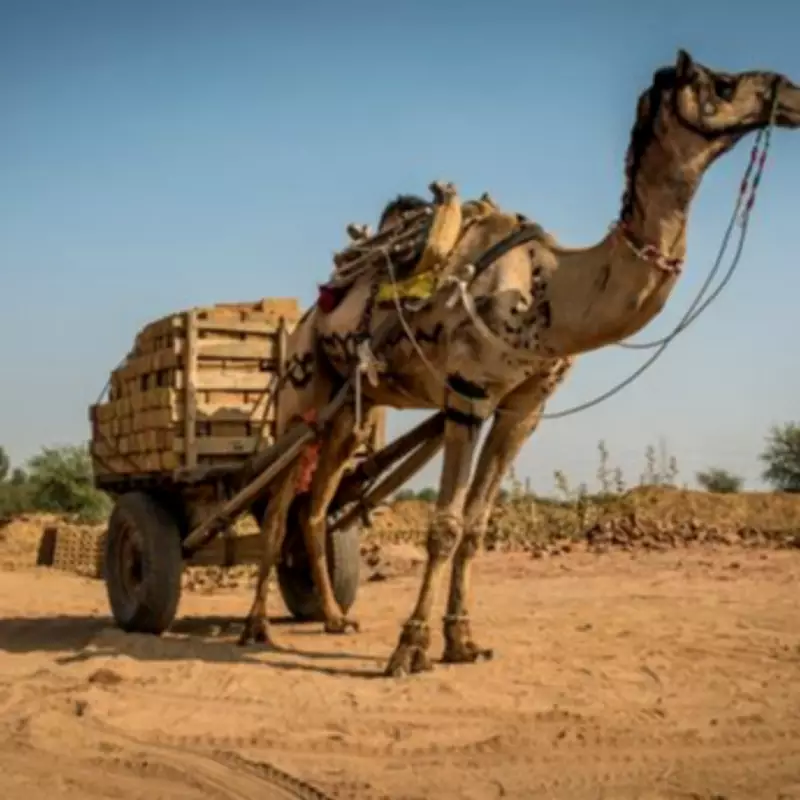
For instance, the poll revealed that 79% of adults were unaware of horses being used to transport children to school, and 77% did not know about donkeys serving as informal ambulances in remote areas. Other surprising roles include camels as a form of transport, dolphins assisting in detecting undersea explosives, and goats helping to clear land to prevent wildfires.

Public Perception and Underestimation
Almost two-thirds (64%) of those surveyed believe that the UK public generally underestimates the extent of work animals still perform for humans. The types of work that most surprised respondents include construction or infrastructure support (31%), detection or sensing tasks (29%), and healthcare or therapeutic assistance (20%).
Linda Edwards, chief executive of Working Animals International, commented on the findings: "The research shows that while many people recognise the importance of working animals, their role in supporting communities around the world is still not widely understood. Working animals such as horses, donkeys, mules, oxen, and camels play a vital role in the lives of millions of people."
Reasons for Animal Preference Over Machines
When asked why animals might be favoured over machinery for certain jobs, 59% of respondents cited their ability to access areas where machines cannot reach. Other reasons include cost-effectiveness (42%) and speed (32%). Additionally, 20% of Brits attribute their lack of awareness to the topic not being widely discussed, while 18% assume such jobs have been replaced by technology.
Calls for Greater Recognition and Welfare
The survey also found strong public support for formal recognition of working animals, with 64% deeming it important to have a global record of their numbers and 46% believing that the level of care they receive is insufficient. In response, Working Animals International is advocating for governments worldwide to include working animals in national censuses to better protect their welfare.
Edwards added: "We are proud to be launching our new brand and name, Working Animals International. It reflects both who we are today and the global scale of our work to improve animal welfare and campaign on their behalf. It is encouraging that the survey shows strong public support for recognising working animals more formally."
Top 10 Working Animal Roles Brits Are Least Aware Of
- Horses being used to take children to school
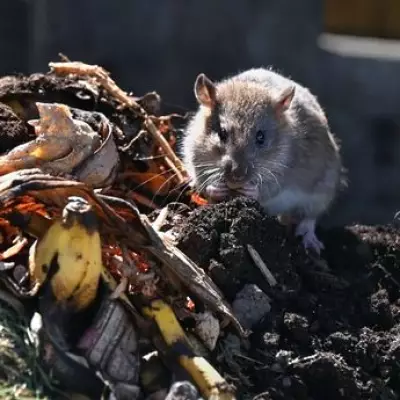
- Rats detecting landmines
- Donkeys being used as informal ambulances to get people to hospital
- Donkeys working on construction sites
- Dolphins detecting undersea explosives
- Goats clearing land to prevent wildfires
- Horses used to remove logs from forests
- Donkeys delivering water where there’s no piped supply
- Goats clearing vegetation and brambles
- Falcons being used to deter other birds at airports
This research underscores the critical yet often overlooked contributions of working animals to global communities, urging greater awareness and action to ensure their welfare and recognition.