Brexit's Heavy Toll on British Farming Exports to the European Union
A comprehensive new analysis by the National Farmers’ Union (NFU) has uncovered a dramatic and sustained decline in sales of British farm products to the European Union following the UK's departure from the bloc. According to data sourced from HM Revenue and Customs, exports have plummeted by nearly 40 per cent overall since Brexit, signalling a profound shift in trade dynamics that continues to unsettle the agricultural sector.
Sharp Declines Across Key Agricultural Sectors
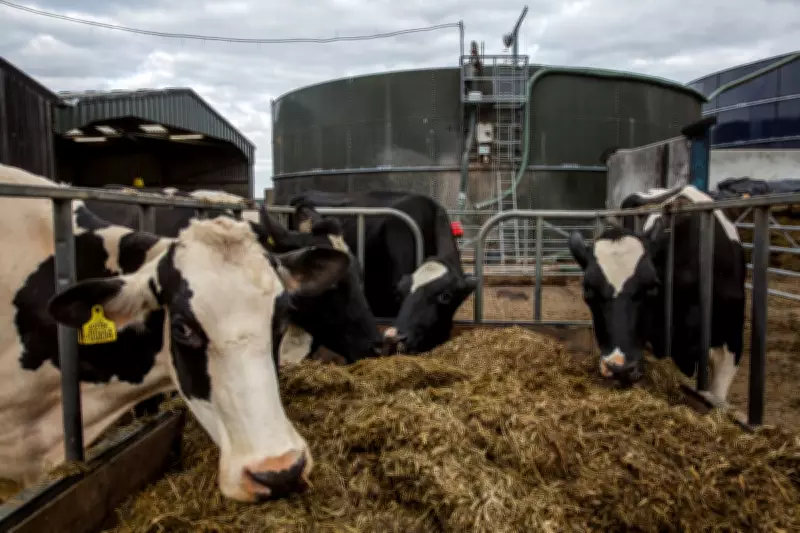
The figures reveal significant drops in multiple vital areas of farming. Poultry exports have been hit hardest, falling by 37.7 per cent, while beef sales have decreased by 23.6 per cent. Lamb exports have declined by 14 per cent, and dairy products have seen a reduction of 15.6 per cent. These statistics highlight the widespread impact of new trade barriers and regulatory changes, which have disrupted long-established supply chains and market access.
NFU President Warns of Long Road to Recovery
NFU president Tom Bradshaw has issued a stark warning, emphasising that merely reducing trade barriers will not swiftly restore the EU market for British products. He stressed that rebuilding consumer demand and trust in British goods across Europe will require considerable time, strategic effort, and sustained investment. This caution comes amid reports of upcoming fortnightly calls between EU and UK officials to discuss farming negotiations ahead of the next leaders’ summit, indicating ongoing efforts to address these challenges.

Government Review Exposes Sectoral Anxiety and Uncertainty
A December government review further compounds concerns, describing the farming sector as "bewildered and frightened" by the post-Brexit landscape. Key issues include uncertainty surrounding agricultural payments and proposed inheritance tax changes, which have added to the financial and operational pressures facing farmers. This sentiment of anxiety underscores the need for clearer policies and support mechanisms to stabilise the industry.
The combination of plummeting exports, regulatory hurdles, and sectoral fear paints a challenging picture for British farming in the wake of Brexit. As negotiations continue, the focus remains on finding sustainable solutions to revive trade and secure the future of this critical part of the UK economy.