Post-Brexit EU Farm Exports Plummet 37%, NFU Warns of Irreversible Damage
Brexit Hits UK Farm Exports: 37% Drop to EU, NFU Reports

British Farm Exports to EU Suffer 37% Decline Post-Brexit, NFU Analysis Reveals

Sales of British farm products to the European Union have experienced a dramatic decline of nearly 40 percent since the United Kingdom's departure from the EU, according to a comprehensive analysis conducted by the National Farmers' Union. The examination of HMRC data highlights substantial reductions in exports across key sectors, including cheddar cheese, lamb, and beef, following the 2020 Brexit implementation.

Significant Sectoral Losses Highlighted in Trade Data

The poultry industry has been particularly hard hit, with exports plummeting by 37.7 percent. This is followed by beef exports, which have decreased by 23.6 percent, while lamb exports have fallen by 14 percent and dairy products by 15.6 percent. These figures underscore the profound impact of new trading arrangements and regulatory barriers on British agricultural producers attempting to maintain their presence in European markets.

NFU President Warns Against Simple Solutions to Complex Problems

Tom Bradshaw, president of the National Farmers' Union, emphasized that while Brexit cannot be solely blamed for the export decline, it has undoubtedly created substantial challenges for farmers over the past five years. He cautioned that merely removing trading barriers would not automatically restore lost market share or reverse the damage inflicted by Brexit-related disruptions.

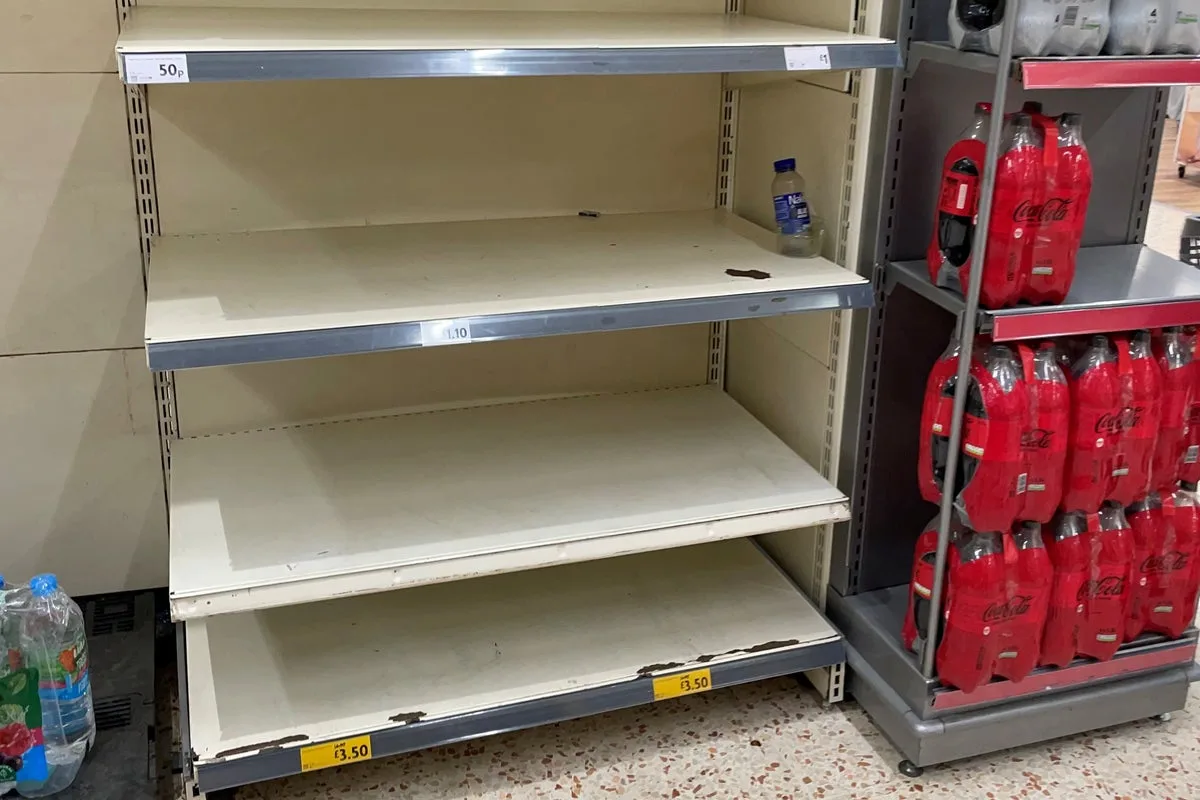
"Simply reducing friction doesn't mean we are going to get the EU market back again," Bradshaw stated. "There aren't empty spaces on the shelves with a label saying 'waiting for British products'. Rebuilding demand will take time, effort and real focus."

Broader Context of Agricultural Uncertainty and Instability

The warning comes amid reports that the EU and UK are preparing for fortnightly discussions regarding farming negotiations ahead of the next leaders' summit. This development follows a December government review that described the farming sector as "bewildered and frightened" after confronting significant challenges post-Brexit, compounded by now-abandoned inheritance tax proposals.

The farm profitability report, authored by former NFU president Baroness Minette Batters, identified multiple sources of ongoing concern for agricultural businesses:

  • Uncertainty surrounding the closure of applications to the sustainable farming incentive scheme
  • Proposed changes to inheritance tax that created significant anxiety
  • Questions about business viability and profitability in the current climate

Baroness Batters, a tenant farmer in Wiltshire and the first female president of the NFU, acknowledged that farming remains a vital component of the UK economy and food system. However, she highlighted the sector's experience of "significant instability" over the past nine years, stemming from multiple factors:

  1. Global market shocks affecting commodity prices and trade flows
  2. Brexit-related disruptions to established supply chains and market access
  3. Rising production costs impacting operational viability
  4. Extreme weather events creating additional agricultural challenges

"Farmers don't want handouts from the state," Baroness Batters emphasized. "They want nothing more than to run thriving, profitable farming businesses, by earning a fair return for what they produce."

The combination of export declines, regulatory uncertainty, and broader economic pressures paints a challenging picture for British agriculture as it navigates the post-Brexit landscape while attempting to maintain competitiveness in European markets.




