The Hidden Danger in Your Garden Bird Feeder
While bird feeders bring vibrant avian visitors to gardens across Britain, a common oversight could transform your peaceful outdoor space into an unwelcome haven for rodents and predators. According to wildlife specialists, improper feeder selection and maintenance frequently leads to infestations that threaten both birds and homeowners.
Why Rats and Squirrels Invade Bird Feeding Stations
Rodents possess remarkable climbing abilities and opportunistic feeding habits that make standard bird feeders vulnerable to invasion. Rats and squirrels cannot distinguish between seeds intended for robins or blue tits and those available for general consumption, rapidly consuming whatever provisions gardeners provide. This problem intensifies during seasons when natural food sources become scarce, driving rodents toward easily accessible feeders.
Beyond rodents, predators including domestic cats and urban foxes frequently follow the scent trails left by concentrated bird activity. These animals may hunt the very birds homeowners hope to attract, creating an unintended cycle of predation that disrupts local ecosystems.

The Critical Design Mistake Most People Make
Wildlife experts emphasize that the most significant error occurs during the purchasing phase, long before feeders ever reach gardens. Many commercially available models feature designs that prove easily accessible to climbing rodents and determined predators. Thomas Hibbert from the Wildlife Trust explains, "If food is really hard to find in your area, you could offer some seeds or suet in a squirrel-proof feeder."
Specialists recommend three specific feeder types for maximum protection:
- Weight-activated feeders that close access ports when heavier animals attempt to feed
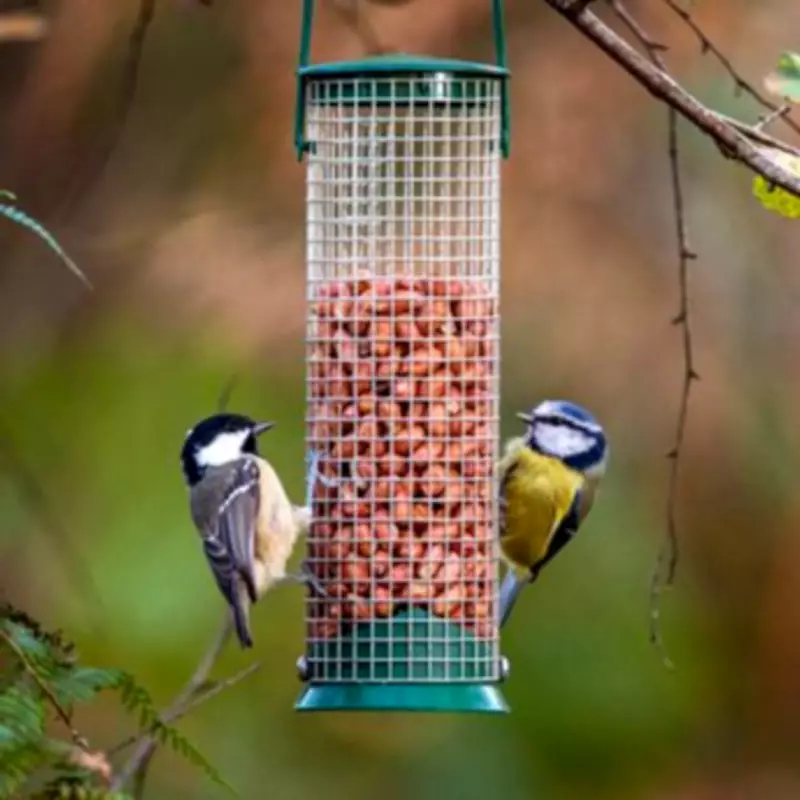
- Caged feeders with protective metal barriers that allow small birds entry while excluding larger pests
- Domed feeders with overhead covers that prevent access from above while allowing birds to feed from below
Affordable Alternatives for Pest Deterrence
For gardeners unwilling to invest in specialized feeders, several cost-effective strategies can significantly reduce pest attraction. Strategic seed selection represents the first line of defense—sunflower and niger seeds provide excellent nutrition for birds while proving unappealing to most squirrel populations.
Natural repellents offer another powerful deterrent when incorporated into feeding mixtures:
- Garlic powder creates unpleasant odors for rodents
- Cayenne pepper irritates mammalian pests without affecting birds
- Peppermint oil produces scents that repel while remaining harmless to avian visitors
"While these smells are unappealing to rodents, birds can't actually taste them," experts confirm. "Sprinkling a little cayenne pepper into your bird feeders, for example, will act as an additional deterrent."
Implementing a Comprehensive Protection Strategy
Successful bird feeding requires ongoing vigilance beyond initial setup. Regular cleaning prevents accumulated seed debris from attracting ground-feeding rodents, while strategic placement—away from fences, trees, and structures that provide climbing access—reduces vulnerability. Monitoring feeding times and quantities ensures minimal leftover food remains available overnight when rodent activity peaks.
By combining appropriate feeder designs with strategic seed selection and natural repellents, gardeners can create welcoming environments for birds while effectively excluding unwanted pests. These measures protect both the intended avian visitors and the broader garden ecosystem from disruption.