Berlin's Potato Flood: Record Harvest Sparks City-Wide Free Spud Giveaway
An exceptional agricultural surplus has transformed Berlin into an unlikely hub for free potatoes, following what farmers are calling the Kartoffel-Flut or potato flood. This remarkable situation stems from the highest potato yield Germany has witnessed in a quarter of a century, creating a glut that has overwhelmed traditional markets and sparked a unique city-wide distribution effort.
From Warehouse to Widespread Distribution
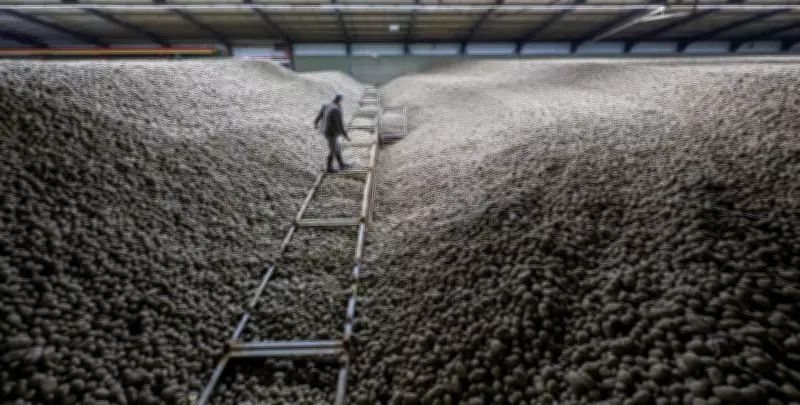
The initiative began when agricultural company Osterland Agrar GmbH found itself with a staggering 4,000-tonne surplus of potatoes stored in a warehouse in Frohburg, near Leipzig, after a last-minute sale fell through. This single surplus inspired the creation of Operation 4000 Tonnes, organised collaboratively by a Berlin newspaper and the eco-friendly search engine Ecosia, based in the capital.
What started as a logistical challenge quickly evolved into a city-wide phenomenon. 174 spontaneous distribution points have been established across Berlin, from Kaulsdorf on the eastern edge to Tempelhofer Feld. Residents, many feeling the pinch from rising living costs, have been arriving with sacks, buckets, and handcarts to collect their share of the bounty.

A Community Response to Surplus
The response has been both practical and spirited. Soup kitchens, homeless shelters, kindergartens, schools, churches, and various non-profit organisations have all participated, ensuring the potatoes reach those in need. Even Berlin Zoo has joined what participants describe as a rescue mission, taking tonnes of potatoes to feed animals, preventing them from going to landfill or being used for biogas production. Notably, two lorry loads have been dispatched to Ukraine as part of the effort.
Astrid Marz, a teacher who queued in Kaulsdorf, initially thought the social media posts about mountains of free Erdäpfel (an affectionate Berlin term for potatoes meaning earth apples) were AI-generated fake news. I stopped counting at 150, she said after filling an old rucksack. I think I've got enough to keep me and my neighbours going until the end of the year.
Reviving the Humble Tuber
This potato phenomenon has injected a party-like atmosphere into Berlin during a period of arctic cold that has hampered travel and iced over pavements. Ronald, who collected potatoes for his family, described people cheerily helping each other with heavy loads and swapping culinary tips. The buzz has given the potato a new lease of life, reviving historical tales of how Frederick II of Prussia's 18th-century Kartoffelbefehl (potato decree) established it as a German staple despite initial public scepticism.
Online, recipes are flourishing as recipients figure out how to use their surplus. From Angela Merkel's shared Kartoffelsuppe (potato soup) recipe, where she insists on using a potato masher for the right texture, to innovative creations from chefs like Berlin's Marco Müller of Rutz restaurant, who makes a rich broth from roasted peelings, the potato is being celebrated anew. Nutrition experts are also highlighting its value, rich in vitamin C and potassium, countering recent trends that sometimes spurn carbohydrates.
Criticism and Wider Implications
Not all reactions have been positive. Some farmers in the region criticise the giveaway, arguing it has further saturated the Berlin market and devalued their crop. More broadly, environmental lobbyists suggest this glut points to a warped and out-of-control food industry, drawing parallels with the notorious butter mountains and milk lakes of the 1970s under European Economic Community policies.
This year's potato surplus follows last year's hop glut, with predictions already suggesting milk could be next. Organisers urge those still keen to participate to monitor their website for final distribution events, as an estimated 3,200 tonnes remain available. The operation stands as a striking example of community mobilisation in the face of agricultural surplus, blending historical tradition with modern logistical challenges.