The government's animal welfare strategy offers substantial improvements for kept animals, but free-living wildlife is sold short, according to readers responding to recent announcements. Alick Simmons, former UK deputy chief veterinary officer, argues that the law protecting wildlife is outdated and ripe for review, as recommended by the Law Society. He questions why four native mustelids receive comprehensive protection while the remaining two have almost none, and notes that the Animal Welfare (Sentience) Act should prompt a review of outdated wildlife legislation.
Simmons criticises the strategy for tinkering at the edges, citing the proposal for a close season for hares. While this may reduce vulnerability for young hares, it ignores species like stoats, weasels, carrion crows, and moles, which enjoy almost no protection, leaving thousands of their offspring to die when parents are killed during breeding season.
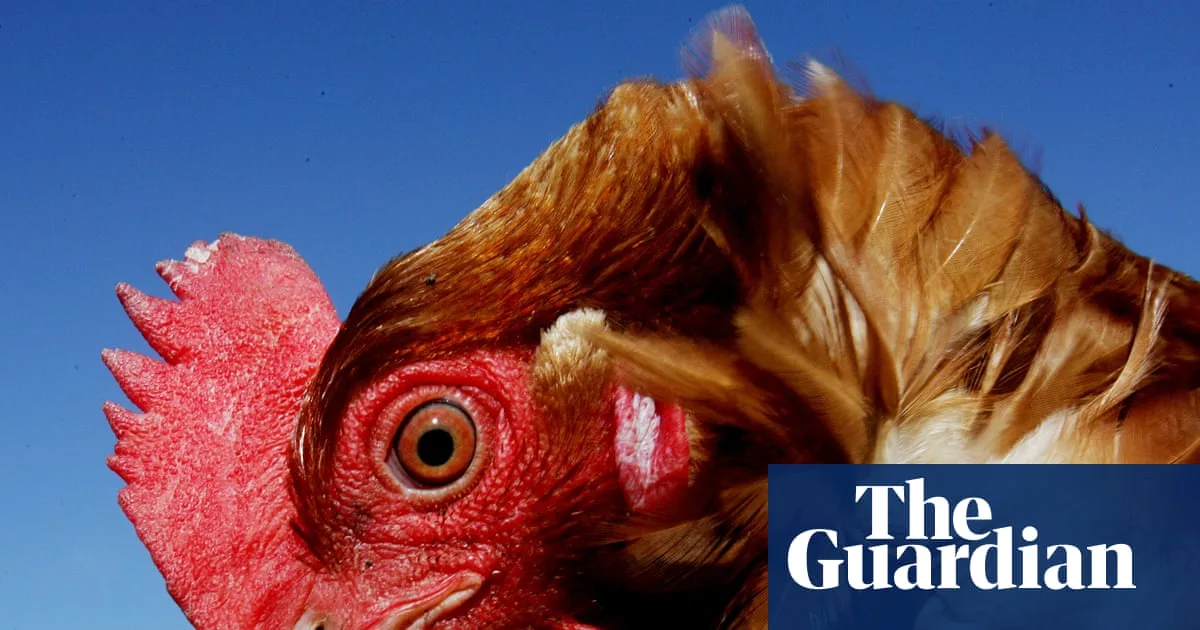
Ruth Tanner, UK country director of World Animal Protection, welcomes the strategy's steps to ban hen cages and pig farrowing crates but argues it must go further to tackle factory farming. She notes millions of animals are confined in abysmal conditions on UK factory farms, and the strategy lacks indications it will halt the expansion of such systems, which threaten climate, environment, and health. She urges the government to prioritise a shift away from factory farming in its upcoming national food strategy and farming vision in 2026.
David Sutton of Salisbury warns that a proposed ban on electric collars for cats could lead to more deaths and injuries. He says such collars are used for containment, preventing cats from straying onto roads, and have kept his cats safe for 20 years without trauma. Banning them, he argues, would be a cruel removal of cats' safety.
Ann Newell of Thame welcomes the legislation, hoping that ending cruelty to animals might reduce cruelty among humans. David Helliwell of Oxford questions what will be done about mussels, given the focus on lobsters.