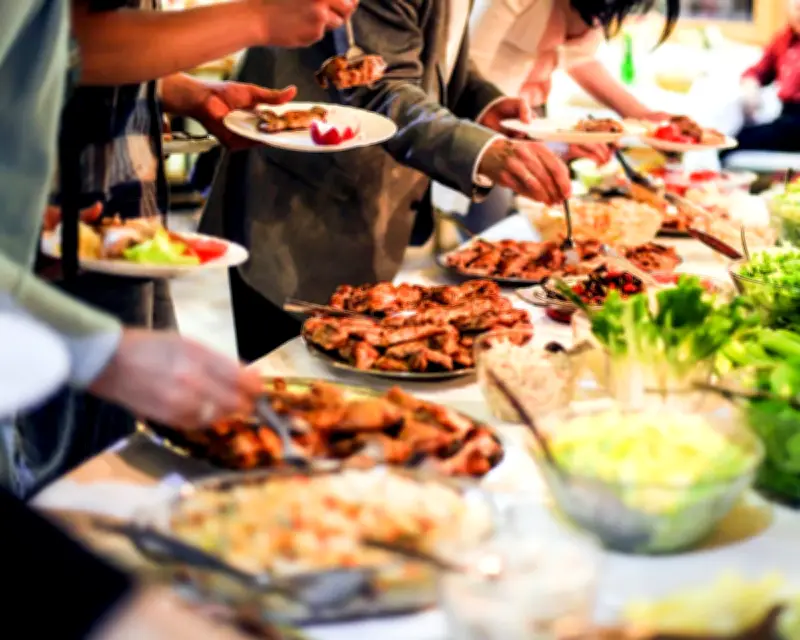
All-inclusive holiday bookings in Europe rose by 30% between 2023 and 2024, with a quarter of British holidaymakers now opting for all-inclusive packages, according to Abta. This trend has revived what Emma Brockes calls the 'buffet olympics' — a competitive sport of maximizing value from bottomless food and drink.
The Rise of All-Inclusive Holidays
Since Covid, British vacation trends have shifted towards formalizing maximalist holiday instincts. Holidaymakers seek fixed costs in a wobbly economy and 'zero decision' breaks. However, Brockes argues the real draw is the 'Challenge of the Buffet': extracting maximum value while preserving dignity and appetite.
History of the Buffet Challenge
Brockes recalls growing up in the 1980s Pizza Hut salad bar era, where diners faced a single, highly pressured visit. Strategies included layering lightweight leaves and shredded cheese at the bottom, building up with croutons and ham cubes, and using bread sticks to prop up the carton lid for extra space. The highest value item was the tinned pineapple ring, balanced on the lid.
Las Vegas Buffets
Historically, the greatest buffets were in Las Vegas, with multiple rooms offering high-end fare. The New York Times reported that numbers dwindled from about 70 in 2019 to half a dozen now. These single-pay, ultra-luxe experiences charged up to $100 for two hours. Brockes visited Caesars Palace and was moved to tears in the cake room.
Euro Buffet Strategy
The Euro model focuses on volume. The New York Times restaurant critic advises avoiding cheap, filling fare like pasta. Brockes adds: when the buffet is dominated by beige foods, target the single luxury item. At a Spanish all-inclusive, she zeroed in on the ibérico-ham station with a dedicated server carving ham onto tiny plates. Despite a salt-induced headache, she deemed it worth it.
Spiking prices, global warming, and food waste may eventually eliminate these options. But Brockes insists she'll never stop talking about the ham, despite her child's plea to stop.