Government Allocates £650,000 for Civil Servant Farm Education Programme
The Government is set to spend £650,000 of taxpayers' money on an initiative to teach civil servants about farming operations through organised field trips to the countryside. The Department for Environment, Food and Rural Affairs (Defra) has officially signed a four-year contract designed specifically to address significant knowledge gaps regarding rural life among its staff members.
Addressing Agricultural Knowledge Deficits in Whitehall
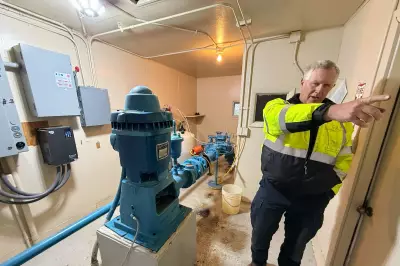
Joe Stanley, head of training at the Game and Wildlife Conservation Trust's Allerton Project which secured the contract, revealed that most Defra employees come from non-farming backgrounds. "Most Defra staff are not from farming backgrounds, yet they have to make important decisions that affect the agricultural industry," Mr Stanley explained. "This contract enables us to share our knowledge and upskill the Defra team, providing a solid foundation to assist in policy and practice."
The training programme combines classroom learning with practical, hands-on farm experience, marking the first visit to a commercial farm for many participating employees. Organisers hope participants will gain clearer understanding of farm operations and the daily challenges farmers face through direct engagement with agricultural professionals.

Political Controversy and Farming Protests
This initiative follows a series of controversial Labour party policies that have sparked significant unrest within the farming community. Chancellor Rachel Reeves' proposed inheritance tax changes targeting farms – eventually modified after sustained protests – highlighted the growing tension between government and agricultural sectors.
Victoria Atkins, shadow defra secretary, criticised the programme as exposing fundamental agricultural knowledge deficiencies within Whitehall. "It will not be a surprise to any farmer to learn that many civil servants, like the current crop of ministers they serve, have no clue about farming or the countryside," she told The Telegraph.
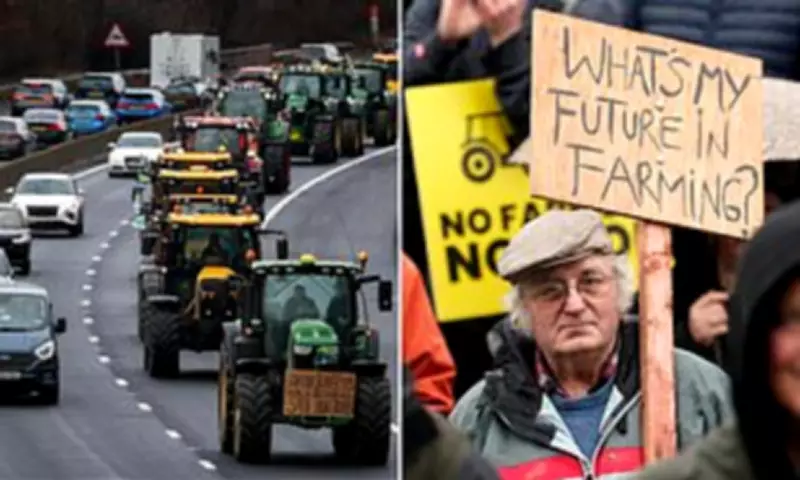
Farmers have organised multiple demonstrations across the United Kingdom, including tractor protests along the Edinburgh city bypass in February 2023, gatherings outside the Senedd in Cardiff in February 2024 regarding farming subsidy changes, and demonstrations on Whitehall in November 2024.
Farmers Express Concerns Over Government Approach
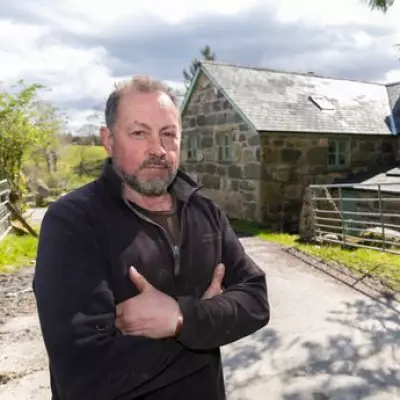
Gareth Wyn Jones, a sheep farmer from Llanfairfechan in Conwy, warned that the government was "doing things backwards" with this approach. "They need farmers advising them," he emphasised, questioning the effectiveness of field trips compared to hiring personnel with actual farming backgrounds.
Ian Lomas, a dairy farmer in Matlock, Derbyshire, expressed similar reservations. "I feel better value for money would be achieved through hiring people from farming backgrounds or at least a percentage of them," Mr Lomas told The Telegraph. "I've always struggled with the idea that ministers can be picked to head departments when they have no prior knowledge of the sector. I feel that this is an issue throughout the Government."
Official Review Reveals Farming Sector Anxiety
In December, an official government review conducted by former National Farmers' Union president Baroness Minette Batters found farmers had been left "bewildered and frightened" by Labour's inheritance tax proposals and changes to other farming payments. Her farm profitability report called for a "new deal for profitable farming" that properly recognises the true cost of food production and environmental delivery.
Baroness Batters warned that some farmers, particularly those growing arable crops, "are questioning viability, let alone profitability." Although her review terms excluded the controversial inheritance tax changes – set to apply to farm businesses worth more than £1 million from April – she noted that tax concerns were raised as the single biggest issue regarding farm viability by almost all respondents.
"The change to IHT is a major issue for the sector and I have great sympathy with their concerns," Baroness Batters wrote. "The farming sector is bewildered and frightened of what might lie ahead."

Multiple Challenges Facing Agricultural Sector
Beyond inheritance tax concerns, the farming industry faces numerous challenges including sharp rises in operational costs, increasingly extreme weather patterns with severe drought conditions, and uncertainty surrounding the closure of applications to the sustainable farming incentive scheme – the main post-Brexit agricultural payments programme.
Mr Stanley defended the training programme, describing the lack of sector-specific expertise as a "fundamental characteristic of the British civil service." He suggested farmers should be "reassured" that government is "looking to provide these skills to its people, rather than pressing on regardless."
A Defra spokesman stated: "We're backing British farmers as part of a new era of partnership to create a productive, profitable and sustainable future for farming. Farmers' experience remains central to our policy decision-making and this programme, delivered by a leading countryside organisation, will help further upskill staff to ensure they have a practical understanding of on-farm realities."