Deadly Explosion at Illegal 'Rat Hole' Coal Mine Claims 27 Lives in India
A devastating explosion has ripped through an illegal coal mine in India's northeastern state of Meghalaya, killing at least 27 miners and leaving several others missing. The blast occurred at approximately 10am local time on Thursday in a so-called 'rat hole' mine located in the remote East Jaintia Hills district.
Rescue Operations Hampered by Remote Location and Equipment Shortages
Local police and rescue teams have been on the scene since the explosion was reported, but their efforts to reach trapped miners have been severely hampered by multiple challenges. District deputy commissioner Manish Kumar confirmed that rescue attempts have been temporarily suspended due to a critical lack of specialised equipment needed for such operations.
The mine's extremely remote location presents significant logistical difficulties, with Mr Kumar explaining that state and federal rescue workers would require several hours of off-road driving just to reach the site before they could even begin proper search and rescue operations. This geographical isolation has dramatically slowed response times and complicated coordination between different agencies.
Government Response and Investigation Launched
Meghalaya's chief minister Conrad Sangma has announced that the state government has ordered a comprehensive inquiry into the tragic incident. In a statement posted on social media platform X, Mr Sangma declared that 'accountability will be fixed, and those responsible will face strict legal action' following the investigation's findings.
Prime Minister Narendra Modi has announced financial assistance packages for the victims' families, with each bereaved family to receive Rs200,000 (approximately £1,636) and injured survivors to receive Rs50,000 (around £405). Preliminary reports from local residents suggest that most of the deceased miners were from the neighbouring state of Assam, prompting Assam chief minister Himanta Biswa Sarma to pledge support for affected families if this is confirmed.
The Dangerous Reality of 'Rat Hole' Mining
The explosion, which police suspect was caused by dynamite used in the mining operations, occurred in what is known as a 'rat hole' mine - a particularly hazardous form of coal extraction that was officially banned across India in 2014 due to numerous fatalities and significant environmental damage.
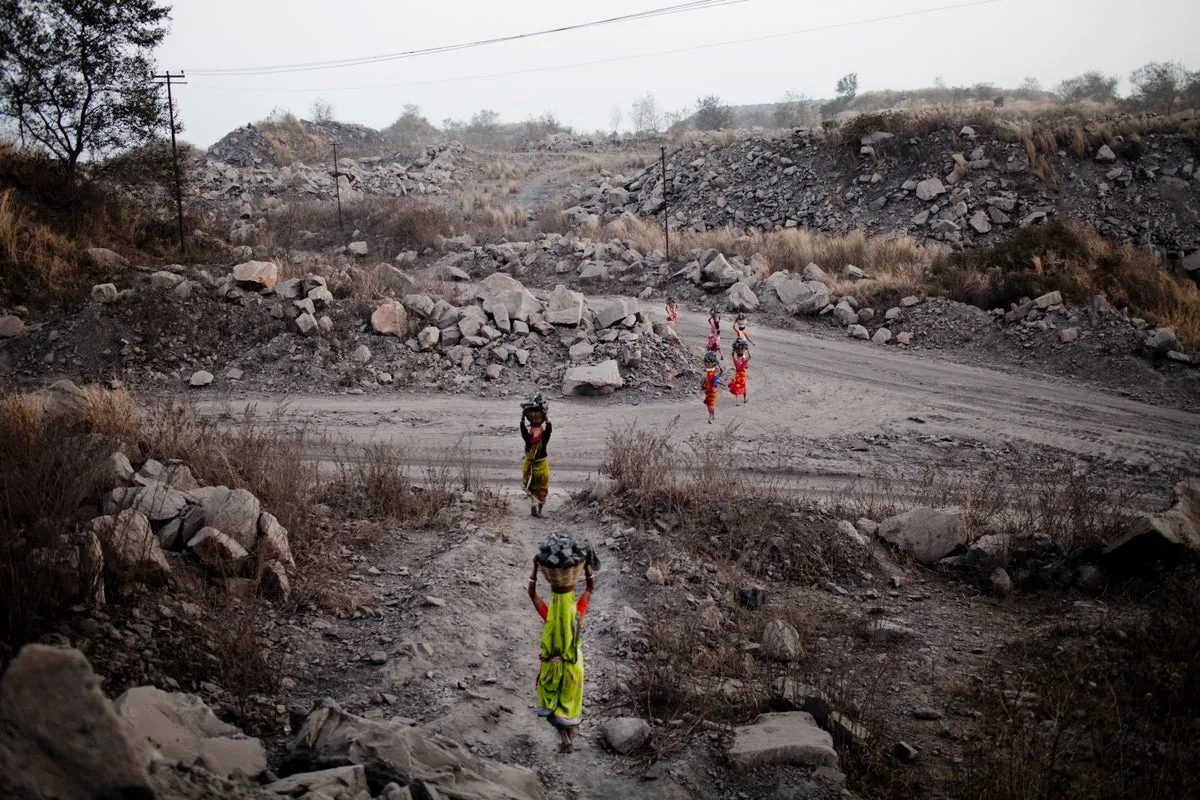
These mines consist of narrow vertical pits, often just wide enough for a single person to descend, with miners working in extremely confined, hand-dug tunnels resembling rodent burrows. The coal is typically extracted by being placed in boxes that are hoisted to the surface using basic pulley systems, or sometimes carried up in baskets by miners climbing wooden slats lining the mine walls.
Despite the nationwide ban, illegal rat hole mining continues in India's eastern and northeastern regions, where workers operate in perilous conditions with minimal safety measures. According to federal government estimates, at least 63 people have died in illegal rat hole mining operations in Assam and Meghalaya since 2012 alone, including 15 miners killed in a similar Meghalaya incident in 2018.
Ironically, this dangerous mining technique proved instrumental in the successful 2023 rescue of 41 workers trapped in a collapsed Himalayan tunnel, demonstrating both its utility in extreme circumstances and the specialised skills of rat hole miners who work in these treacherous conditions.