On a crisp January day in 1951, a Guardian journalist's inaugural countryside column captured a remarkable scene of animal resilience high in the Yorkshire Dales. The entry, which would mark the beginning of a 53-year writing legacy, documented how a flock of hardy sheep weathered a bitter snowstorm using nothing but their own instincts.
A First Glimpse from the Slopes
On 8 January 1951, the writer Harry Griffin found himself skiing down the lower slopes near Sedbergh in Westmorland, now part of Cumbria. After coming to a stop by a familiar dry-stone wall, he peered over to check on a farmer's flock. What he witnessed was not a scene of distress, but one of ingenious adaptation.
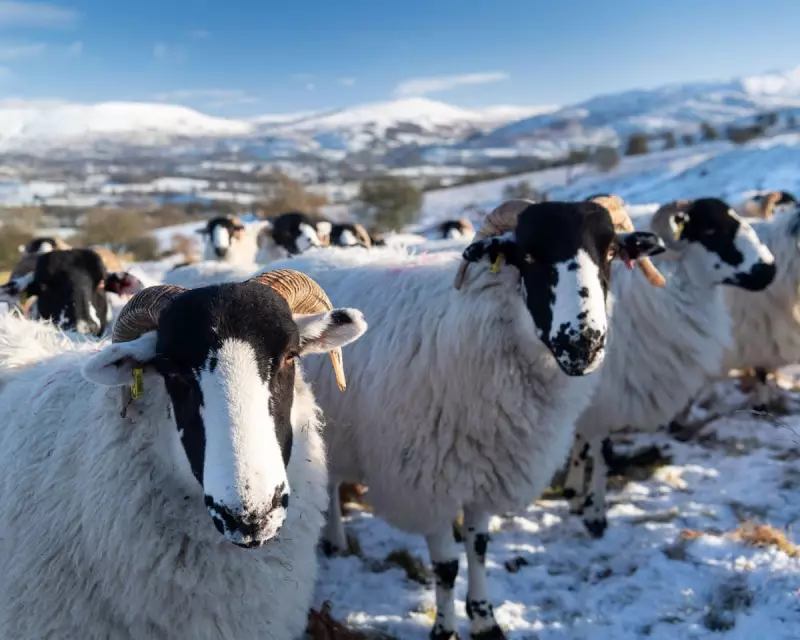
Against the vast white expanse, about a dozen black-faced Rough Fell ewes stood motionless, resembling dark boulders. These were the robust mountain sheep native to the area, known for their hardiness. On closer inspection, their stillness was explained: each ewe was calmly grazing on small patches of grass at the bottom of a personal snow cave.

Nature's Engineers: The Snow Hole Shelters
The field told the story of their activity. A network of tiny hoof-prints crisscrossed the snow "like railway lines at a busy junction." Each set of tracks led in a perfectly straight line to a small, self-dug cave in the snowdrift. These were not random scrapes, but deliberate excavations.
These snow holes served as vital shelters for the pregnant ewes. Griffin noted that even if more snow fell and "overblown" the entrances, the interior would remain a warm and cosy refuge for the night. He assured readers that the expectant mothers, under the watchful eye of the farmer, John, would take no harm from the harsh conditions.
The Legacy of a Country Diarist
This poignant observation of rural life was Harry Griffin's very first Country Diary entry for The Guardian. He would go on to contribute his column from the Lake District every other Monday for an astonishing 53 years. His final piece was published on 12 July 2004, cementing his status as one of the publication's most enduring and beloved voices on the British countryside.
The diary stands as a timeless testament to the resilience of both the landscape and its inhabitants. It highlights the unbroken bond between the Cumbrian farmer, his flock, and the challenging yet beautiful environment of the Yorkshire Dales and Lake District.