
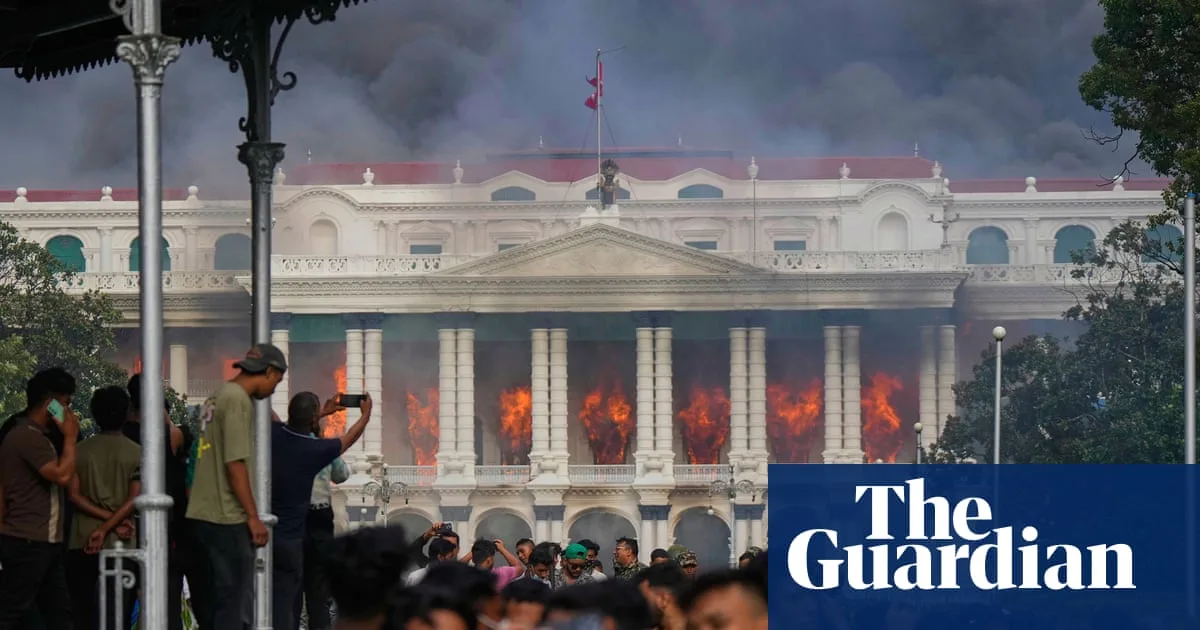
Nepal has become the latest South Asian nation to see a youth-led uprising topple entrenched political elites, following similar movements in Sri Lanka and Bangladesh. The protests, driven by young people calling themselves Gen Z, forced the dissolution of parliament and the resignation of Prime Minister KP Sharma Oli, who remains in hiding. Former chief justice Sushila Karki has been sworn in as Nepal's first female prime minister, leading an interim government until elections in March.
The movement was sparked by widespread anger over corruption, nepotism, and economic hardship. Online campaigns using hashtags like #NepoBaby and #NepoKids highlighted the lavish lifestyles of politicians' children, contrasting with the struggles of most young Nepalis facing inflation, unemployment, and exploitative labour abroad. Tanuja Pandey, 26, a protest leader, said the generation was 'bearing the cost' of elite wealth accumulation.
Nepal's median age is 25, and the country has had 14 prime ministers in 16 years. The protests drew inspiration from similar movements in Sri Lanka, where Gotabaya Rajapaksa fled in 2022, and Bangladesh, where Sheikh Hasina left last year. Student-led protests in Indonesia also served as a model. Ashish Pradhan of the Crisis Group noted online chatter comparing Nepal's situation to these precedents.
While some see Nepal's political shake-up as a break from corrupt elite rule, others worry about the unknown consequences for a country that became a democratic republic only in 2006. Karki has promised 'an end of corruption, good governance and economic equality' in her first address to the nation.




