
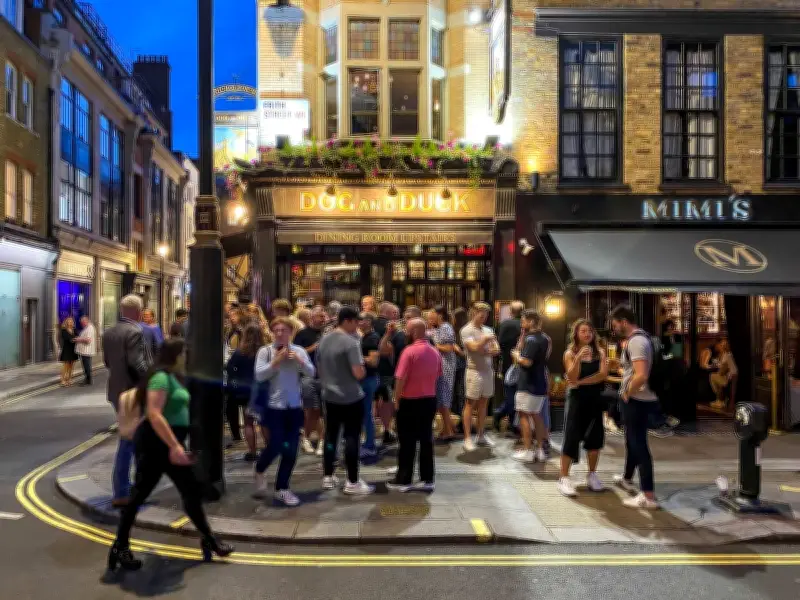
Katie Glass, a lifelong Soho enthusiast, argues that the area's unique character of noise, sleaze, and vibrancy is being threatened by the Soho Society, a residents' group that has vowed to veto every new venue licence application, including renewals and extensions. Glass describes Soho's constant hum and thrum as the best thing about living there, a sound she has cherished since childhood. She criticises the society for trying to silence the nightlife that defines Soho, comparing their efforts to a death rattle.
The Soho Society's Campaign
At their last AGM, the Soho Society pledged to block all new licence applications, aiming to make Soho a better place to live, work, and visit. However, shopkeepers and clubbers oppose this, fearing it will destroy the area's economy and social life. Mayor Sadiq Khan commented on X, stating that complaining about nightlife when you choose to live in Soho is like living in South Kensington and complaining about the museums. Glass echoes this sentiment, calling it madness to move to an area and then attack its very character.
The Sounds of Soho
Glass reminisces about the diverse sounds of Soho, from beeping binmen and delivery drivers to the buzz of office workers, tourists, and bar staff. She recalls the cacophony of late lunchers, early-evening diners, and the screams of joy and anger from clubbers. She notes that the Soho Society hopes to curtail clubs' operating hours and object to any venue opening after 11pm, but she believes Soho's circadian rhythm is not easily interrupted. Even after moving to the countryside, Glass found it hard to adjust to the silence and now longs to hear Soho's white noise again.
A History of Sleaze and Freedom
Glass highlights Soho's proud history of sleaze, which has been a hallmark since the 16th century. She recalls the 1990s when Soho was so rough that takeaway deliveries were impossible, and Carnaby Street was full of bootleg Nirvana T-shirt shops. Today, Soho is gentrified, with TikTok hot-chocolate spots and bubble-tea joints, but Glass wishes it were grottier. She argues that sex shops, strip clubs, and peep shows were not just symbols of sleaze but signposts for freedom, marking Soho as a liminal, non-judgmental space for queer life and sexual expressiveness. For Glass, Soho was the first place she went gay clubbing and has been the scene of countless memorable moments.
The Economic and Cultural Impact
Glass contends that silencing Soho is not even good capitalism, as the city needs the money from a night-time economy. She laments the potential loss of Soho's hedonism, which has been synonymous with louche members' clubs and legendary drinkers like Francis Bacon and Lucian Freud. She asks whether what remains of this spirit must be sacrificed at the altar of house prices. The worst outcome, she says, would be a silent Soho, which would be truly disquieting.




