Barbara Bergin's new play 'Dublin Gothic' at the Abbey Theatre presents what the writer calls a 'losers' history' of the city, tracing the lives of four families over a century. The action begins in an inner-city tenement in 1880, where street names like Tosser's Pot and Kiphouse Row reflect the harsh realities of poverty, disease and violence.
Covering 100 years, the narrative weaves through key historical events including strikes in the slums, the 1916 Easter Rising, the early years of independence and the HIV-Aids crisis of the 1980s. At its heart is the spirited Honor Gately, a sex worker determined to defy her circumstances, played by Sarah Morris, who also portrays her great-granddaughter breaking old patterns by writing a novel.
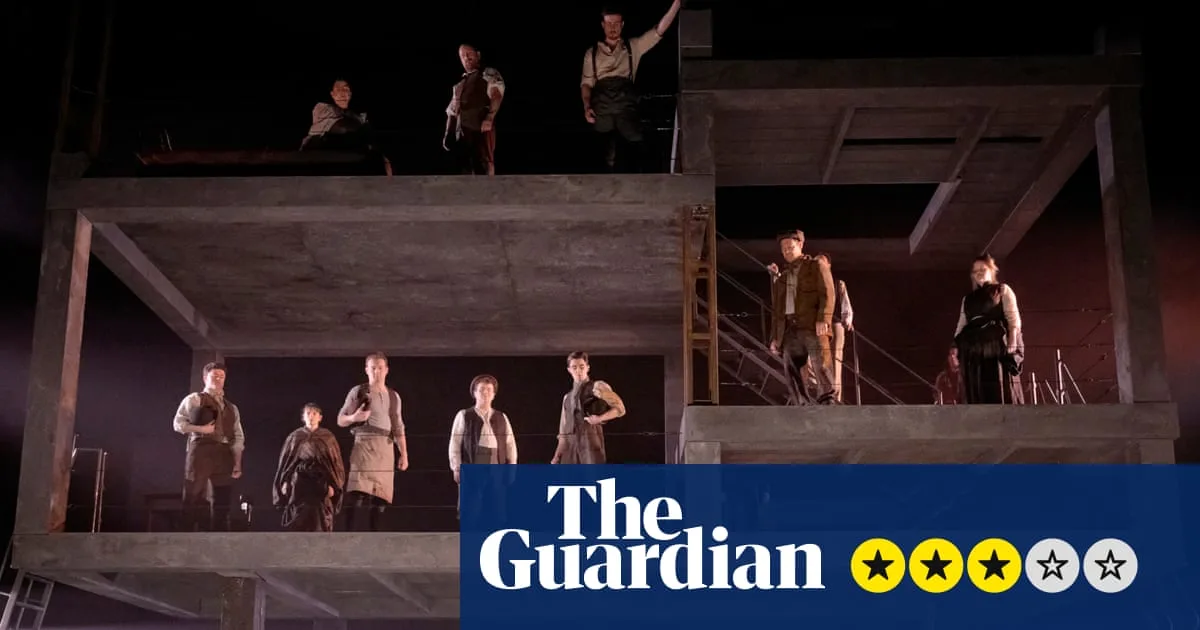
The production features a dynamic ensemble of 19 actors who portray over 120 characters across three and a half hours. Among them are emblematic versions of historical figures such as James Joyce, Pádraig Pearse and Brendan Behan, as well as a Bob Geldof-like singer. The cast also includes Thommas Kane Byrne as Honor's 'blubberpus' son, who brings comic relief as an accidental patriot.
Directed by Caroline Byrne, the play uses Jamie Vartan's towering cross-section set to represent the tenement building. However, critics note that the extensive narrative often overwhelms the staging, leaving limited room for deeper insights despite the ambitious scale and energetic performances.