The Unsung Mentor Behind Theatre's Biggest Stars
A recent interview with Sir Anthony Hopkins has sparked a vital conversation about the influential figures who shaped the careers of Britain's acting elite. While names like Laurence Olivier are often celebrated, the profound impact of director David Scase has, until now, been largely overlooked.
Launching Pad in Manchester
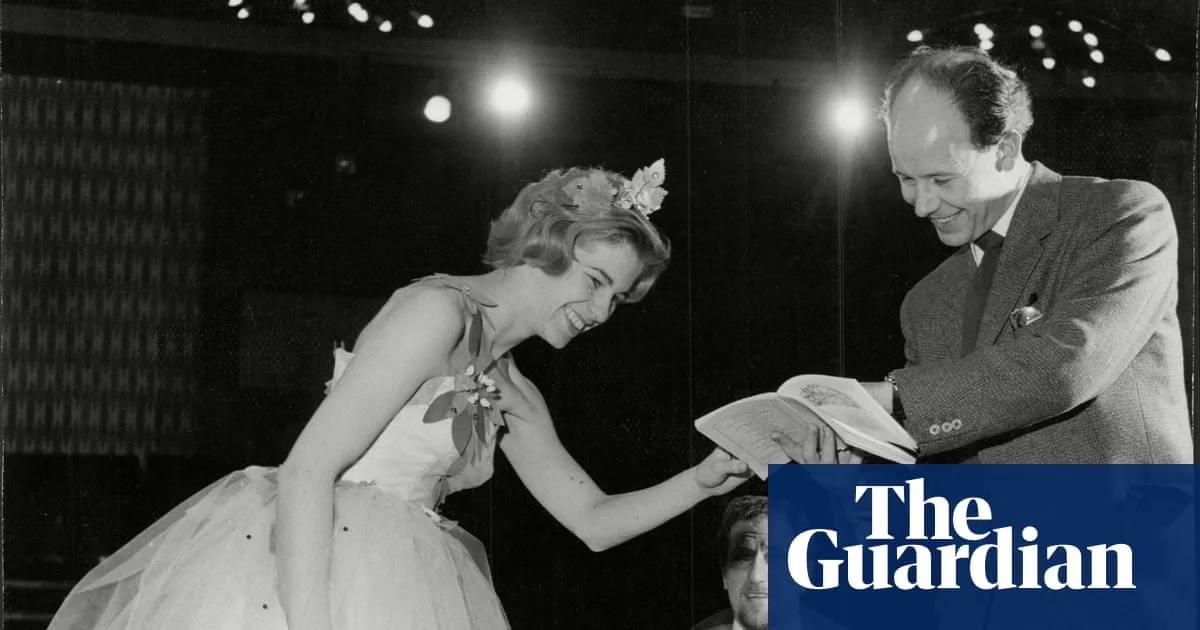
It was David Scase who provided Anthony Hopkins with his first major professional engagement. This pivotal moment occurred at the Library Theatre in Manchester in 1960, where Scase was directing productions. A captivating photograph from the time shows Scase at the centre of rehearsals, flanked by actors Patricia Regan, Valerie Sarruf, and David Mahlowe.
When Scase moved his talents to the Liverpool Playhouse in 1963, Hopkins followed him, a testament to the trusted creative relationship they had built. This move would prove to be a catalyst for one of the most remarkable ensembles in regional theatre history.
Forging a Generation of Talent
As Colin Lovelace, the former house manager of the Playhouse, recalls, Scase possessed a unique gift for spotting and nurturing raw talent. At the Liverpool Playhouse, he assembled an outstanding young company that reads like a who's who of British acting.
This extraordinary roster included, alongside Hopkins, the future Star Trek icon Patrick Stewart, acclaimed actress Sara Kestelman, and renowned performers Marjorie Yates, Warren Clarke, Philip Hedley, and Peter Needham.
Scase didn't just cast these actors; he actively nurtured their developing skills, providing a rigorous and supportive environment in which they could hone their craft before ascending to national and international fame.
A Legacy Worth Remembering
Despite his central role in launching the careers of so many distinguished actors, David Scase's contribution to the British theatrical landscape has not received the widespread recognition it deserves. He operated as a crucial behind-the-scenes architect, building the foundations upon which these stars constructed their legendary careers.
This call for recognition, voiced by Lovelace, serves as an important reminder that the history of theatre is not only written by its leading performers but also by its visionary directors and mentors. The legacy of David Scase is indelibly etched into the successes of Hopkins, Stewart, and their peers, a foundational influence on British theatre that finally deserves its place in the spotlight.