Zulu Dawn Review: A Fine Ensemble Cast Showcases Arrogance Leading to British Imperial Disaster
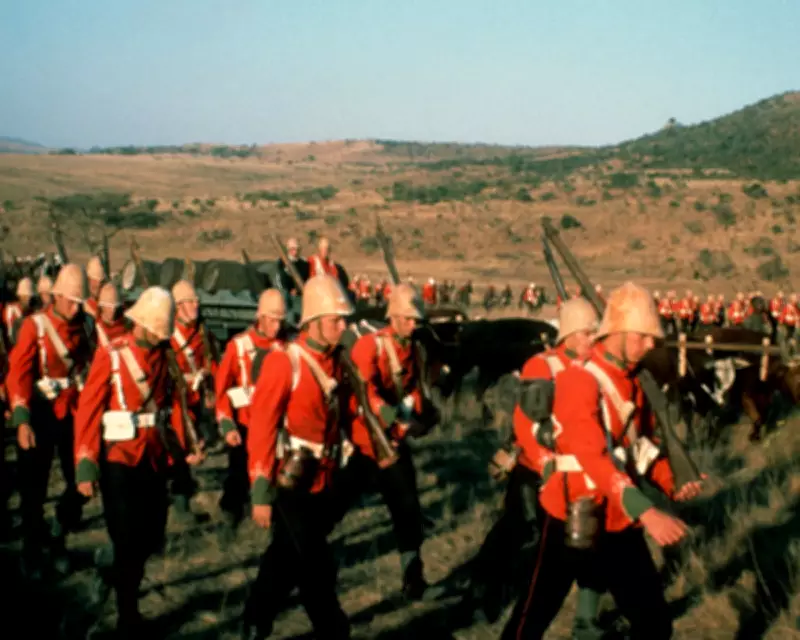
The 1979 film Zulu Dawn serves as the stolid prequel to the massively successful 1964 epic Zulu, which vividly depicted the Battle of Rorke's Drift with standout performances from Stanley Baker and Michael Caine. This earlier installment focuses on the disastrous rout that preceded it: the Battle of Isandlwana, where British forces faced a catastrophic defeat by the Zulu army. While the combat scenes are impressively staged, the film often feels like an extended second-unit sequence, lacking the internal drama and light-and-shade that made its predecessor so potent.
An Ensemble Cast of Star Power
Zulu Dawn boasts a starry ensemble cast that brings a great deal of shrewd scene-setting to the screen. Peter O'Toole delivers a haughty performance as Lt Gen Lord Chelmsford, embodying the arrogance of the British officer class. Burt Lancaster portrays the experienced and disillusioned Col Durnford, while Denholm Elliott, with his characteristic grimace of suppressed fear, plays Col Pulleine. Nigel Davenport appears as the honourable Col Hamilton-Brown, who refuses to dine at Chelmsford's lavish table until his men are fed, and Simon Ward takes on the role of the stylish adventurer Lt Vereker, who ultimately saves the British colours from capture. John Mills rounds out the cast as colonial administrator Sir Henry Bartle Frere. On the Zulu side, South African actor Simon Sabela, who had been a footsoldier in the original Zulu, plays King Cetshwayo.
Arrogance and Provocation
The film opens with a compelling scene at a garrison garden party, where simpering ladies and moustachioed officers remain utterly unconcerned about their leaders provoking a needless war with the Zulus to expand territory and annihilate a perceived threat. One character chillingly remarks, "This will be the final solution to the Zulu problem," highlighting the colonial mindset. Anna Calder-Marshall adds poignancy as a bishop's daughter for whom Durnford harbours a gallant tendresse, offering a brief human touch amidst the military machinations.

Capable but Unfulfilling Execution
After this strong start, Zulu Dawn grinds capably and watchably into action, yet it often leaves viewers waiting for specific, crucial drama to unfold. The film fails to deliver deep character revelations or foregrounded conflicts among the top-ranking individuals. Instead, it depicts the British defeat at Isandlwana as a result of being overwhelmed by sheer Zulu numbers, despite superior firepower from modern weapons, with ammunition proving finite. As one panicky soldier aptly notes, "Bullets run out – and those spears don't." This historical accuracy, however, doesn't fully compensate for the lack of narrative tension.
Reception and Legacy
Upon its release, Zulu Dawn was met with little more than a shrug from critics and audiences alike. It did, however, inspire a bizarre urban myth about a scene showing a British soldier gruesomely killed with three spears to the neck, one after the other, supposedly greeted in cinemas with facetious shouts of "One hundred and eighty!" – a reference to darts scoring. Sadly, no such scene exists in the film. Despite its flaws, the movie remains a watchable, if unspectacular, exploration of colonial hubris and military folly.
In the contest between interest and boredom, Zulu Dawn ultimately results in a draw. It offers a fine ensemble cast and impressive battle sequences but falls short of the dramatic potency that defined Zulu. The film is set for a re-release in UK cinemas from 13 March, providing a new opportunity for audiences to revisit this chapter of cinematic and historical storytelling.