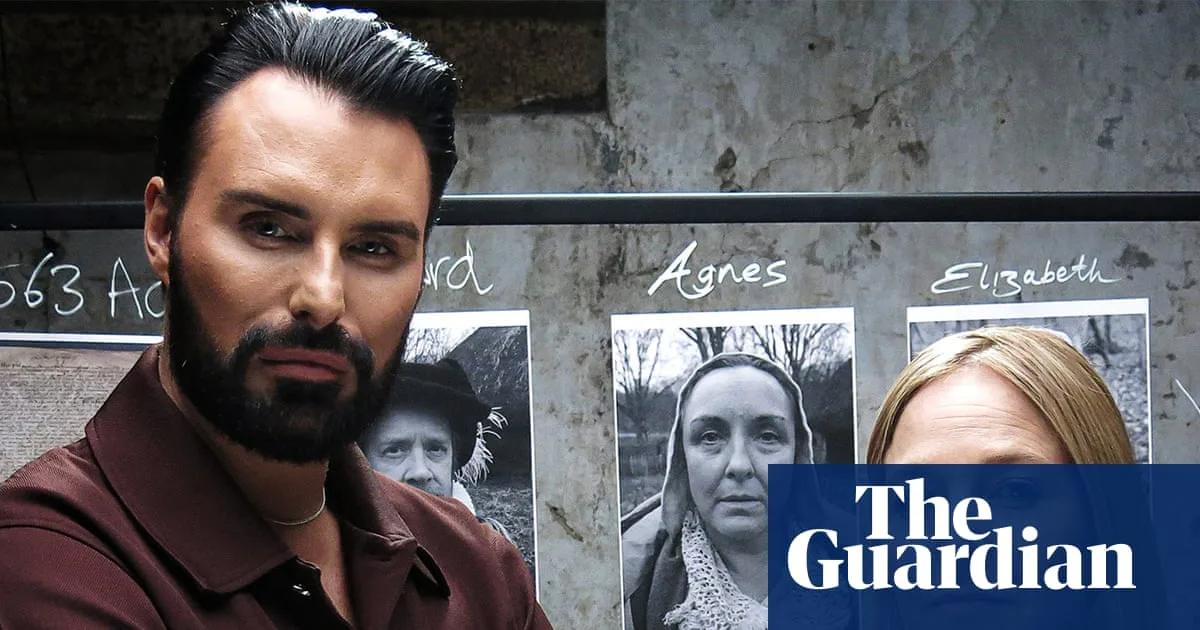
Sky History's new three-part documentary, 'Witches of Essex', sees unlikely duo Rylan and Professor Alice Roberts investigate the 16th- and 17th-century Essex witch trials, which saw hundreds of people, mostly women, accused of witchcraft. The show balances light entertainment with the gravity of state-sponsored femicide, using original court documents and expert analysis to reopen 'cold cases' from over 400 years ago.
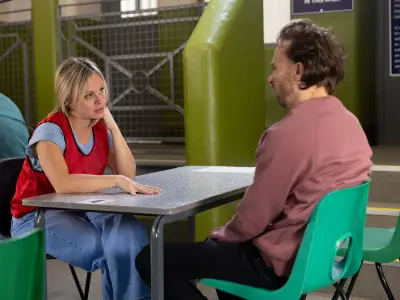
Each episode focuses on a specific trial, with Rylan and Alice working in a budget 'incident room' featuring mugshots and a whiteboard. Dramatic re-enactments with panto-esque accents and hats bring the stories to life, while the presenters maintain a respectful tone. Rylan's humour surfaces in quips about his Chelmsford nights out, but the series never loses sight of the real women who were killed for being widows or falling out with neighbours.
The duo's chemistry is engaging, balancing investigation and entertainment. A tour of Chelmsford courthouse, where women were tried alongside a market, prompts Rylan to joke about cows mooing during death penalty trials. The show aims to make an under-discussed, shameful period accessible to modern audiences, with an LSE lecturer even describing the first witch-on-broomstick depiction as a phallic symbol of going 'off to shag the devil'.

While 'Witches of Essex' is slight and introductory, its strength lies in its accessibility. The ongoing theme of ambitious politicians using fear to control the populace feels painfully relevant. When actors re-enact a woman's hanging and Rylan places a photo of her corpse on the board, the show becomes unfailingly moving. Rylan as the nation's history teacher? As long as he starts with Windrush.