The Argument for Single-Season Television in Today's Streaming Era
Almost two months after its finale aired, fans remain deeply dissatisfied with the conclusion of Stranger Things. The disappointment has been so profound that cast members are still denying rumours of a secret final episode. However, one perspective suggests the show ended perfectly much earlier—after season one, episode eight. This raises a provocative question: should most recent television series be limited to just one season?
The Perfect Arc Compromised by Commercial Demands
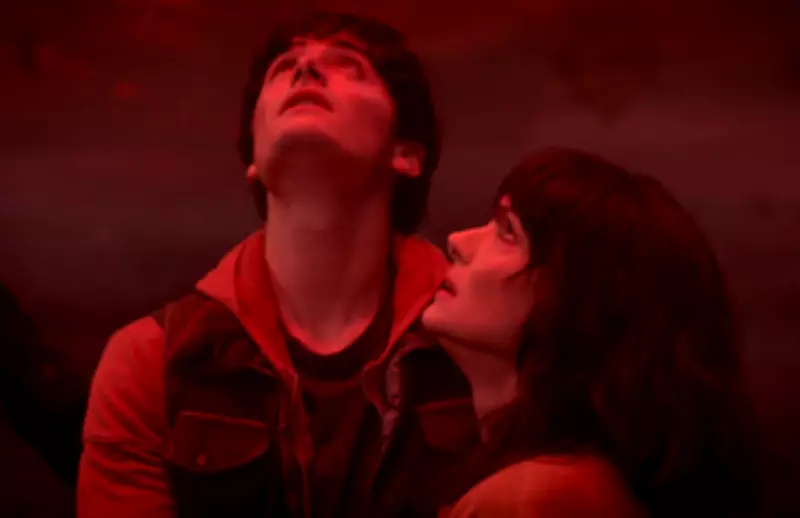
Stranger Things originally presented a flawless eight-episode narrative: a young boy vanishes into a terrifying parallel dimension, and his mother, portrayed by Winona Ryder, battles desperately to rescue him. The Duffer Brothers initially conceived the series as an anthology with different characters each season, but Netflix rejected this approach. The streaming giant recognised that familiar faces are essential for building franchises and merchandise sales, such as customisable terrariums priced at two for £30.
Consequently, what began as groundbreaking television became stretched beyond recognition, losing its original spark. By the final seasons, even Ryder's character reportedly had little meaningful to do. This pattern extends beyond Hawkins, Indiana, to numerous other shows that might have benefited from a single, self-contained season.

A Growing List of One-Season Candidates
Several recent series arguably should have concluded after their initial outing. Killing Eve serves as a prime example—its first season finale earned an impressive 8.3 rating from IMDb users, while the series conclusion three seasons later plummeted to just 3.4. Other candidates include Industry, Bad Sisters, Am I Being Unreasonable?, Your Friends and Neighbors, and Nobody Wants This. Even the creator of Bad Sisters, Sharon Horgan, described its first season finale as a "lovely, satisfying end" before the show unexpectedly returned for a second season.
The Media Ecosystem Driving This Trend
The current television landscape is characterised by uncertainty—commissions are being cut, budgets slashed, and risks avoided. With unprecedented competition, showrunners often have no guarantee of renewal. This environment encourages creators to bring their best ideas forward immediately, resulting in tight, original, and self-contained first seasons.
Christopher C Rogers, co-creator of the tech drama Halt and Catch Fire, acknowledged this dynamic in 2017: "I think uncertainty reinforced a hold-nothing-back mindset in the storytelling that got us to our best work quickly." He added that when storytellers hold back or attempt to prolong narratives, audiences can detect the strain.
The Franchise Mentality and Diminishing Returns
As budgets increase, another factor contributes to declining quality: the industry's obsession with intellectual property (IP). Breaking Bad creator Vince Gilligan noted last year that "the safest thing to do is reboot something that has an audience." Similarly, David Simon, creator of The Wire, has expressed frustration that he "can't get anything made now" because he refuses to write franchise material.
This IP-driven approach means successful shows are rarely allowed to conclude naturally. Instead, they are extended for maximum profitability, regardless of narrative integrity. Stranger Things exemplifies this trend, expanding beyond television into a Broadway play, novel series, and upcoming animated spinoff.
Exceptions and the Value of Strong Opinions
Not every series fits this pattern—classics like The Simpsons, Mad Men, and Buffy the Vampire Slayer demonstrated that multiple seasons can work when storytelling remains strong. Even recent successes like Succession maintained quality across four seasons, though this might be the exception that proves the rule.

Ultimately, in an era where television often prioritises commerce over creativity, the argument for single-season series grows stronger. As one critic boldly asserts: almost all recent TV shows should have been one season long. And if you disagree with this opinion, take comfort—you only have to endure it once, without any unnecessary sequels.