Nicola Coughlan Takes Leading Role in Channel 4's Manosphere Drama
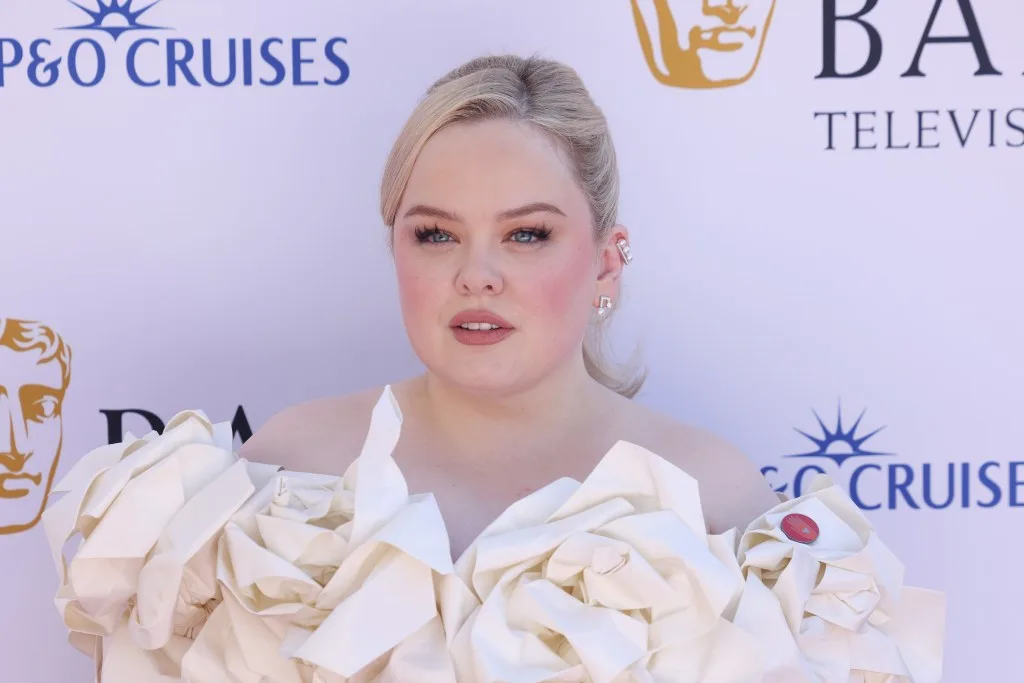
Bridgerton star Nicola Coughlan has been confirmed to headline a new Channel 4 drama that will explore the controversial online manosphere from a woman's perspective. The 39-year-old actress, best known for her roles in Derry Girls and the Netflix period drama, will play the central character Helen in I Am Helen, the latest installment of Channel 4's acclaimed anthology series.
Exploring Toxic Masculinity Through Female Lens
The two-part drama will examine how toxic masculinity culture, fueled by harmful online content, can profoundly impact personal relationships. According to production details, the series will specifically focus on how these dynamics affect Nicola's character Helen, providing a crucial female perspective on a phenomenon typically dominated by male voices.
Nicola Coughlan follows in the footsteps of previous I Am series stars including Oscar-winner Kate Winslet and Line of Duty's Vicky McClure. The anthology has established itself as a platform for exploring complex social issues through intimate character studies, with previous installments tackling themes ranging from social media addiction to coercive control in relationships.
Supporting Cast and Production Details
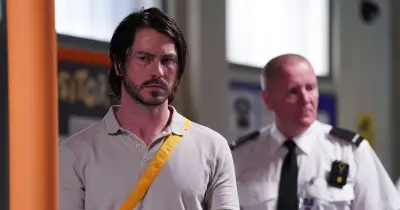
Joining Coughlan on screen will be Peaky Blinders star Joe Cole, who will portray a love interest who becomes increasingly drawn into manosphere ideologies. The casting represents a significant step for Cole, known primarily for his gritty dramatic roles, as he takes on a character exploring contemporary relationship dynamics.
While no premiere date has been announced, the project was first hinted at by Coughlan last year, with the actress expressing her honor at taking on the challenging role. The production comes at a time of increased cultural examination of manosphere content and its influence on young men's attitudes toward women and relationships.
Context of Manosphere Media Exploration
The Channel 4 drama enters a landscape already populated by several high-profile examinations of manosphere culture. Netflix's hit drama Adolescence, starring Stephen Graham, has drawn significant attention for its portrayal of online radicalization, while documentarian Louis Theroux recently released Inside The Manosphere on the streaming platform.
Theroux's documentary, which has sparked considerable controversy, features interviews with prominent manosphere influencers including Amrou Fadl (known online as Myron Gaines) and Harrison (HStikkytokky). The documentary has faced criticism from some subjects who claim their views were misrepresented through selective editing.
Controversy Surrounding Manosphere Documentaries
In recent weeks, influencer Amrou Fadl has publicly criticized Theroux's documentary, accusing Netflix of creating "woke garbage" that deliberately makes controversial figures "look crazy" by removing context from their statements. Fadl, whose "Fit and Fresh" podcast has hosted controversial figures including Andrew Tate, claims the documentary misrepresents his views on relationships and masculinity.
The controversy highlights the challenges of documenting extremist online movements while maintaining journalistic integrity. Theroux has defended his approach, noting the importance of examining how these influencers are "making inroads into the culture" and affecting young men's development.
Broader Cultural Significance
The emergence of multiple high-profile projects examining manosphere culture reflects growing concern about online radicalization and its real-world consequences. From Channel 4's dramatic exploration to Netflix's documentary investigations, media creators are increasingly focusing on how digital spaces shape attitudes toward gender, relationships, and masculinity.
For Nicola Coughlan, the role represents a significant departure from her previous work, positioning her at the center of important cultural conversations about gender dynamics in the digital age. The series promises to add a crucial female perspective to discussions typically dominated by male voices, both within the manosphere itself and in media examinations of the phenomenon.