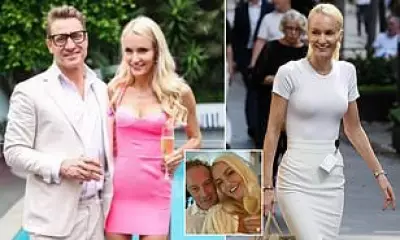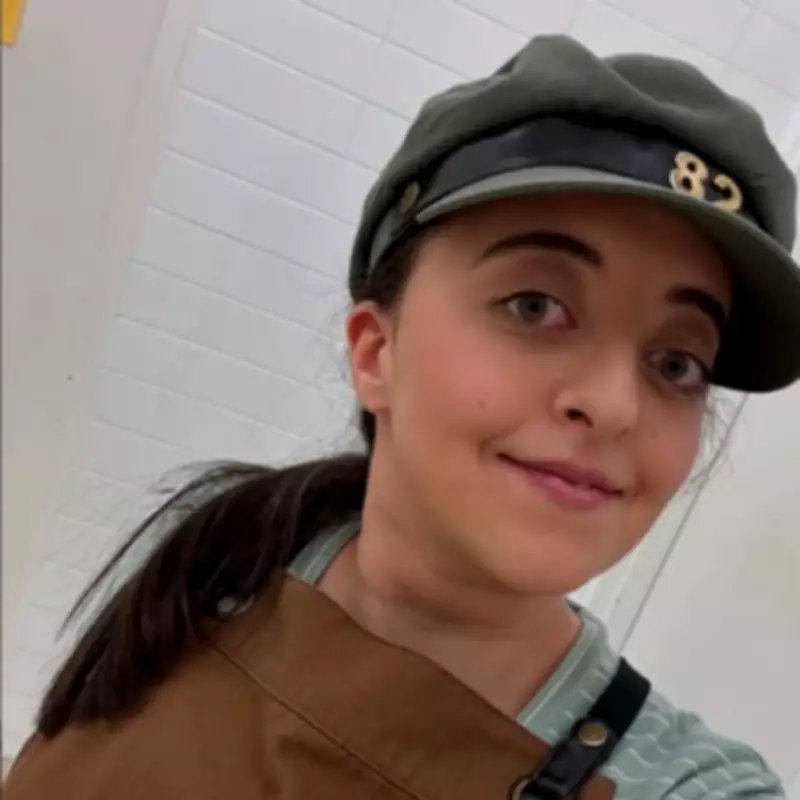
An actress who previously worked on a major soap opera has opened up about the reality of life on set, revealing fascinating behind-the-scenes secrets and strict rules that govern production. Zoe Markos, who appeared on the long-running Australian series Neighbours, has provided an exclusive glimpse into the world of television drama that viewers rarely get to see.
The Enduring Legacy of Neighbours
Neighbours first aired in 1985 and initially concluded in 2022, only to be revived by Amazon before its final cancellation in 2025. Over its extensive four-decade history, the Australian serial drama launched the careers of numerous global stars including Margot Robbie, Kylie Minogue, Russell Crowe, and Liam Hemsworth. However, the actual experience of working on the set of Erinsborough remains largely unknown to the public.
From Extra to Speaking Role
Zoe Markos first joined Neighbours in 2012 as an extra before eventually landing a speaking role in 2025 as Louisa Palamountain. Her journey from background performer to featured actress gives her unique insight into both sides of production. She has now shared some remarkable behind-the-scenes details that even dedicated fans might find surprising.

The Illusion of Erinsborough
Speaking to JoeFortune, Zoe explained the remarkable design of the Neighbours set. "The studio is literally Erinsborough, built to feel like a real town," she revealed. "Walking around, you genuinely feel like you're in an actual town because of how well it's been designed. The sets are much smaller than they look on television."
She provided specific examples of how this illusion is maintained: "For instance, when you're pretending to make juice or cook something, none of the utensils actually work but it doesn't matter because the illusion is perfect." This attention to detail creates the seamless reality that viewers experience from their living rooms.
A Living Museum of Television History
What particularly impressed Zoe was the historical preservation within the studio. "What really blows me away is how much history is packed into those sets," she explained. "Especially when I was involved on the production side, I got to see props, furniture, and chairs dating back to the 1980s, all carefully preserved."
She continued with even more remarkable details: "They even have old VHS tapes of episodes that haven't been digitised yet. It's incredible. I think most people don't realise just how much history was made in that studio and on that show. It's truly remarkable." This creates a tangible connection to the show's nearly forty-year legacy.
Strange On-Set Rules and Regulations
Zoe went on to share some of the more unusual rules she had to follow while filming. "You can't actually talk, so you have to mime," she revealed. "For example, if you're opposite someone or asked to have a conversation on set, you just can't speak. It's probably common on all shows, but in party scenes, for instance, they don't play the music, so you have to dance without it. It can feel a bit awkward."
She added another surprising requirement: "Another thing is that you really have to be very quiet and not make any noise, which is kind of funny when you think about it. Those would probably be some of the little secrets about being on set that people don't usually notice." These rules help maintain audio quality during filming but create unusual working conditions for performers.
Costume Considerations and Restrictions
Moving on to clothing requirements, Zoe provided insight into how extras are dressed for scenes. "As an extra, it depends on your role," she explained. "If you are part of the main background, like a work guard or a specific set role, they usually provide your costume. If you are just a regular member of the community in a scene, they might give you clothes or accessories."

When costumes aren't provided directly, strict guidelines are issued: "If not, they will send a brief to your manager or directly to you if you do not have one, explaining what you can and cannot wear. Generally, they avoid patterns like polka dots or anything too busy. They prefer plain clothing with no logos, and you definitely cannot wear anything that could be copyrighted." These restrictions prevent visual distractions and legal complications during filming.
The Lasting Impact of Soap Opera Experience
Zoe Markos's revelations provide a rare window into the complex world of television production, particularly for a show with Neighbours' historical significance. Her experience highlights both the meticulous planning that goes into creating believable fictional worlds and the practical realities that performers face behind the scenes.
The preservation of historical artifacts from the show's early days demonstrates how television productions can become living museums of popular culture. Meanwhile, the strict rules governing everything from conversation to clothing reveal the disciplined environment required to produce consistent, high-quality television content week after week.