Pablo Behrens’s experimental documentary takes viewers on an eccentric journey along the Thames estuary, blending mudflats and migrating birds with power stations and abandoned industry. The film, described as indulgent but engaging, explores the unloved stretch between London and the sea through the eyes of an unseen explorer.
Behrens, like writers Iain Sinclair and JG Ballard, is drawn to the estuary’s wildness juxtaposed with rusted relics of infrastructure. The landscape evokes a post-apocalyptic feel, where nature reclaims areas surrounded by pylons and derelict fairground rides.
The camera serves as the explorer’s gaze, with location coordinates flashing on screen and scratchy voices from a command centre. Scenes include birds on oozing mudflats, burning sunrises, luminous mists, and sunburnt teenagers swimming in the river.

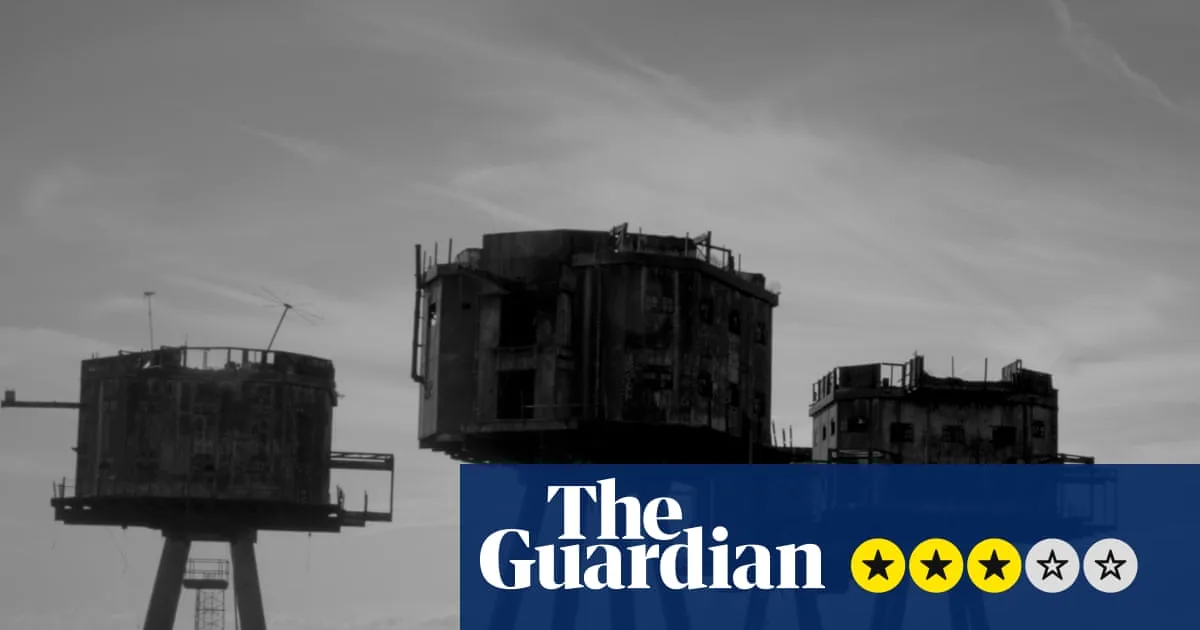
Off Whitstable in Kent, the film features the eerie Maunsell sea forts from World War II, described as rusted steel towers reminiscent of Mad Max. However, on-screen captions like “Several structures made it clear to me that this region had sustained a prolonged war” are criticised as clumsy and breaking the spell.