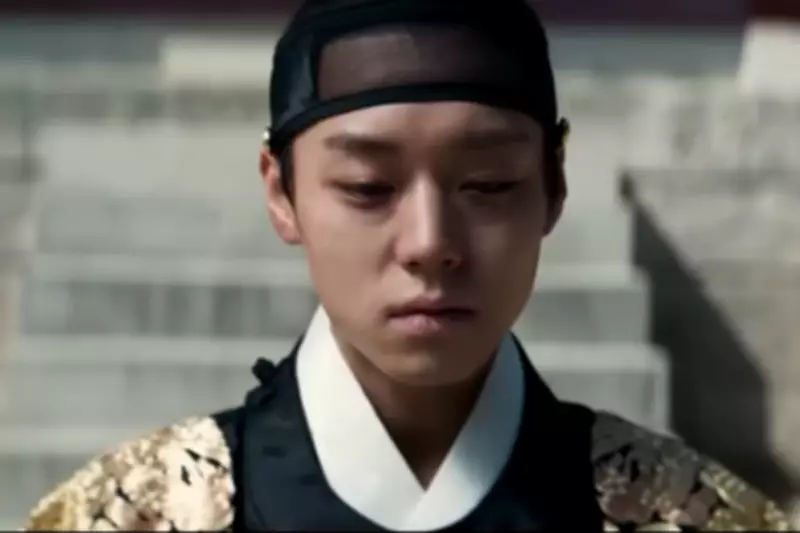
The South Korean film industry is experiencing a monumental resurgence, driven by a poignant historical drama that has captivated the nation. The King's Warden, a cinematic exploration of the tragic 15th-century Joseon monarch Danjong, has stormed the domestic box office, achieving a remarkable milestone and igniting a nationwide wave of royal fascination.
Record-Breaking Box Office Success
Released on February 4, 2026, and directed by Jang Hang Jun, The King's Warden has drawn over 11.5 million admissions, becoming the first film in nearly two years to surpass the 10 million mark. With a production budget of approximately $6.9 million, the film has grossed an impressive $74.3 million, demonstrating its widespread appeal and commercial viability.
A Tale of Exile and Loyalty
The narrative centers on King Danjong, who ascended the throne in 1452 at the tender age of 12, only to be forcibly deposed three years later by his uncle in a brutal coup. Stripped of his royal titles, the teenage king was exiled to a remote mountainous region, where he met his untimely death at 16. Rather than delving into palace politics, the film uniquely perspectives the story through Eom Heung Do, the village chief entrusted with guarding the dethroned monarch. This focus transforms the plot into a profound examination of evolving loyalty and protective bonds.

Tourism Surge to Historical Sites
The film's runaway success has catalyzed an unprecedented tourism boom in Yeongwol, the Gangwon province county where Danjong was historically exiled. Officials report that the area now welcomes an average of 2,000 daily visitors, with weekend numbers soaring to 6,000. Over a single recent weekend, two key heritage attractions—Cheongnyeongpo, the secluded peninsula of confinement, and Jangneung, the royal tomb—drew more than 10,000 visitors combined.
Jangneung, one of the 40 Joseon royal tombs designated as a UNESCO World Heritage Site, has seen visitor totals exceed 109,000 this year alone, nearly matching last year's full-year figure of 110,000 reached only in June. This surge includes locals rediscovering their heritage, as one Yeongwol resident noted after a family viewing inspired a trip to Cheongnyeongpo, moved by Danjong's poignant story.
Isolation and Symbolism
Cheongnyeongpo's geographical isolation, surrounded by the Dong River on three sides and accessible solely by boat, historically made it an ideal exile location. Tourists now flock to sites like the "Eom Heung Do Pine," a tree that leans respectfully toward the royal residence, and Gwaneumsong, an ancient pine believed to have witnessed the king's sorrow.
Powerful Performances and Historical Intrigue
Veteran actor Yoo Hae Jin portrays the vigilant village chief Eom Heung Do, while Park Ji Hoon embodies the fragile Danjong. Park undertook an intense diet to achieve a skeletal appearance, aiming to evoke profound pity and isolation, describing his character as embodying "a powerless kind of sorrow."
Historical records ambiguously note Danjong's death by strangulation or poison, with his uncle, King Sejo, decreeing that his body be discarded in a river. Chronicles suggest Eom Heung Do secretly retrieved and buried the remains at Jangneung, later going into hiding. This legacy has sparked modern backlash, with South Korean citizens leaving one-star reviews on King Sejo's tomb online, condemning his actions against his nephew.
Political and Cultural Endorsement
South Korean President Lee Jae Myung, who viewed the film during the Lunar New Year holiday with the first lady, praised the cast and crew for fostering "shared empathy." He emphasized the government's commitment to nurturing creative freedom, affirming that Korean cinema's growth stems from passionate creators and audience support, positioning culture as a source of national pride.
This cinematic phenomenon not only revitalizes box office records but also rekindles historical discourse, proving that art can powerfully influence tourism, public sentiment, and cultural identity.