Harold and Maude: A Cult Classic's Enduring Message of Light in Darkness
Harold and Maude: Finding Light in the Dark

Harold and Maude: A Timeless Tale of Joy and Individuality

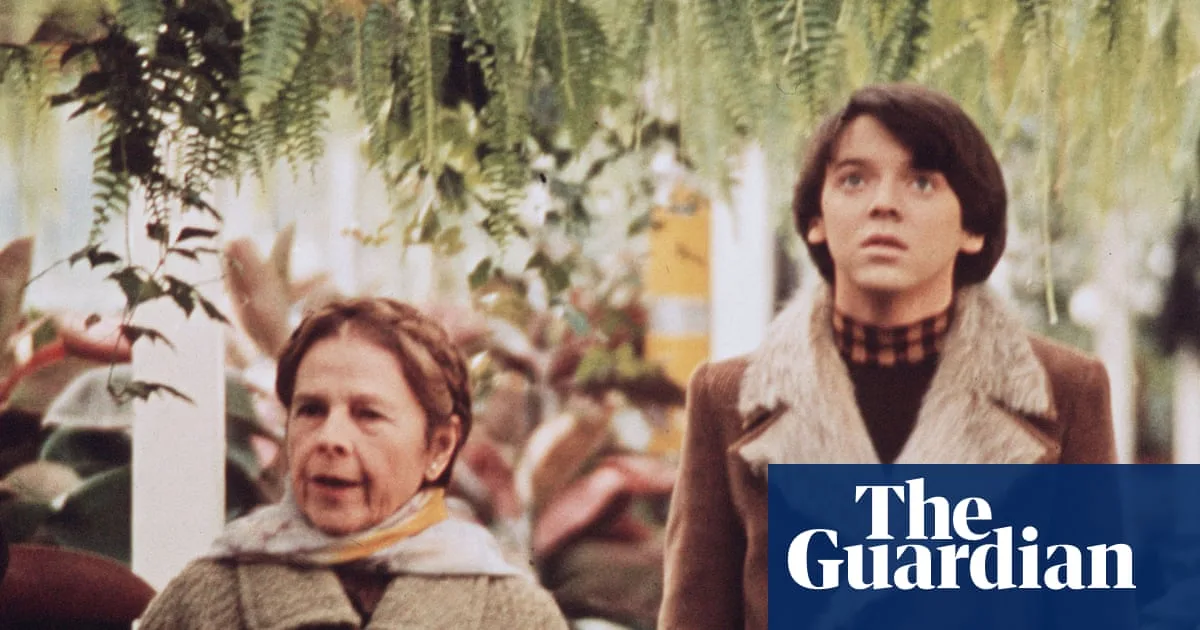
In the realm of cinema, few films manage to blend darkness and light as masterfully as Harold and Maude. This 1971 cult classic, directed by Hal Ashby, stars Bud Cort as the morbidly inclined Harold and Ruth Gordon as the vivacious Maude. At first glance, it might seem an unlikely candidate for a feelgood movie, given its themes of suicide and existential angst. Yet, its enduring appeal lies precisely in its ability to find humour and hope in the most unexpected places.

The Unlikely Duo: Harold and Maude's Quirky Bond

The story centres on Harold, a wealthy young man obsessed with staging fake suicides to unsettle his indifferent mother. His life lacks purpose until he crosses paths with Maude, a free-spirited septuagenarian who steals cars and crashes funerals for fun. Their meeting at a cemetery, where Maude is casually eating an orange on a coffin, sets the stage for one of cinema's most unconventional relationships.

Through a series of mischievous adventures, including picnics at demolition sites and run-ins with the police over a stolen tree, Harold and Maude challenge societal norms. Their dynamic is both playful and profound, offering a refreshing take on companionship that transcends age and convention.

Wide Pickt banner — collaborative shopping lists app for Telegram, phone mockup with grocery list

Key Moments That Define the Film's Spirit

One of the film's most memorable scenes occurs in a field of daisies, where Maude teaches Harold about individuality. When Harold remarks that daisies are all alike, Maude corrects him, pointing out their unique differences. "You see, Harold, I feel that much of the world's sorrow comes from people who are this, yet allow themselves to be treated as that," she says. This moment encapsulates the film's core message: celebrating one's uniqueness is key to finding meaning in life.

Other standout elements include:

  • Cinematography: The visual storytelling, such as the shot of Harold's mother swimming past him as he feigns drowning, perfectly captures the film's sardonic tone.
  • Comedy: Darkly humorous scenes, like Harold pretending to set himself on fire to scare off a date, add levity to the narrative.
  • Costume Design: Harold's flared trousers and colourful collars reflect a quirky style that feels ahead of its time.
  • Soundtrack: Featuring original songs by Yusuf / Cat Stevens, including If You Want to Sing Out, Sing Out, the music infuses the film with a sense of warmth and optimism.

Why Harold and Maude Resonates as a Feelgood Film

Despite its spicy premise—Harold is around 19, while Maude is in her late 70s, leading to a sexual relationship—the film transcends mere shock value. It's not about an age gap or predation; rather, it's a story about discovering light in darkness and embracing life's oddities. Harold learns to see the world through Maude's rose-tinted glasses, finding joy in moments that once seemed bleak.

For many viewers, Harold and Maude becomes a personal touchstone. Whether watched during lockdowns, as part of a virtual cinema club, or at festivals like Glastonbury, the film accumulates positive memories that enhance its feelgood quality. It reminds us that sometimes, it's the oddballs who have the most fun, and we could all learn from their example.

Available on platforms like the Criterion Channel in the US and for digital rental in the UK and Australia, this film continues to inspire new generations with its timeless wisdom and quirky charm.

Pickt after-article banner — collaborative shopping lists app with family illustration