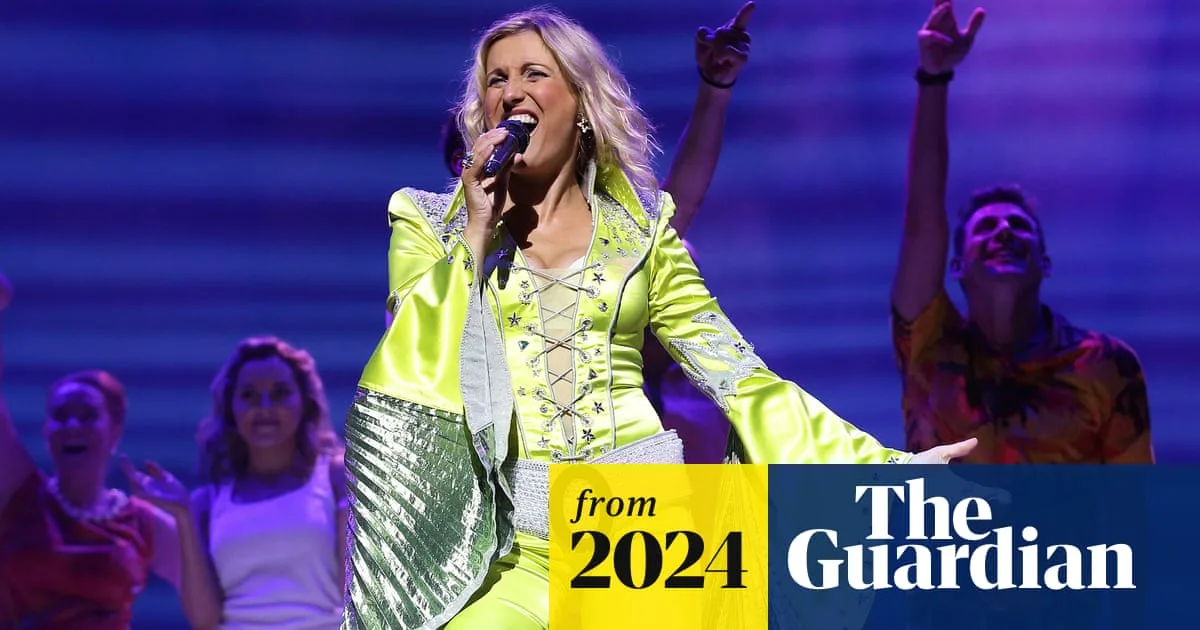
Sara Poyzer, a stage star of the Mamma Mia! musical, has said her voiceover work for an upcoming BBC production has been replaced by artificial intelligence. The actor shared a screengrab on social media of an email from a production company working for the BBC, which read: "We have had the approval from the BBC to use the AI generated voice so we won't need Sara any more." Poyzer captioned the post "Sobering", and it has since been viewed more than two million times.
The post drew widespread criticism from fellow actors and industry figures. Game of Thrones actor Miltos Yerolemou commented: "It's time for British actors and creatives to draw a line in the sand. Like our American brothers and sisters it's time to resist this." Comedian Stevie Martin said most of her income comes from voiceovers and that the news made her "want to explode". The vice-chairman of Directors UK recently told MPs he expected soaps to be entirely AI-generated within three to five years.
Poyzer declined to comment, but her agency, Voice Squad, said: "We were very disappointed to receive the production company's response, particularly as it's a BBC project." The agency added that AI is "a danger to the whole industry" and that voice artists are "particularly skilled actors who deserve not to have their work devalued".

In response to the furore, the BBC explained that the decision was made for a "highly sensitive documentary" featuring a contributor nearing the end of life who can no longer speak. A spokesperson said: "We have been working closely with their family to explore how we might best represent the contributor's voice at the end of the film. In these very particular circumstances and with the family's wishes in mind we have agreed to use AI for a brief section to recreate a voice which can now no longer be heard. This will be clearly labelled within the film."
Following the BBC's statement, Voice Squad said that if they had been made aware of the context in the original email, "it would have caused a great deal less confusion". However, they maintained their general opposition to AI replacing human actors. The controversy comes as the BBC also faced criticism last week for using AI-generated marketing materials for Doctor Who, which it later said it would not do again.