The Rise of Bunker Narratives in Modern Television
In an era marked by global uncertainties, the concept of underground bunkers has transitioned from fringe survivalist fantasy to mainstream fascination, particularly in television. A wave of recent dramas, including Paradise, Fallout, and Silo, delves into the allure and perils of subterranean living, mirroring real-world trends where tech billionaires like Sam Altman and Peter Thiel invest in elaborate doomsday shelters. This cultural shift raises intriguing questions about societal fears and the elite's preparedness for potential catastrophes.
Billionaire Bunkers: Fiction Meets Reality
The line between fiction and reality blurs as shows like Paradise on Disney+ depict tech moguls constructing vast underground cities. Julianne Nicholson's character, Samantha Redmond, funds a project codenamed "Versailles," an all-American suburb designed to house 25,000 people during a climate crisis. This narrative echoes real-life investments by figures such as Elon Musk, who envisions an "apocalypse resort," and Mark Zuckerberg, known for his sizable bunker. The parallel suggests a growing anxiety among the wealthy, prompting viewers to wonder if these elites possess insider knowledge about impending disasters.
Television's Exploration of Bunker Life
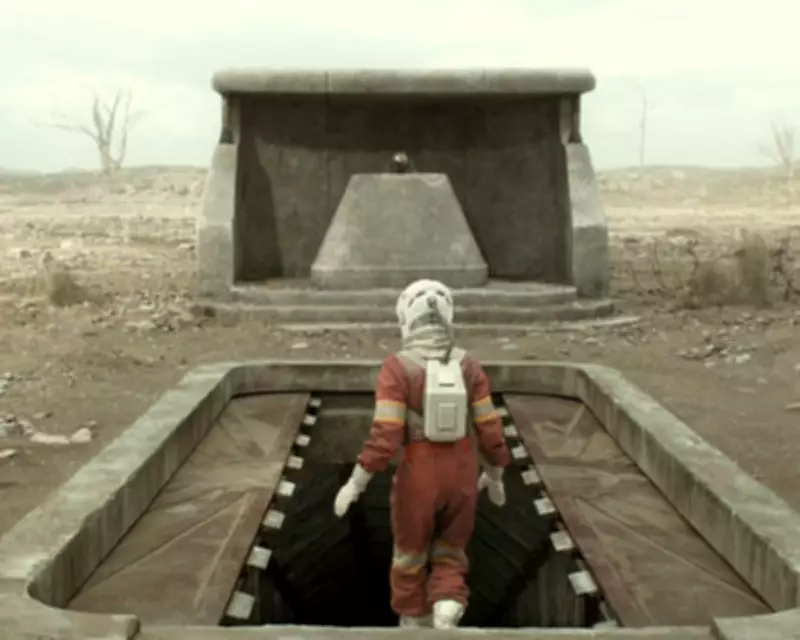
Television series are increasingly using bunker settings to explore themes of deception, resilience, and human nature. In Paradise, the second season reveals that the anticipated nuclear detonations never occurred, challenging the survivors' perceptions of the outside world. Krys Marshall, who plays agent Nicole Robinson, notes that the show focuses on resilience rather than pure dystopia, highlighting how characters adapt when "down but not out." Conversely, Fallout, based on a video game, presents a stark contrast with its 1950s-styled bunkers and a horrifying wasteland above, where characters like the Ghoul (Walton Goggins) navigate a post-apocalyptic identity crisis.

Political and Social Commentary in Bunker Dramas
These shows often serve as allegories for contemporary issues. David Pike, author of After the End: Cold War Culture and Apocalyptic Imaginations, points out that bunker narratives frequently expose deception and corruption, reflecting post-pandemic disillusionment with isolation. He traces this trend back to Ayn Rand's Atlas Shrugged, linking it to right-wing fantasies of elite sanctuaries. In Silo, the vertical structure emphasizes class divides, with elites occupying upper levels while workers reside below. Author Hugh Howey explains that the series explores the tension between freedom and governance, a timely political question.
Production Insights and Cultural Impact
The creation of these bunker worlds involves meticulous design and emotional resonance. For Silo, production designer Gavin Bocquet drew inspiration from Brutalist architecture, building a 45-foot set in a former freezer plant during COVID lockdowns, which he says enhanced the immersive feel of living underground. Howey's emotional reaction to seeing his fictional silo realized underscores the power of collaborative storytelling. Meanwhile, Paradise films on a sunny backlot, offering a "glam bunker" experience that contrasts with Silo's gritty aesthetic, as noted by Marshall.
Conclusion: Why Bunker Stories Resonate Today
The proliferation of bunker-themed television reflects broader societal anxieties about climate change, pandemics, and political instability. By examining both the allure and flaws of these underground havens, shows like Paradise, Fallout, and Silo invite audiences to ponder what it means to survive and thrive in uncertain times. As billionaires make apocalypse survival appear glamorous, these narratives challenge viewers to consider who gets saved and at what cost, making bunker dramas a compelling mirror of our contemporary world.