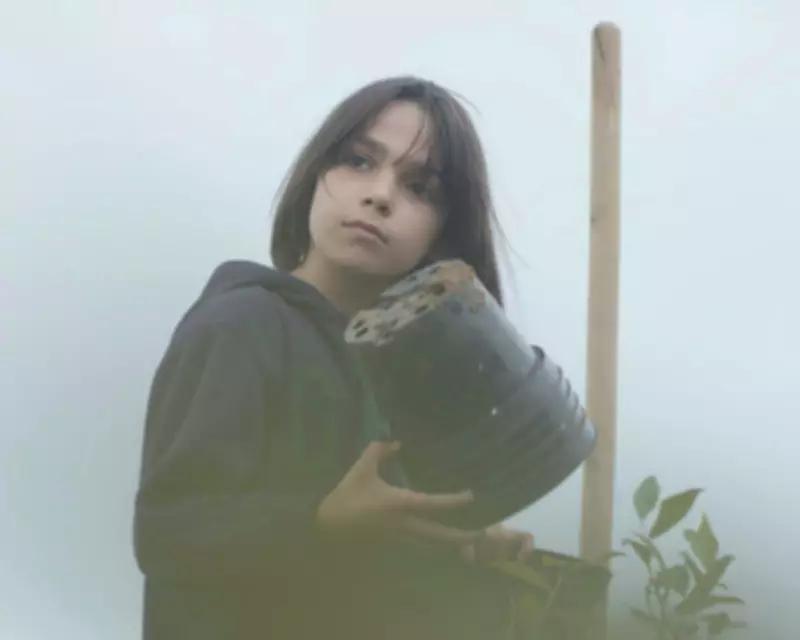
Blueberry Dreams Review: A Gentle, Humorous Portrait of a Georgian Family Starting a Fruit Farm
War lingers in the background, but the focus remains on a kindly father, his long-suffering wife, and young sons as they grapple with the challenges of making a profit from working the land. Georgian film-maker Elene Mikaberidze's first feature-length work is a gentle, sweet-natured, and deeply embedded documentary that observes a working-class family over a year and a half as they embark on starting a blueberry plantation.
A Family's Journey Amidst Political Tensions
The opening text reveals that Soso, the father of the family, was originally an engineer but chose to leave his profession and take up farming. This decision is partly driven by attractive credit incentives offered by the Georgian government, particularly for those working the land near the border with Abkhazia. Abkhazia was once part of Georgia but has effectively been a puppet state of Russia since the 2008 Russia-Georgia war, adding a layer of geopolitical tension to the narrative.
The film begins tracking the family from April 2021, ensuring that war is very much on the minds of everyone involved. Even Soso's irrepressible 10-year-old son, Lazare, proudly displays his pictures of soldiers and explosions at a school art show. In another scene, Lazare, his older brother Giorgi, and another child discuss the region's politics and history after a Christmas meal, speculating on how events might have differed if historical circumstances had changed.

The Struggles of Blueberry Farming
For the most part, the film concentrates on the immediate realities of blueberry farming. Soso and the boys diligently tend to their rows of bushes, though the children show less enthusiasm for agriculture than their father. They contribute without complaint when the first harvest arrives, but Soso learns the hard way that turning a profit is an uphill battle. Buyers serving the European market are scarce, forcing the family to sell to the despised Russians to make ends meet, much to the disgust of Soso's long-suffering wife, Nino.
Meditative Pacing with Engaging Moments
Given its subject matter, Blueberry Dreams adopts a stately, meditative pacing but never becomes so slow-moving as to feel soporific. The film is enlivened by frequent moments of mischief, such as dogs causing trouble within the frame, or other visual details that please the eye. While it does not shy away from showing the family's challenging way of life, it avoids the typical third-act tragedy often found in similar films. Instead, the family comes across as nice, regular folk who are affectionate with one another, share kind laughter, and even take moments to dance in the kitchen to a favourite old song.
Blueberry Dreams is scheduled to screen at Bertha DocHouse in London from 13 March, offering audiences a poignant glimpse into resilience and everyday life amidst broader struggles.