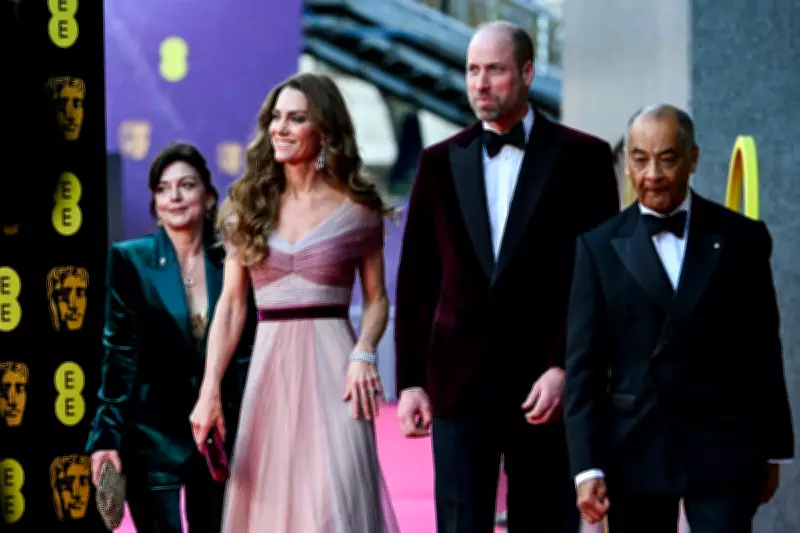
BBC's Bafta Broadcast Disaster Exposes Institutional Failings
The BBC's coverage of the Bafta Film Awards has descended into a profound crisis, following a deeply distressing incident involving the broadcast of an N-word tic from Tourette's syndrome campaigner John Davidson. The corporation's response has been characterised by inadequate apologies and systemic failures in duty of care, raising serious questions about its editorial standards and institutional priorities.
A Night of Celebration Turns to Deep Hurt
What should have been a celebratory evening for British cinema has instead become a source of significant pain. John Davidson, the subject of the documentary I Swear, has spent years battling his Tourette's syndrome while helping thousands with the condition. During the awards ceremony, Davidson experienced a coprolalia episode—an involuntary symptom involving obscene speech—that included the N-word.
The individuals most directly affected were Sinners cast members Delroy Lindo, Michael B Jordan, and production designer Hannah Beachler, who were presenting on stage when the incident occurred. Both Bafta and the BBC provided minimal protection or assistance to these individuals, compounding the harm when the moment was broadcast uncensored to millions of viewers.

Institutional Failures and Double Standards
The BBC's response stands in stark contrast to its handling of similar situations. During last year's Glastonbury coverage, the corporation partially upheld complaints about anti-Israel comments made by band Bob Vylan, eventually removing them from iPlayer catch-up broadcasts. More tellingly, director Akinola Davies Jr's call to "free Palestine" was edited from his Bafta acceptance speech for Outstanding Debut.
This selective editing reveals troubling priorities. The BBC managed to remove political statements and another racial slur from the broadcast, yet failed to protect individuals from hearing the N-word without proper context or warning. As former BBC staffer Kat Brown notes, "Imagine if Davidson had ticced the C-word. Or if those on stage were William and Kate. We wouldn't even be having this discussion."
Broken Promises and Communication Breakdowns
Davidson had previously made four documentaries about Tourette's with the BBC and had received assurances from Bafta that any swearing would be bleeped from the broadcast. Despite being seated 40 rows back, a microphone near his seat captured the incident. Warner Bros representatives complained to Bafta within minutes, receiving assurances their concerns would be passed to the BBC—though it remains unclear whether this occurred.
The BBC and producer Penny Lane Entertainment claim producers were unaware of what was said until too late because they were working in a production truck. However, with modern communication tools like WhatsApp and a two-hour broadcast delay, this explanation raises serious questions about operational competence and communication protocols.
Reithian Principles Abandoned
The BBC's founding principles of inform, educate, and entertain have been conspicuously absent. Instead of using this moment to educate viewers about coprolalia and Tourette's syndrome, the broadcast created confusion. Many viewers mistakenly believed Davidson's main tic was the N-word, rather than understanding it as one of approximately ten different offensive words he might tic.
Worse still, some audience members questioned why Davidson hadn't isolated himself in another room—which he actually did after realizing his tic had reached the presenters on stage. This represents a fundamental failure to inform the public about neurological conditions and their manifestations.
Institutional Culture and Accountability
The incident exposes deeper problems within the BBC's institutional culture. As Brown observes, the corporation operates as "a kingdom of silos that do not communicate with each other." With numerous high-profile executives present at the event, questions remain about whether any took responsibility for ensuring appropriate action was taken, or whether they assumed "someone else" would handle it.

The BBC's non-committal response and inadequate apology—described by Beachler as a "throwaway apology of 'if you were offended'"—demonstrate a failure to acknowledge the specific harm caused. Lindo expressed disappointment that no one from Bafta spoke to the affected parties afterward, highlighting the lack of proper follow-up care.
Broader Implications and Future Concerns
This incident has created division where there should have been understanding. As commentator Ava Vidal noted, "Instead of this being a moment that could have promoted understanding, two marginalised groups are now fighting." This outcome represents the antithesis of what a public service broadcaster should achieve.
The timing is particularly concerning given the ongoing search for a new BBC director-general, with former Google EMEA president Matt Brittin reportedly in contention. This incident raises questions about whether traditional broadcasting expertise is being adequately valued in an increasingly digital media landscape.
At its best, the BBC represents a jewel in Britain's cultural crown. At its worst, as demonstrated here, it functions as a slow, bloated institution that fails in its basic duties of care while deflecting responsibility. The corporation must undertake serious reflection and reform to restore public trust and properly fulfill its Reithian mission in an increasingly complex media environment.