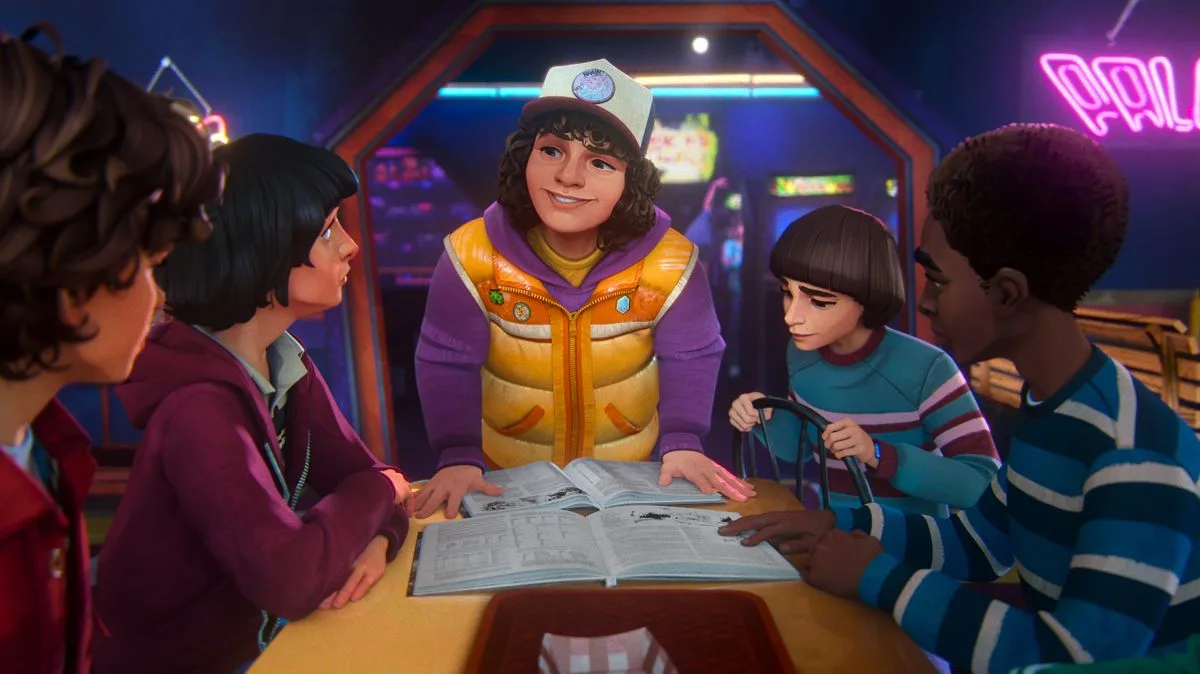
Netflix’s first major spin-off of its hit series Stranger Things, titled Tales from 85, has arrived on the streaming service. Set in the winter of 1985, the animated series follows Eleven, Mike, Will, Dustin, Lucas, and Max as they face a new threat from the Upside Down. However, the show’s premise and execution have raised questions about whether Netflix understands what made the original so popular.
One of the biggest issues is the decision to set the spin-off between earlier seasons of the main series. This creates plot holes for dedicated fans, such as the introduction of new characters like Nikki Baxter and Cosmo, who are never seen in later seasons. Additionally, the original cast has been replaced by new voice actors, with some performances feeling off or completely different from the beloved characters.
The setting also undermines emotional beats. For example, Dustin laments returning to normal life after an Upside Down adventure, but viewers know three more seasons of chaos await. Meanwhile, Hopper’s absence is poorly explained: he is told to keep Eleven hidden for a year, yet she freely attends school while he works all day. The show fails to address why he is not investigating missing teens or monster attacks.

Despite these flaws, the animation is visually stunning, and a mid-season twist adds stakes to the action-packed finale. However, the series often retreads old ground, with lessons already learned in past and future seasons of the main show. The creative team could have taken inspiration from successful spin-offs like The Walking Dead, which offer more intriguing premises or focus on characters from the main series.