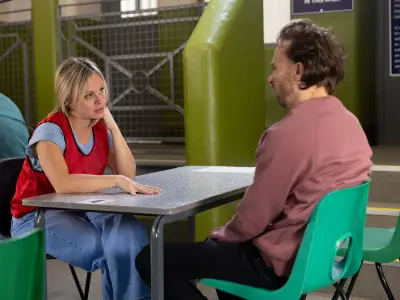
Netflix has made the surprising decision to cancel a highly praised comedy series, 'The Vince Staples Show', which boasted an impressive 94% rating on the review aggregator site Rotten Tomatoes. This move comes despite fervent calls from fans for more episodes, highlighting a disconnect between critical acclaim and viewing figures in the streaming landscape.
A Fictionalised Take on a Rapper's Life
The series, which aired from 2024 to 2025 for two seasons, offered a fictionalised version of the life of American rapper Vince Staples. Similar in tone to Donald Glover's acclaimed series 'Atlanta', it followed Vince, aged 32, as he navigated a series of surreal and chaotic events in his California hometown. The show cleverly blended elements of Staples' real-world biography with exaggerated personas and unexpected narrative twists.
Exploring Fame and Its Discontents
At its core, 'The Vince Staples Show' delved into the complexities of fame, portraying how it failed to liberate the protagonist from his upbringing and instead introduced new challenges. Surrounded by old friends and newfound fans, the story unfolded through everyday scenarios—such as house purchases, party escapades, and business dealings—that invariably spiralled into humorous and thought-provoking chaos.
Viewership Decline Leads to Cancellation
Unfortunately for the series, its second season experienced a significant drop in viewership, which ultimately led to Netflix's decision to cancel it. According to reports from Deadline, while the first season was streamed 4.6 million times, the second season saw a sharp decline to just 1.7 million streams. This downturn in audience engagement contrasted starkly with the show's strong critical reception.
Fan Reactions and Critical Acclaim
Fans and critics alike heaped praise on 'The Vince Staples Show', with its Rotten Tomatoes score of 94% complemented by a 7.4/10 rating on IMDb. Viewers took to online platforms to express their admiration, with one noting, 'The dialogue was pretty funny and the acting wasn't bad at all.. Vince has a lot more material to give the world. And we wanna see it!' Another added, 'I enjoyed the first season and watched it twice,' while a third declared, 'Loved it. Great watch and a great job, Vince.'
Further accolades highlighted the show's quality, with one fan stating, 'The show is hilarious and believable, given Vince Staples's life story. It's a must-watch; the script is superb, and all the actors bring A* performances in each episode.' Another enthusiast remarked, 'Damn good show. Entertaining as hell. This is one of the few shows on Netflix that is leaps and bounds better than anything else on the platform.' A sixth viewer concluded, 'The Vince Staples show is a future classic in the making! It's too good to miss and doesn't overstay its welcome.'
Netflix's Content Shifts Amid Fan Excitement for Other Additions
This cancellation occurs as Netflix continues to adjust its content library, balancing new additions with removals. In a related development, fans of the streaming service have expressed delight over the availability of an 'underrated 00s gem', the sitcom 'What I Like About You'. Originally airing on The WB from 2002 to 2006, this show stars Amanda Bynes and Jennie Garth and follows the story of teenager Holly moving in with her older sister Val in New York City.
Revival of Nostalgic Content
All 86 episodes of 'What I Like About You' are now accessible on Netflix, sparking excitement among viewers who cherish early 2000s nostalgia. One fan on IMDb described it as an 'underrated gem' and gave it a 10/10 score, adding, 'I have loved this show since I was a kid. Amanda Bynes shines as always, Jennie Garth proves her chops as a comedian after her 90210 days.' Another viewer called it 'One of my fav comfort shows of all time', noting its enduring appeal from their teens to mid-20s.
This juxtaposition of cancelling a critically acclaimed modern series while reviving a beloved classic underscores the dynamic and often unpredictable nature of streaming platform strategies, where viewer metrics and nostalgic value play pivotal roles in content decisions.