In an exclusive insight, one of the UK's foremost royal editors has detailed how Prince William and Kate Middleton are fundamentally reshaping the traditional royal approach to family life, setting them apart from previous generations within the monarchy.
A New Era of Royal Parenting
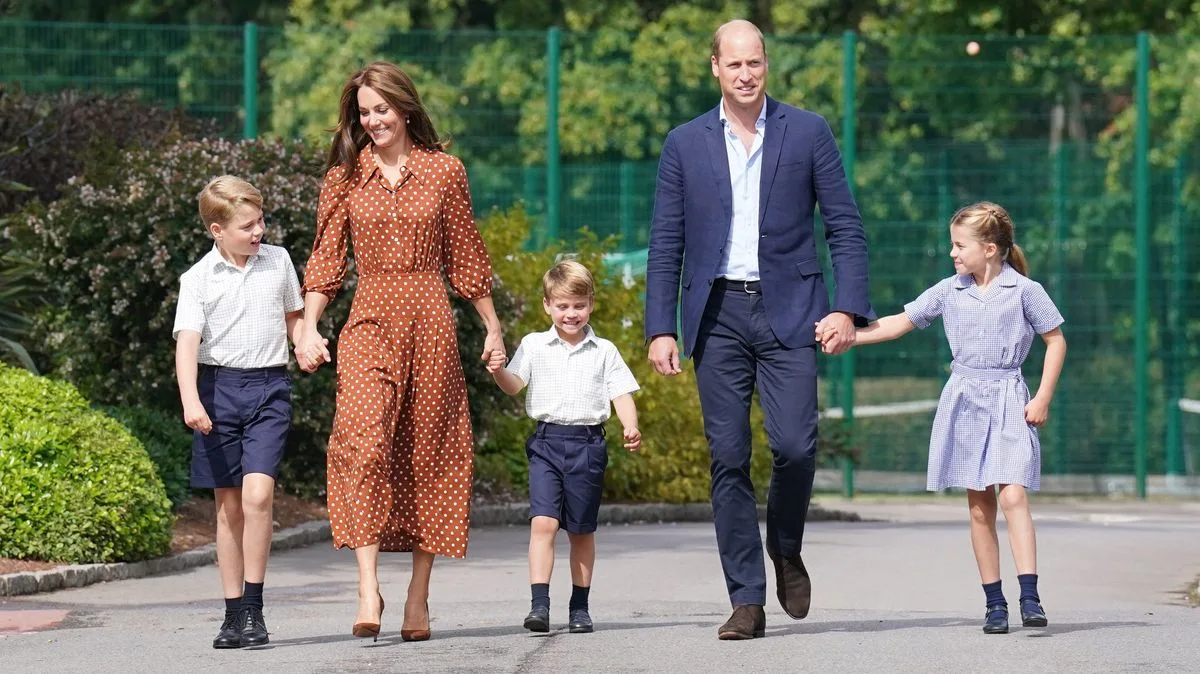
ITV News Royal Editor Chris Ship, who has accompanied the Prince and Princess of Wales on recent engagements, observes that their commitment to balancing public duties with private family time mirrors that of many working parents across the nation. Despite their future roles as King and Queen, William and Kate actively ensure their children—Prince George, Princess Charlotte, and Prince Louis—experience a childhood grounded in normality.
Prioritising Family Over Protocol
Chris Ship notes, "On the last few trips I've done with the Waleses, they've not run into weekends. They like to make sure they're back in time for school pick-up on a Friday, and are there to drop them off on a Monday morning." This dedication represents a stark contrast to historical norms, where young royals were often cared for by nannies and governesses while their parents embarked on lengthy overseas tours.
Royal commentator Katie Nicholl adds, "Being a royal mother has changed dramatically. For women like the Princess of Wales, family now comes before everything else, and every effort is taken to ensure their childhood is as ordinary as possible—whether that be through playdates, school clubs or sitting down to eat together."
Historical Context and Evolution
The shift away from distant parenting styles is evident when comparing past royal practices. In 1953, Queen Elizabeth II and Prince Philip undertook a six-month Commonwealth tour, leaving their young children, Prince Charles and Princess Anne, at home—a scenario deemed "absolutely unheard of now" by Chris Ship.
Even during her reign, Queen Elizabeth's interactions with her children were limited by the standards of the time, with Charles later describing his parents as "emotionally distant." However, the Queen did introduce some modern touches, such as breastfeeding her babies and ending the requirement for the Home Secretary to witness royal births.
The Diana Influence and Beyond
Princess Diana played a pivotal role in transforming royal motherhood, becoming the first to give birth to a future heir in a hospital and taking Prince William on tours abroad. She famously embraced public displays of affection and involved her sons in everyday activities, from visits to Thorpe Park to meals at McDonald's.
Katie Nicholl explains, "Life outside palace walls was very much Diana's vision, and Kate and William have taken that further with their three children." While the couple employs nanny Maria Teresa Turrion Borrallo for support, Kate actively participates in school runs and family routines, maintaining a "slimline" household without extensive staff.
Broader Family Dynamics
This modern approach extends across the royal family. Queen Camilla is celebrated by her children for her loving and non-judgmental parenting, often retreating to her Wiltshire home for family weekends. Similarly, Princess Anne rejected titles for her children, Peter Phillips and Zara Tindall, to allow them greater independence, a philosophy Zara now applies in her own motherhood.
Sophie, Duchess of Edinburgh, also emphasises a nurturing home environment for her children, Lady Louise and James, Earl of Wessex, balancing her increasing workload with a focus on privacy and warmth.
Conclusion: A Monarchy Transformed
As the next generation of royals matures, the emphasis on family-centric values and work-life balance highlights a significant evolution within the monarchy. The warmth and support provided by royal mothers today stand as a testament to a more relatable and modern royal institution, breaking long-standing traditions to prioritise personal connections and ordinary childhood experiences.