Queen Elizabeth II's Enduring Legacy Casts Long Shadow Over Monarchy
As the nation marks the centenary of Queen Elizabeth II's birth, her memory continues to loom large over the British monarchy, four years after her passing in 2022. The late monarch, who reigned for an unprecedented seventy years, remains the only sovereign most Britons have ever known, creating an enduring presence that still shapes public perception and commercial markets today.
Commercial Memory Outpaces Current Reign
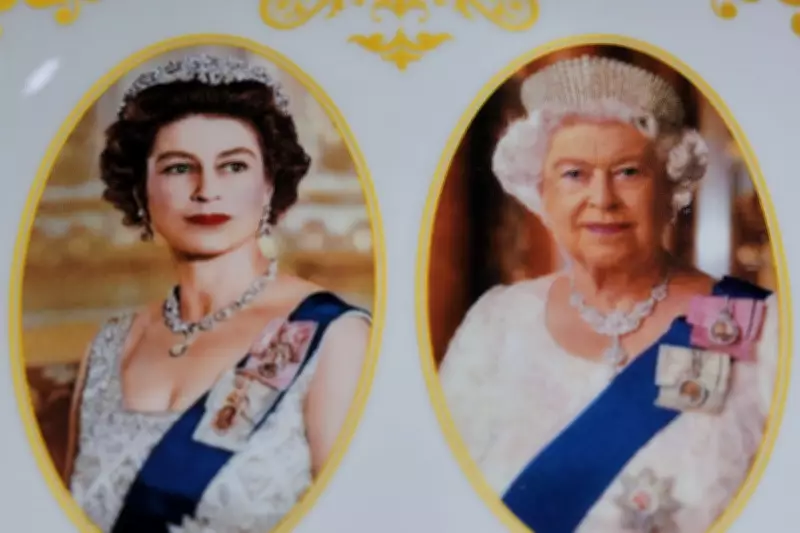
At the Cool Britannia gift shop opposite Buckingham Palace, manager Ismail Ibrahim reports that souvenirs bearing Queen Elizabeth II's likeness consistently outsell those featuring her son, King Charles III. The shop maintains a brisk trade in mugs, tea towels, and key rings commemorating Britain's longest-reigning monarch, while items depicting the current king attract significantly less interest.
"We still sell more of the queen than the king any day," Ibrahim confirmed, highlighting how Elizabeth's image continues to dominate public memory and commercial markets. This commercial reality reflects a broader cultural phenomenon where mention of "the queen" still evokes thoughts of Elizabeth rather than Queen Camilla, despite the formal transition of royal titles.
A Reign Spanning Generations
Queen Elizabeth II's remarkable reign witnessed her transformation from a glamorous young sovereign who cheered Britain during the gloomy post-war years to the beloved national grandmother who rallied the country during the COVID-19 pandemic. Her seventy-year tenure saw her evolve alongside a changing nation while maintaining her position above political fray.
Historian Ed Owens, author of "After Elizabeth: Can the Monarchy Save Itself?" told The Associated Press: "Despite her absence, Elizabeth II remains this key presence whenever we think about the monarchy. She's certainly the most significant figure in the institution's history in the last 100 years."
Centenary Celebrations and Memorials
The centenary celebrations include a Buckingham Palace reception where King Charles will congratulate centenarians sharing the late monarch's birthday, alongside the dedication of a memorial garden at Regent's Park in central London. An exhibition showcasing the queen's distinctive fashions is already underway, celebrating her carefully curated public image that featured brightly colored suits designed to ensure visibility during public appearances.
Elizabeth Alexandra Mary Windsor's journey to the throne was unexpected. Born on April 21, 1926, at 17 Bruton Street in London's Mayfair district, she began life not in a castle but in a townhouse. As the elder daughter of King George V's second son, she was expected to live as a minor royal until her uncle King Edward VIII abdicated in 1936, propelling her father to the throne and making her heir apparent.
Global Ambassador and Modern Monarch
Elizabeth became queen at just twenty-five years old upon her father's death in February 1952, hearing the news while in Kenya before hurrying home to assume her duties. Over subsequent decades, she became Britain's global ambassador, making more than two hundred overseas trips that strengthened ties with former colonies, reconciled with former enemies like Germany and Japan, and reinforced relationships with longstanding allies including the United States.
Royal biographer Robert Hardman noted: "In a world of relentless change, she moved with the times—applauding the nation's successes and consoling Britons during difficult times, while remaining above the fray of politics." Her late-life transformation into an internet star, featuring in memorable appearances with James Bond actor Daniel Craig during the 2012 London Olympics and with Paddington Bear for her Platinum Jubilee, demonstrated her ability to adapt to changing media landscapes.
Scandal's Shadow and Maternal Decisions
Despite her celebrated reign, Elizabeth's legacy bears the shadow of scandal surrounding her second son, Prince Andrew. Revelations about his connections to convicted sex offender Jeffrey Epstein have raised questions about why the queen allowed the situation to persist for years. Prince Andrew served as Britain's special envoy for international trade for a decade despite concerns about his behavior and associations, only losing his princely title after Charles intervened following the queen's death.
Hardman observed: "He was problematic and that gave her cause for worry. But I do think people let him have an easy ride because they thought if they came down hard on him, they might somehow upset the queen." The biographer added that her "great achievements" far outweighed any errors, noting she worked "until her last day" through a reign spanning from before jet travel to the digital age.
Public Judgement and Historical Perspective
As historians debate the queen's complex legacy, members of the public continue making their own assessments. French visitors Sylvie Deneux and her daughter Clara, stopping at Cool Britannia during a London visit, praised Elizabeth's elegance and described her as an icon. When questioned about the Andrew scandal, Deneux acknowledged the failure to quickly resolve the situation represented a mistake, but expressed sympathy for Elizabeth's position as a mother making difficult decisions.
"Can we blame her?" Deneux asked. "I'm not sure." This nuanced public perspective reflects how Queen Elizabeth II's century-long legacy continues to shape both historical understanding and contemporary perceptions of the British monarchy, ensuring her presence remains felt long after her passing.