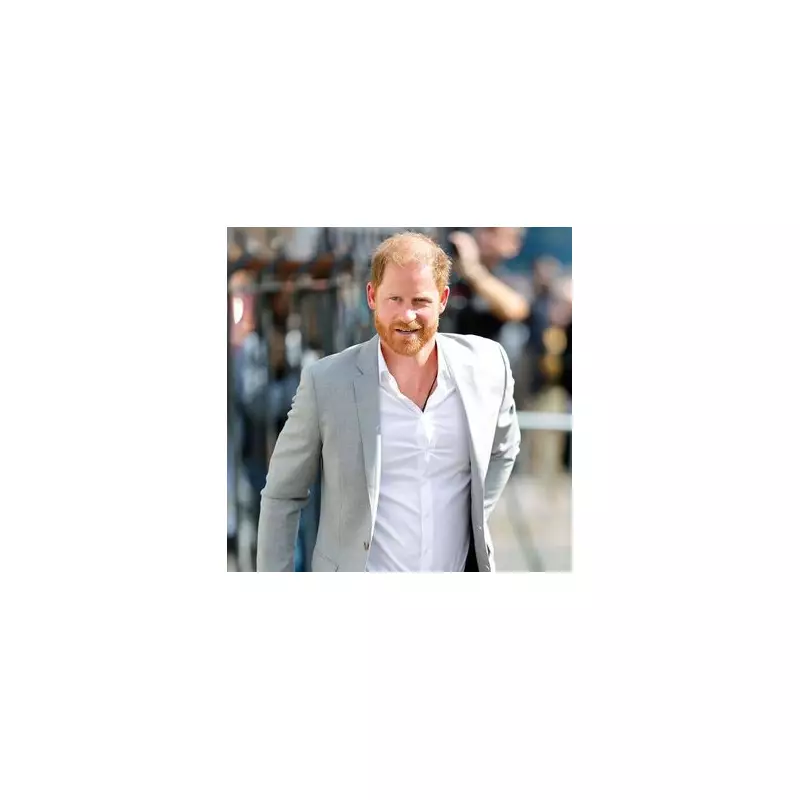
Three years ago today, the publication of Prince Harry's memoir, Spare, sent tremors through the House of Windsor and captivated a global audience. The book, released on 10 January 2023, contained a series of stunning allegations against senior royals, yet it also omitted or contradicted several of the most explosive claims previously made by Harry and Meghan Markle.
Claims That Vanished From The Narrative
Despite the memoir's candid nature, some of the couple's most headline-grabbing prior accusations were conspicuously absent. The most notable omission was the claim of racism within the monarchy. During their 2021 interview with Oprah Winfrey, the Sussexes alleged that an unnamed senior royal had expressed "concerns" about "how dark" their son Archie's skin might be. This prompted a rare public rebuttal from Prince William, who stated, "We are very much not a racist family."
In Spare, Harry did not revisit this incendiary claim. Furthermore, during a promotional interview with ITV's Tom Bradby, he appeared to backtrack, insisting he had never labelled his family as racist, attributing that characterisation to the British press instead.

Another significant claim that did not reappear was Meghan's assertion that she was prevented from seeking professional mental health help while experiencing suicidal thoughts. While Harry wrote movingly about finding his wife in distress and their subsequent attendance at a Royal Albert Hall engagement, the specific allegation that the institution blocked her from receiving care was not repeated in the book's pages.
Contradictions in Key Accounts
The memoir also presented accounts that seemed to clash with earlier versions of events. A prime example is the description of the pivotal Sandringham Summit in January 2020. In the couple's Netflix docuseries, Harry claimed Prince William left him "terrified" by "screaming and shouting" during the meeting.
However, in Spare, this dramatic confrontation is absent. Harry wrote instead that William was "subdued" and willing to listen, stating, "For the first time in a long time my brother heard me out, and I was so grateful." The only tension mentioned was William complaining about a negative newspaper story.
Confusion also arose around the couple's wedding narrative. Meghan told Oprah they were married in a private ceremony three days before their public Windsor wedding. Harry's memoir clarified this, describing the earlier event as an "unofficial, non-binding, except in our souls" exchange of vows in their garden.
Minor Discrepancies and A Potential Olive Branch
Further inconsistencies emerged in more personal anecdotes. The story of their first meeting shifted from a blind date, to a connection initiated via FaceTime (as shown in the Netflix series), to Harry's account in Spare of simply exchanging messages beforehand. A minor but noted contradiction involved Meghan's attire on that first date: Harry recalled a black sweatshirt and jeans, whereas Meghan has mentioned a blue dress, a piece of which was sewn into her wedding veil as her "something blue".
The memoir proved a commercial juggernaut, selling over six million copies. Notably, when an updated paperback version was released in October of last year, it contained no new chapters or significant updates. This was widely interpreted as a potential olive branch to King Charles and Prince William, suggesting a pause in the public airing of grievances.
Three years on, Spare remains a defining document of the modern royal rift. Its legacy is not just in the revelations it contained, but in the questions it raised about the evolution—and occasional contradiction—of the Sussexes' public testimony against the institution they left behind.