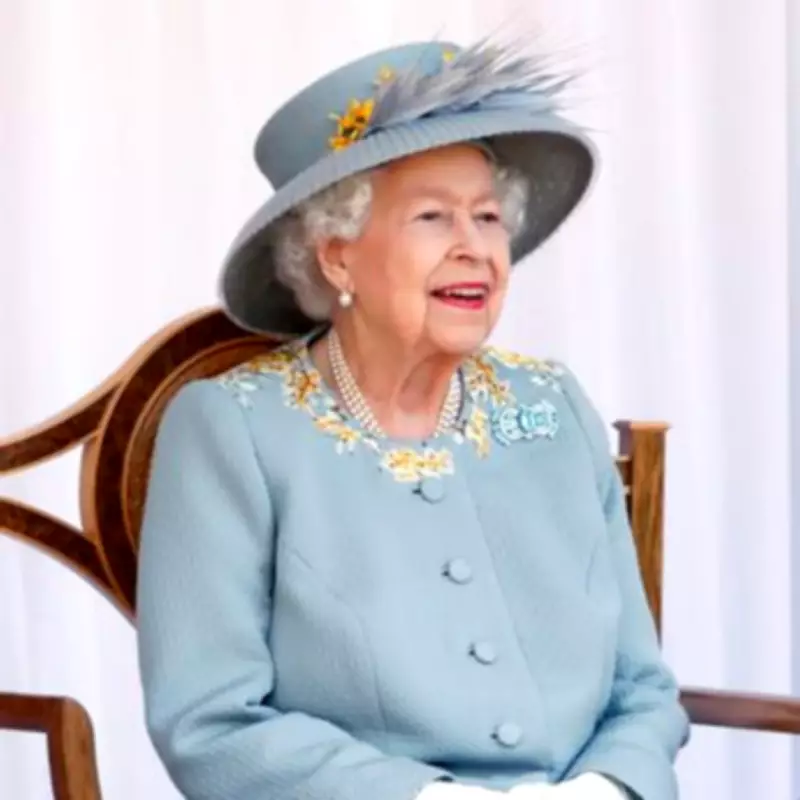
Jennie Bond Reflects on Queen Elizabeth II's Private Character
To commemorate the centenary of Queen Elizabeth II's birth, former BBC royal correspondent Jennie Bond, who covered the royal family for fourteen years during the turbulent 1990s, offers a personal glimpse into the late monarch's life. Bond recalls the Queen as a fundamentally shy individual who might have preferred a quieter existence as a farmer's wife, yet she wholeheartedly embraced her globally prominent role.
The Queen's Unexpected Sense of Humour and Public Persona
According to Bond, the Queen possessed a dry but mischievous sense of humour, often finding amusement in the minor mishaps of official engagements, such as car breakdowns or flight delays due to thunderstorms. This perspective likely stemmed from living a life that was meticulously planned and regulated, making such unpredictable moments a welcome relief.
Bond highlights the Queen's remarkable ability to navigate the delicate balance between family matters and her monarchical duties. She managed complex emotional situations, including her sister Margaret's desire to marry a divorced man and subsequent divorce, as well as the highly publicised breakdown of Prince Charles and Princess Diana's marriage. Even during her most difficult times, Diana expressed unwavering admiration for the Queen.

Intimate Glimpses and Historic Encounters
Jennie Bond travelled extensively with the Queen and met her frequently at Buckingham Palace and Windsor Castle, yet she describes the monarch as remaining somewhat enigmatic. The Queen's great skill lay in concealing her true thoughts and feelings from the public eye.
However, Bond cherishes the rare moments when she witnessed the Queen off-guard. One such instance was observing her apply lipstick without a mirror just before entering a palace reception room. Another memorable occasion was an invitation aboard the Royal Yacht Britannia in South Africa in 1995, marking the start of a significant visit that delighted President Nelson Mandela.
The Queen expressed genuine joy, noting it was her first return to South Africa since 1947, and she developed a deep friendship with Mandela, leading them to address each other by their first names, Elizabeth and Nelson.
Public Adoration and Enduring Legacy
Bond will never forget the immense crowds, reaching up to a million people, gathered outside Buckingham Palace for the Golden, Diamond, and Platinum Jubilees. These overwhelming displays of affection were both humbling and unexpected for the Queen.
She is remembered as a woman of quiet dignity who devoted herself entirely to her role and duty, often at the expense of her family life. Guided by deep faith and a belief in a God-given duty to serve her country until her dying day, she fulfilled this commitment unwavering.
The Continuation of Duty in King Charles III
Bond observes that this profound sense of duty is evident in King Charles III today. Despite health challenges and family turmoil involving Prince Andrew and Prince Harry, the King remains determined to fulfil his responsibilities and continue his mother's work. Bond believes the late Queen would approve of her son's approach to his reign.
King Charles has maintained the monarchy's dignity and the basic structure of royal life established by his mother, while simultaneously making it less remote, more approachable, and decidedly more huggable. This evolution aligns with the palace's longstanding principle of gradual change rather than revolution.
While this dynamic may shift when Prince William ascends the throne, Queen Elizabeth II's legacy remains profoundly influential in the current royal framework.