The spectacular finale of The Celebrity Traitors has not only provided unforgettable television moments but has also highlighted a profound shift in public trust away from Westminster and towards entertainment figures.
An Unforgettable Finale
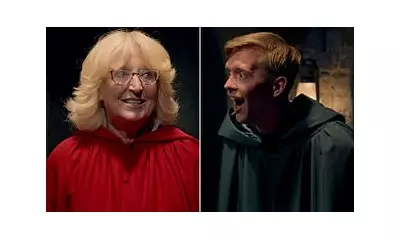
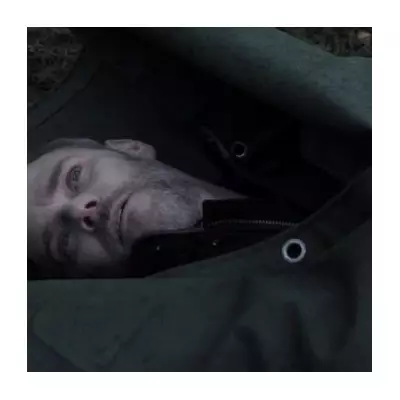
This week's conclusion to the BBC series was nothing short of magnificent, delivering two seismic television moments in quick succession. First, Nick's revelation that he had written fellow contestant Joe's name on his slate sent shockwaves through the audience. This was swiftly eclipsed just six minutes later when Alan Cumming unveiled his true role, confirming he had been a Traitor all along.
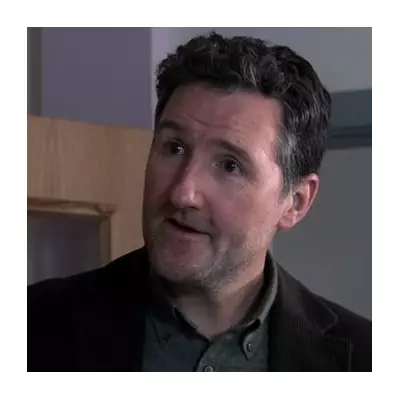
The series has transformed public perception of its participants, with Alan Cumming catapulting himself to national treasure status and rugby player Joe Marler leapfrogging multiple stardom categories in the public imagination. Even historian David Olusoga's experience paled in comparison to the political missteps of government ministers, finding himself only the second most spectacularly wrong David of the week.
The Political Reality Gap
What makes this series particularly remarkable is the complete absence of senior politicians attempting to co-opt its popularity for their own advantage. This represents a radical departure from the past two decades, where prime ministers and ministers became transfixed by reality television's cultural power.
During the genre's first explosive era, politicians genuinely believed they could borrow its techniques to succeed in their own trade. Now, it appears even they recognise that shows like The Celebrity Traitors serve as public escape routes in an age where political leaders offer few answers to pressing national issues.
Only one figure from reality television's golden age truly understood the genre's dynamics and meaning, successfully bending them to his will - and he now occupies the White House. Vladimir Putin similarly grasped its power, but in the anglophone world, politicians consistently misread reality television's significance.
A History of Political Missteps
The historical record reveals fascinating, if misguided, attempts by politicians to engage with popular culture. Former Prime Minister Gordon Brown was so convinced by his vision for an "X Factor Britain" that during the 2008 global financial crisis, he found time to write personal letters to all finalists of Simon Cowell's ITV talent show.
Even more astonishingly, Brown was approached to serve as a judge on a proposed BBC One show called "Junior PM," with producers promising to make him "more popular than Sir Alan Sugar." The Conservatives responded by giving Strictly Come Dancing host Bruce Forsyth a ticket to PMQs, where they repeatedly shouted "you're fired!" at the Labour leader.
By the David Cameron era, Simon Cowell's endorsement was considered so influential that the Sun splashed his backing for Cameron on election morning. Cowell himself became convinced that his shows had "given democracy back to the world" through local editions in fragile democracies like Afghanistan.
The Trust Deficit
Recent polling from Ipsos conducted before Celebrity Traitors aired provides stark evidence of the trust gap. The research found presenter Claudia Winkleman was trusted by 51% of respondents, compared to just 15% for Shadow Chancellor Rachel Reeves.
Comedian Jimmy Carr scored 50% on trust measures against Nigel Farage's 22%, underscoring how entertainment figures now significantly outpoll political representatives in public confidence.
The calibre of participants in prestige reality formats has also transformed dramatically. The Celebrity Traitors featured an impressive lineup, confirming the genre's evolution from a home for has-beens to a platform attracting respected public figures. Meanwhile, the high-profile institutions that attract lower-calibre individuals remain all too obvious to even the most wronged Faithful.