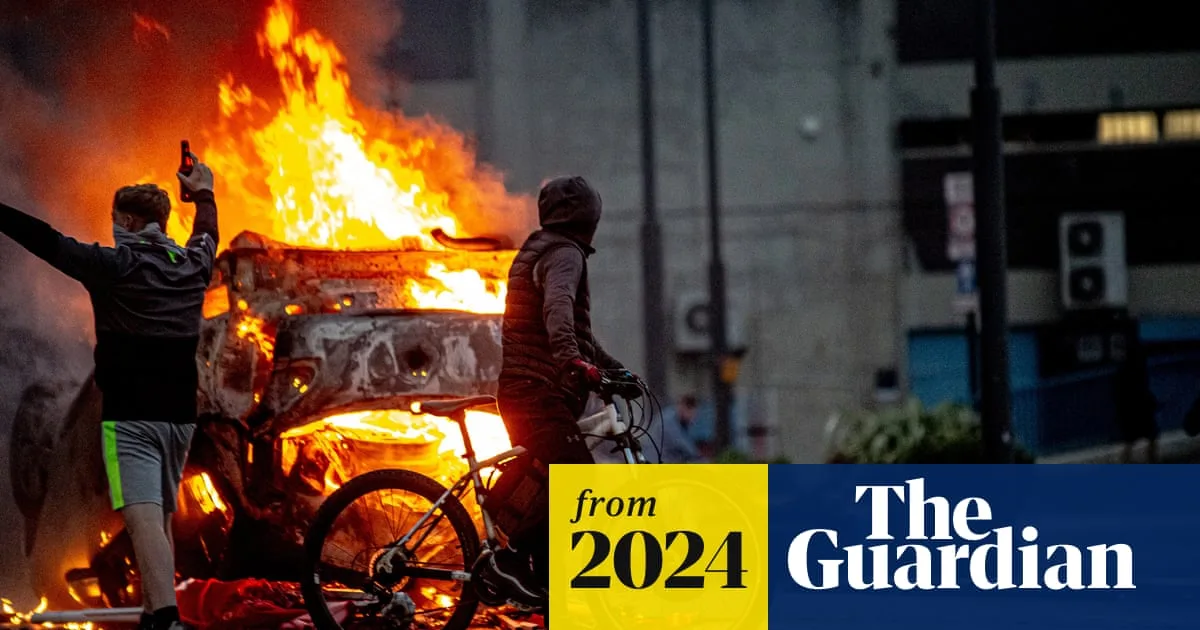
Social media algorithms must be altered to curb the spread of misinformation in the wake of the Southport riots, according to Ofcom’s chief executive. Melanie Dawes issued the warning in a letter to the Science Secretary, Peter Kyle, responding to the violent disorder that followed the killing of three girls in Merseyside.
Dawes noted that false information proliferated despite technology companies’ efforts, which she described as “uneven”. Posts from high-profile accounts reached millions of users, she said, underlining how algorithmic recommendations can amplify divisive narratives during a crisis.
Ofcom’s current proposals would oblige platforms to adjust algorithms to demote illegal or harmful content on children’s accounts. The watchdog found that some platforms were dealing with tens of thousands of posts, including from accounts with more than 100,000 followers, with some falsely identifying the attacker as a Muslim asylum seeker. There was, Dawes said, a clear connection between online activity and the violence seen on UK streets.
The regulator also highlighted the role of closed messaging groups, where calls for demonstrations targeting a local mosque circulated within two hours of a vigil for the victims, alongside lists of potential targets. Although Ofcom reminded firms of their existing responsibilities, it could not fully assess responses because the online safety bill has yet to be implemented. Nevertheless, it plans to take tougher enforcement action in future.
Once the bill becomes law, platforms will be expected to explain how they protect users from illegal hateful content, remove it swiftly – especially when viral – and provide robust complaints mechanisms. Ofcom said it would use the Southport case to strengthen requirements for crisis response protocols and close gaps in current legislation.