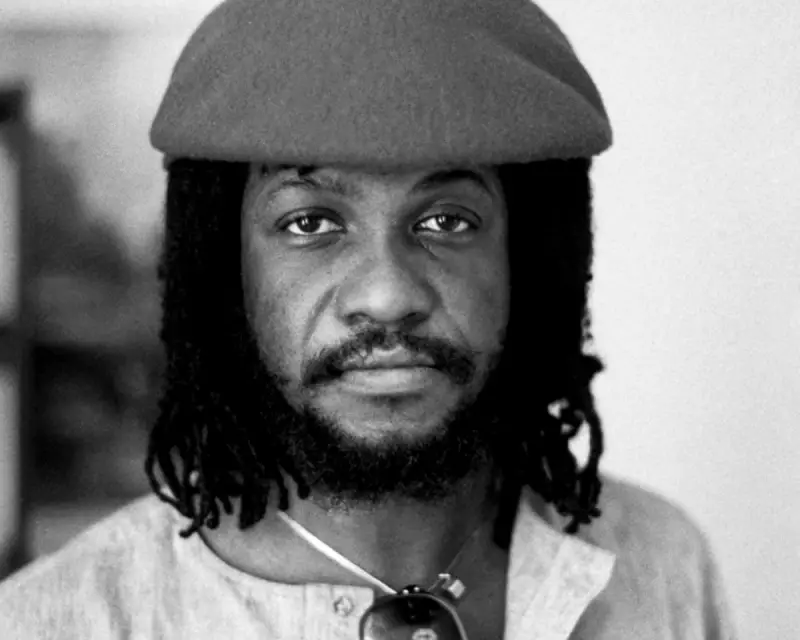
The music world mourns the loss of Lowell "Sly" Dunbar, the legendary Jamaican drummer and producer, who passed away at the age of 73. As one half of the iconic rhythm duo Sly and Robbie, his influence spanned decades and genres, leaving an indelible mark on reggae, pop, and beyond. In tribute, we delve into a selection of ten standout tracks that showcase his unparalleled skill and versatility.
Dave and Ansel Collins – Double Barrel (1970)
Dunbar's recording debut arrived in spectacular fashion with this early 70s reggae classic. While not his most technically flashy performance, his drumming is impeccably tight, with a light touch on the cymbals and precise fills. The single soared to number one in the UK, selling 300,000 copies despite limited radio play, marking an impressive start to his career.
The Mighty Diamonds – Right Time (1976)
This album helped popularise the "rockers" rhythm in reggae, cementing Sly and Robbie's reputation. The title track features a complex beat that deviated from the traditional "one-drop" style, so intricate that fellow drummers initially doubted it was played live, suspecting studio trickery. Dunbar noted that this style soon became established, revolutionising reggae drumming.

Junior Murvin – Police and Thieves (1976)
Here, Dunbar's drumming provides a solid foundation without Robbie, supporting Murvin's haunting falsetto over a shimmering, echo-laden track. His tight fills are masterful, and he also claimed involvement in Bob Marley's Punky Reggae Party, inspired by the Clash's cover of this song.
Culture – Two Sevens Clash (1977)
Dunbar contributed to one of the greatest roots reggae albums ever made. The title track, prophesying apocalyptic events on 7 July 1977, is driven by his rhythmic prowess, complementing Culture's powerful harmonies and Joseph Hill's impassioned vocals, creating a timeless piece of music.
Grace Jones – Pull Up to the Bumper (1981)
As part of the Compass Point Studios house band, Sly and Robbie redefined Grace Jones's sound. This track blends dub, disco, electro-pop, and post-punk into a unique fusion. Dunbar's drumming is magnificent, from martial snare bursts to a humid groove that merges reggae lope with dancefloor energy.
Bob Dylan – Jokerman (1983)
Recruited at Dylan's suggestion, Sly and Robbie brought a Jamaican spirit to Infidels. On this opening track, their light touch infuses biblical imagery with reggae influences, avoiding the clumsy attempts common among rock artists of the era, showcasing their adaptability as session musicians.
Gwen Guthrie – Padlock (1985)
Dunbar produced and programmed drums for Guthrie, with the Padlock EP standing out. Larry Levan's dub-influenced remix strips back the music, highlighting Dunbar's funky, unshowy drumming, so prominent that his name appears above the singer's on the sleeve.
Sly and Robbie – Boops (Here to Go) (1987)
Their biggest UK hit as artists, this track is cool and irresistible, featuring a laconic rap by Shinehead. With interpolations from Rossini and Ennio Morricone, it edges near sample-heavy hip-hop, backed by a rumbling funk rhythm that demonstrates their innovative production.
Chaka Demus and Pliers – Bam Bam/Murder She Wrote (1992)
On the album Tease Me, Sly and Robbie co-produced hits that crossed into pop. These tracks use a riddim with Dunbar alone, no bass, influenced by Indian tabla playing, which became ubiquitous in reggae that year, showing their willingness to experiment even in mainstream efforts.
From reggae foundations to pop crossovers, Sly Dunbar's legacy is a testament to his rhythmic genius and collaborative spirit, echoing through the tracks that defined an era.