Pappano's Theatrical Dream of Gerontius Electrifies Barbican with LSO
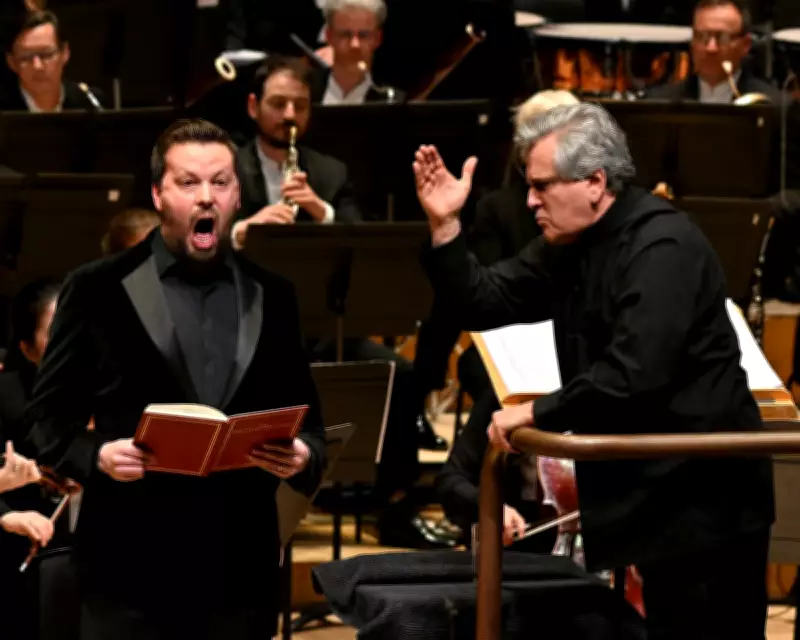
Antonio Pappano's dramatically charged interpretation of Elgar's religious oratorio, The Dream of Gerontius, landed with immense power at the Barbican in London, featuring a hair-raising performance from David Butt Philip as the titular soul. This complex work, which explores core tenets of the Roman Catholic faith, is set to music that transforms philosophical debate into a blaze of transcendent beauty, making it Elgar's most operatic score and one that thrives under a theatrical approach.
A Conductorial Mastery of Emotional Arcs
Pappano's rendition was marked by a keen sensitivity to the music's emotional journey. In the prelude, he amplified the Wagnerian ache and palpable sense of fleeting time, while elsewhere, he deftly pulled back to reveal Elgar's chamber-like textures with a gentle elasticity. His meticulous attention to the protracted expressive arc ensured that the twin climaxes—the great chorus of Praise to the Holiest and the soul's searing glimpse of the Deity—felt profoundly earned, as if the entire performance had been building toward these moments.
Standout Vocal Performances and Orchestral Brilliance
David Butt Philip delivered an intrepid portrayal of Gerontius, seamlessly transitioning from whispered head voice to heroic top notes, with his primeval cry of Take me away! proving particularly spine-tingling. Emily D'Angelo, as the Angel, offered a deeply moving performance with a polished mezzo, though occasional diction clarity was a minor issue. William Thomas impressed as both Priest and Angel of the Agony, his luxurious bass commanding over orchestra and chorus.

The London Symphony Orchestra fired on all cylinders, adeptly navigating Pappano's shifts in mood and tempo. Meanwhile, the London Symphony Chorus, under Mariana Rosas's scrupulous preparation, unearthed novel details from familiar textures, with pinpoint diction and thoughtful phrasing highlighting often-overlooked lines. However, the constricting Barbican stage led to a lack of ideal aural separation, as the semichorus was embedded within the main choir.
This performance underscored The Dream of Gerontius as a masterpiece that, in Pappano's hands, becomes a thrilling and transcendent operatic experience, blending religious depth with musical grandeur.