Odeal's Unconventional Path to R&B Stardom
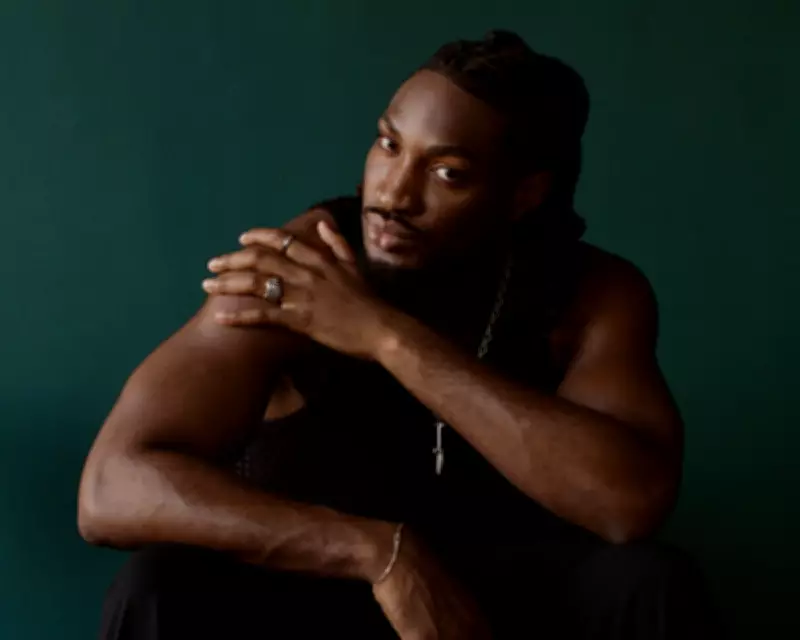
Hours before his debut performance at Brixton Academy in late March, British-Nigerian singer Odeal appeared remarkably composed, lounging backstage in casual attire. "I'm not looking at a crowd tonight," he remarked. "I'm looking at my people; aunties, uncles, friends, peers and supporters." This intimate perspective encapsulates the 26-year-old artist's unique position within the music industry—a figure celebrated by millions of global R&B enthusiasts yet operating largely outside mainstream recognition.
The Sound That Defies Categorization
Odeal's musical output resists easy classification, blending elements of R&B with Afrobeats, neo-soul, and contemporary pop influences. His 2025 sister EPs, The Summer That Saved Me and The Fall That Saved Us, explore emotional complexities rather than definitive conclusions about love. Through tracks like the popular Miami, where he sings "If you wanna heal, you've got to feel quicker," Odeal encourages listeners to embrace their conflicted emotions fully.
Born Hillary Dennis Udanoh in Germany, his childhood spanned Spain, south London, and Nigeria as his parents relocated for work opportunities. His musical dedication began at age thirteen, when he prioritized studio sessions over social activities and even sold his PlayStation to purchase essential equipment. "I've never made a sacrifice that wasn't in favour of music," Odeal states, crediting much of his discipline to his mother's example of working multiple jobs while maintaining family responsibilities.

A Life-Altering Health Crisis and Creative Independence
In November 2017, Odeal faced a near-fatal bout of septic shock from dormant malaria, an experience he describes as fundamentally transformative. This brush with mortality inspired him to establish his club night Ovmbr—named for the month he survived—which later provided the title for his 2020 debut mixtape Ovmbr: Roses. Shortly after its release, his major label dropped him, but Odeal viewed this setback as an opportunity rather than a defeat.
"I was very sure about what I wanted; a label was never the end or be all," he explains. Since then, he has cultivated his audience independently, securing only a publishing deal with Sony while maintaining complete control over his recordings. This autonomy, he believes, has preserved his artistic integrity: "A lot of the songs I have out probably wouldn't have come out, or there'd have been a lot of pushback. A lot of A&Rs push for hits. Do I lose myself in the process of trying to find that?"
The Brit Awards Omission and Industry Perspectives
Odeal's outsider status was highlighted at the recent Brit awards, where he was notably absent from the R&B category nominations despite being widely regarded as one of Britain's foremost talents in the genre. When questioned about this oversight, he responded diplomatically: "It doesn't bother me; everyone who was nominated deserved it." This exclusion reflects broader industry patterns where major label artists typically receive preference over independent musicians, and where R&B continues to be perceived as a niche interest within the UK market.
Asked whether his omission signals deeper systemic issues, Odeal pauses before offering a knowing smile that suggests withheld commentary. "Something like that. But I can never really take it personally. I've got my own goals. Awards are dope, but I want people in every corner of the world to relate to my music. When people come to shows, sing the lyrics and it's sold out, that's the award."
Global Collaborations and Expanding Influence
Odeal's collaborative network includes prominent American artists such as Leon Thomas, Justin Bieber, and SZA, while his Brixton Academy performance attracted a remarkably diverse audience spanning generations and cultural backgrounds. The event featured intimate dancing, enthusiastic sing-alongs, and even an Usher-inspired moment when Odeal invited a fan onstage during In the Chair, prompting widespread excitement throughout the venue.

The Ovmbr club night has evolved significantly over seven years, expanding to international festivals including Portugal's Afro Nation, Paris's Fête de la musique, and events in Lagos and South Africa. The creative team behind these initiatives primarily consists of individuals from Odeal's personal and professional circles, reinforcing his community-focused approach.
R&B's Creative Renaissance and Personal Philosophy
Odeal draws an intriguing parallel between contemporary R&B and historic Brazilian football, noting "the creativity, the skills, new tactics, it's so incredible to watch." However, he resists strict genre classifications, asserting that his music "isn't [in] a genre—it's a feeling." This philosophy manifested powerfully at Brixton, where audience members frequently overpowered the artist with their vocal participation.
As Odeal prepares for his upcoming arena tour supporting R&B superstar Summer Walker, beginning May 26th at Toronto's Scotiabank Arena, his journey exemplifies an alternative model of success. Whether the traditional music industry eventually acknowledges his contributions remains uncertain, but for Odeal, the profound human connection established through his art appears sufficiently rewarding. His story challenges conventional narratives about achievement in the creative fields, demonstrating that recognition can be measured through audience engagement rather than institutional validation.