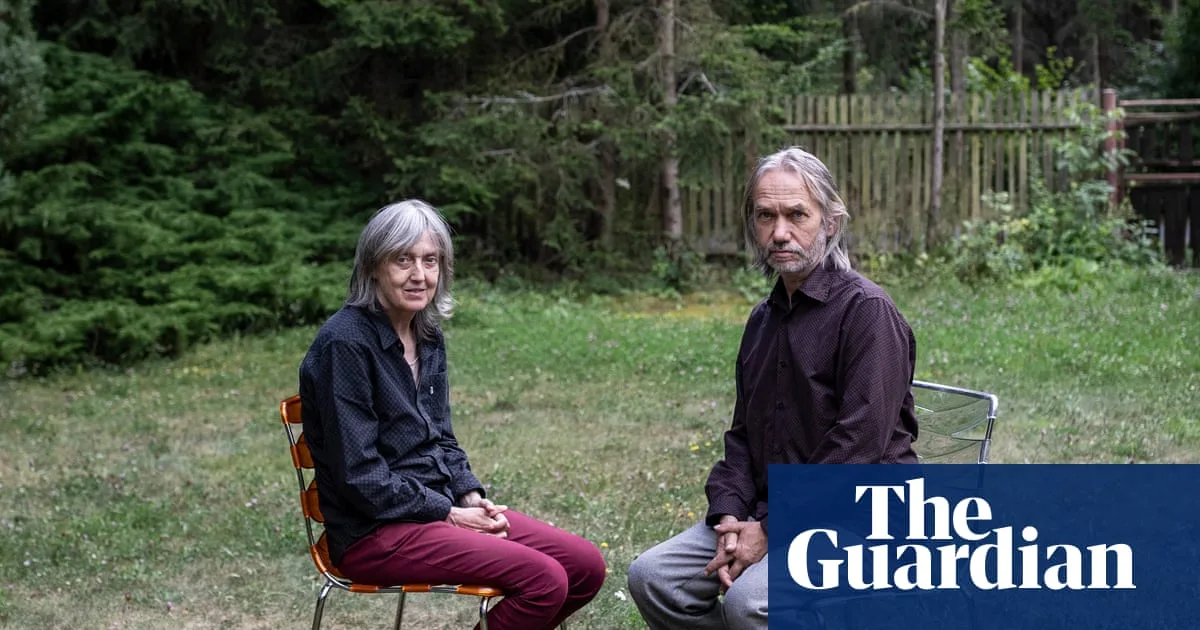
The Enigmatic Journey of Irena and Vojtěch Havlovi
In the former Czechoslovakia, a married musical duo, Irena and Vojtěch Havlovi, crafted a sound that defied time and political boundaries. From the mid-1980s, they merged minimalist composition, ambient textures, and folk traditions using baroque instruments, performing in Prague's churches and monasteries. Their music created a mysterious blend of modernism and old European styles, set against a communist backdrop. After the Velvet Revolution in 1989, the Havels did not rush to adapt to capitalism's pace. Instead, they toured Europe by rail and bus, describing themselves as "pilgrims who wander and play," as Vojtěch noted in a 2009 documentary by Vincent Moon.
A Symbiotic Musical Partnership
The couple viewed their art as a service to music, focusing on the energy shared with audiences. Irena explained, "Something that can only be shared together, going through us, when the ego is a little asleep." Their performances, whether on string instruments or minimalist piano etudes for four hands, showcased a symbiotic connection that captivated listeners. Bryce Dessner of the National became a devoted fan, stating, "They opened my mind to a different world of music, similarly to Steve Reich." In 2013, Dessner honored them with a composition titled Little Blue Something, referencing their 1991 album Little Blue Nothing, which profoundly influenced his musical journey.
Rise to Recognition and Mysterious Deaths
A 2021 archival collection, Melodies in the Sand, brought the Havels long-overdue recognition as their career neared its end. However, they maintained an aura of mystery. In late March 2026, it was discovered that Irena had died in October at age 66, nearly a year after Vojtěch's unexpected death from heart failure at 62. The curator of the Czech Republic's Anděl awards found Irena's name on a royalty agency list, initially thinking it was an error. Upon contacting their label, Animal Music, Irena's brother confirmed her passing, revealing her last wish was to "disappear in silence," dedicated solely to music until the end.
Early Years and Musical Evolution
The Havels met in 1983 when Irena, a natural sciences student drawn to music, sought to learn cello, and Vojtěch had just graduated from Prague's conservatory. They joined the experimental ensemble Capella Antiqua e Moderna, which introduced them to the viola da gamba and taught them how their intertwined sounds resonated in various spaces. Later, they collaborated with folk musician Oldřich Janota, learning to play tenderly and softly. Post-1990, they became part of Czechoslovakia's esoteric underground, alongside artists like Jaroslav Kořán and Vlastislav Matoušek.
Spiritual Influences and Global Impact
With newfound freedom after the revolution, the Havels, already yoga-practicing vegetarians, traveled to ashrams in India and studied Hinduism, infusing their music with Tibetan bowls and Indonesian gamelan on albums like Mysterious Gamelanland. Vojtěch once noted, "Bach and all those masters use minimalistic loops in their compositions... Early baroque music is slightly similar to Indian ragas." Their music reached global audiences, with Dessner recalling how his sister discovered them busking in Copenhagen, bringing their album home to Ohio, where it became a soundtrack to their teenage years.
Legacy and Lasting Influence
Despite growing acclaim abroad, the Havels remained relatively obscure in the Czech Republic, living ascetically and performing in tea rooms and yoga retreats. They resurfaced with award-winning music for the 2017 film Little Crusader, earning a Czech Lion award. In 2024, they released Four Hands, their first original album in over a decade, featuring gentle minimalist cycles. Collaborators like Václav Havelka praised Vojtěch's cello for its deep concentration and attentiveness. The duo's pilgrimage may have ended, but their spiritual, humane music continues to inspire, with Adela Mede noting, "Playing music was for them like breathing."