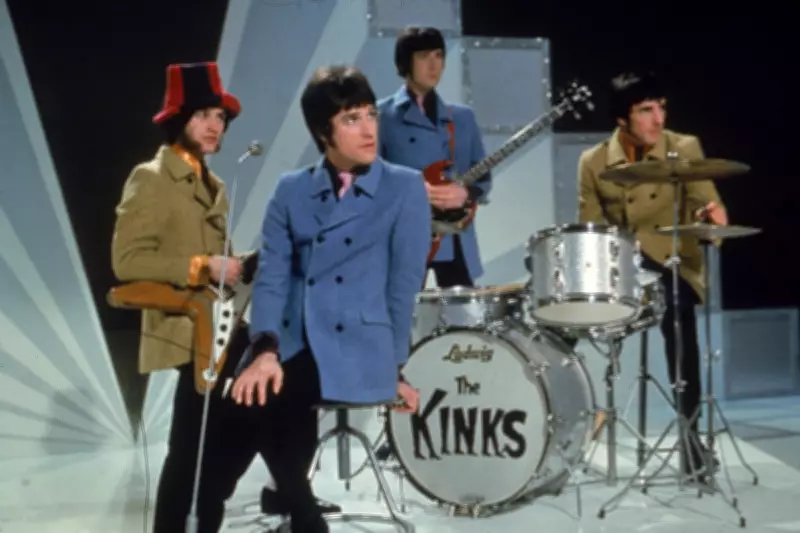
Dave Davies, the legendary guitarist of The Kinks, has issued a firm response to musician Moby's recent criticism of their iconic 1970 track "Lola", urging him to "be careful what he says". Moby had described the song's lyrics as "gross and transphobic" after encountering it on a Spotify playlist, labelling them as "unevolved" in a public statement that sparked controversy.
Defence of a Classic Song
In his defence, Davies strongly denied any transphobic intent behind "Lola", emphasising The Kinks' long-standing appreciation and support for the LGBT+ community. He pointed out that the band has always championed inclusivity and diversity throughout their career, making the accusation particularly hurtful.
Inspiration and Context
"Lola" was written by Ray Davies, Dave's brother and the band's frontman, and was inspired by a real-life encounter at a nightclub. The song draws from the trans individuals and drag queens that The Kinks were familiar with in the Soho area of London during that era. Ray Davies has previously stated that the song was written out of "admiration" for these individuals, aiming to bring a subject that was often kept quiet into the public spotlight.

Support from Trans Icon
Adding weight to this defence, trans icon Jayne County has praised "Lola" for its role in breaking down barriers and bringing a "hush hush subject to the forefront" of popular music. County highlighted how the song helped to normalise discussions around gender identity and expression at a time when such topics were rarely addressed in mainstream media.
Broader Implications
This incident raises questions about how classic works of art are reinterpreted in modern contexts, especially regarding social issues like gender and identity. While Moby's criticism reflects contemporary sensitivities and evolving language around trans rights, Davies' response underscores the original intent and historical context of the song.
The debate also touches on the importance of understanding artistic expression within its time period, without dismissing the valid concerns of present-day audiences. As discussions continue, "Lola" remains a significant piece of music history, celebrated for its catchy melody and now, its contested legacy in the ongoing conversation about representation and respect.