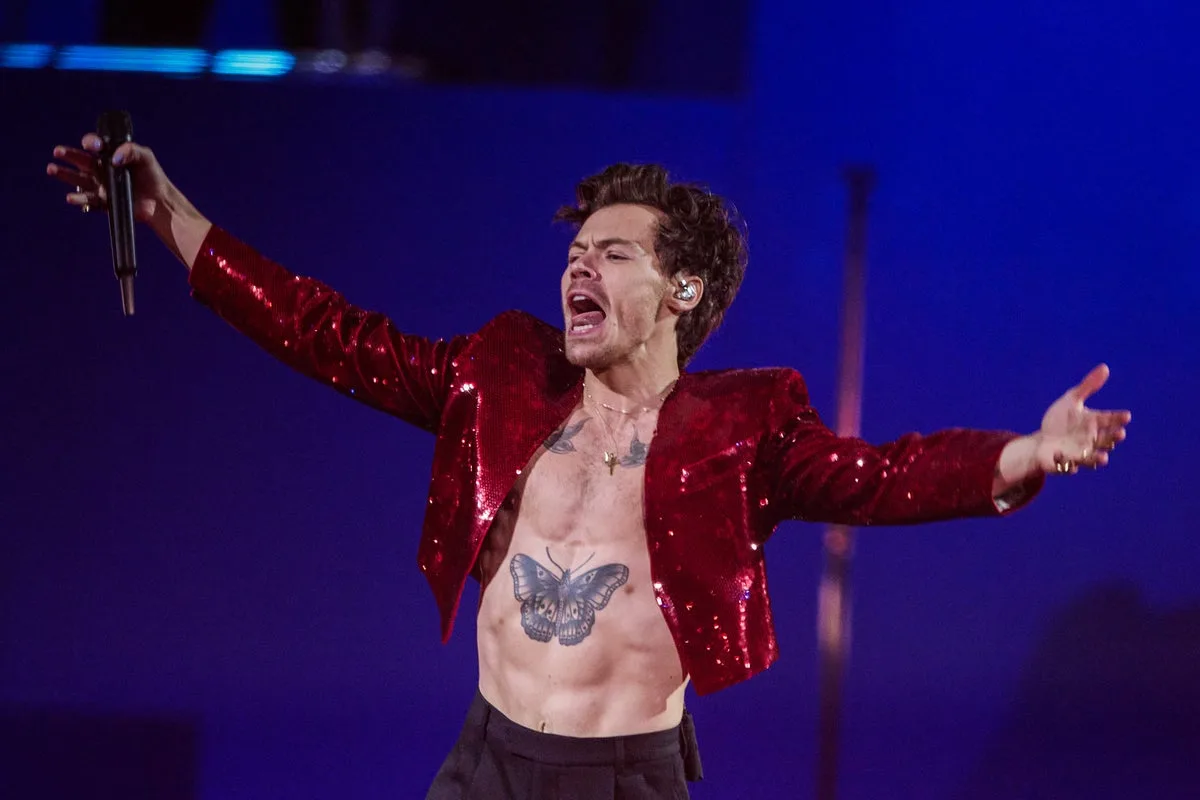
Harry Styles Ticket Prices Spark Outrage as Fans Decry 'Week's Wages' for Concerts
Fans Furious Over Harry Styles Tour Ticket Prices

'A Week's Wages for a Ticket': Readers Express Fury Over Soaring Concert Tour Prices

Harry Styles's latest tour ticket prices have ignited a firestorm of criticism from The Independent's community, with numerous readers declaring that escalating costs are making live music generally unattainable for ordinary fans. The widespread sentiment urges music lovers to bypass expensive stadium shows and instead champion smaller, local performances to preserve accessibility.

Nostalgia for Affordable Shared Experiences

There is a palpable sense of nostalgia among readers for an era when attending gigs felt like a communal cultural event rather than an exclusive luxury purchase. Many reminisced about seeing major musical acts in previous decades for what amounted to just a few evenings' wages. This stands in stark contrast to contemporary pricing, where one commentator noted that a single ticket can now demand the equivalent of an entire week's work.

"Going to a concert used to feel like a shared joy, not a luxury purchase," lamented one reader. "Now, the thrill is overshadowed by eye-watering prices that feel less like access fees and more like outright extortion."

The Economic Shift Driving Tour Costs

A significant point of discussion centres on the fundamental economic changes within the music industry. With the dramatic decline in physical record sales and the comparatively low revenue generated from streaming platforms, touring has emerged as the primary income source for many artists. As one reader insightfully noted, "The problem is of our own making. No money in record sales, so now they try to make it on the shows. It used to be that a band played live to promote an album. Now they make an album to promote the shows."

While independent artists like Harry Styles retain control over their copyright, those signed to major labels may see a substantial portion of touring revenue diverted to the record company, further complicating the financial landscape.

Frustration with Ticketing Systems and Corporate Practices

Anger is not solely directed at artists. Readers extensively criticised ticketing giants like Ticketmaster, dynamic pricing models, and excessive service fees for exacerbating the problem and creating a negative purchasing experience. "Corporate greed has crept into every corner," argued one contributor, highlighting inflated base prices and systems perceived as designed to "squeeze fans dry."

Personal anecdotes underscored the real-world impact. One lifelong music fan in their 60s revealed having to miss several beloved artists recently, citing prices that equated to "the price of a week's holiday abroad for two tickets." Another compared past gigs costing two or three evenings' pub work to the current scenario where seeing Harry Styles could require seven nights' wages.

Community Calls for Action and Alternative Solutions

In response to the crisis, The Independent's community proposed several solutions:

  • Support Local and Smaller Gigs: Many urged fans to discover and fund emerging artists at intimate venues, where tickets remain reasonably priced and the experience is often more engaging.
  • Vote with Your Wallet: A pragmatic view suggested simply not attending prohibitively expensive shows. "If the costs are too high, don't go... support the local scene," advised one reader.
  • Prioritise Affordability Over Spectacle: Some questioned whether massive, costly productions are necessary, suggesting fans might prefer "a little less spectacle and a little more affordability," especially in the current economic climate.

Readers shared positive examples of value, such as a £29.50 ticket for a rising singer or a past hip-hop festival featuring major acts for £60, described as "absolutely amazing value." The overarching message is clear: while the economics of music have changed, the community yearns for a return to a time when live music felt inclusive, fairly priced, and focused on the shared joy of performance.