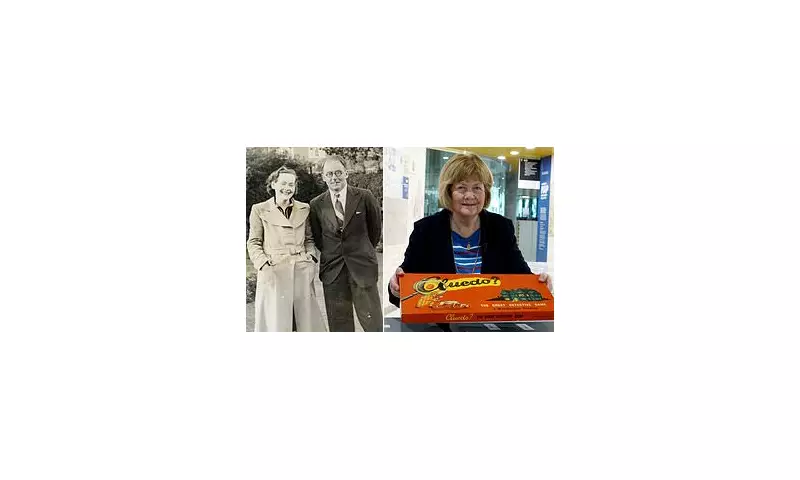
The man who created one of the world's most beloved board games, Cluedo, sold the rights for a life-changing fortune for just £5,000, his daughter has revealed.
A Wartime Invention Born in Birmingham
Anthony Pratt, a professional musician, first conceived the idea during the blackouts of World War II. While confined to the kitchen of his Birmingham home, he began working on a game he initially called 'Murder'. His inspiration came from his experiences performing in grand country hotels and stately homes, combined with a shared love of detective fiction with his wife, Elva, who designed the iconic board.
The couple were avid fans of Arthur Conan Doyle's Sherlock Holmes and Agatha Christie's mysteries. What started as a side project to generate possible income during testing times became the foundation for a global phenomenon.

The £5,000 Decision and Lasting Legacy
Despite the game's release in 1949 and its subsequent rise to become the second best-selling board game of all time after Monopoly, Pratt sold the rights to the game for a one-off sum of £5,000 in 1965, long before its peak of global success.
His daughter, Marcia Lewis, a 72-year-old retired civil servant living in Glamorgan, Wales, stated that her phlegmatic father did not regret the financial blunder. She said he was content with having created something that brought 'happiness and joy' to millions of families.
'I'm obviously very proud of what my mum and dad helped to create - it has become a part of people's culture in 40 countries,' Ms Lewis said. 'It has brought families together for generations... In the end I think my dad was just proud of what he achieved and wanted to be remembered as creating something which has brought so much joy and entertainment instead of somebody who just made a lot of money.'
How Cluedo Nearly Looked Very Different
The classic whodunnit, where players deduce the murderer, weapon, and room from a set including Colonel Mustard and a candlestick, nearly had a very different lineup. Early prototypes featured characters with names like Colonel Yellow, Mr Brown, and Mrs Silver, and weapons including an axe, a bomb, and a syringe.
Pratt was able to pitch his idea to Waddingtons - the company that patented the game - thanks to his neighbour, Geoffrey Bull, who had contacts there. Waddingtons made key changes, such as renaming Colonel Yellow to Mustard because yellow was associated with cowardice and deemed unfit for a military man.
Since its launch, more than 150 million copies of Cluedo have been sold worldwide. It has spawned numerous editions, books, computer games, a film, and even inspired modern TV shows. Ms Lewis has now donated an early version of the game, along with letters and memorabilia, to the Birmingham Museum and Art Gallery, cementing her father's legacy in the city where it all began.