CBGB's Punk Legacy Celebrated 50 Years On With New Box Set Release
Fifty years after the explosive rise of punk music, the legendary New York venue CBGB is being honoured with a special four-CD box set. This release marks the club's heyday as a cultural hotspot, where iconic acts such as The Ramones, Blondie, Talking Heads, and The Damned took to the stage and forever altered the musical landscape.
The Gritty Birthplace of a Musical Revolution
Despite its iconic status in music history, CBGB was far from glamorous. Located on the Bowery, one of New York's least safe streets, the club was described by Rat Scabies of The Damned as having sawdust-covered floors and a foul odour. The venue featured cobweb-laden ceilings, graffiti-drenched dressing rooms, and notoriously filthy toilets, yet it became a sanctuary for misfits and outcasts.
Music writer Rob Tannenbaum, who compiled the box set, reflects: "If you were a weirdo, an outcast, a misfit, this was your home; a place where the oddballs gathered to encourage one another. Now, alternative culture is no longer the alternative. It's been integrated into the mainstream, not just in music, but in all of the arts."

Founding and Early Days
CBGB, which stands for Country, Bluegrass, Blues & Other Music For Uplifting Gourmandizers, was founded by former marine Hillel 'Hilly' Kristal in 1973. A trained violinist with experience in folk clubs and jazz venues, Kristal leased 315 Bowery, reasoning that in such a downtrodden area, noise complaints would be minimal. The club quickly gained a reputation as a hotbed for original music, with a strict booking policy that prioritised innovation.
Rob Tannenbaum notes: "New York was at its ugliest and most desperate financially; an era when it was at its dirtiest, grimiest. People who were there talk about stepping over dead or passed out bodies in front of CBGB."
Iconic Performances and Cultural Impact
From its early days, CBGB attracted groundbreaking artists like Television and Patti Smith, often called the 'Godmother of Punk'. The Ramones made their debut in 1974, while audiences included legends such as Lou Reed, Iggy Pop, and David Bowie. The club's influence extended beyond music, inspiring Sex Pistols manager Malcolm McLaren with its punk aesthetic of torn clothing and spiky hair.
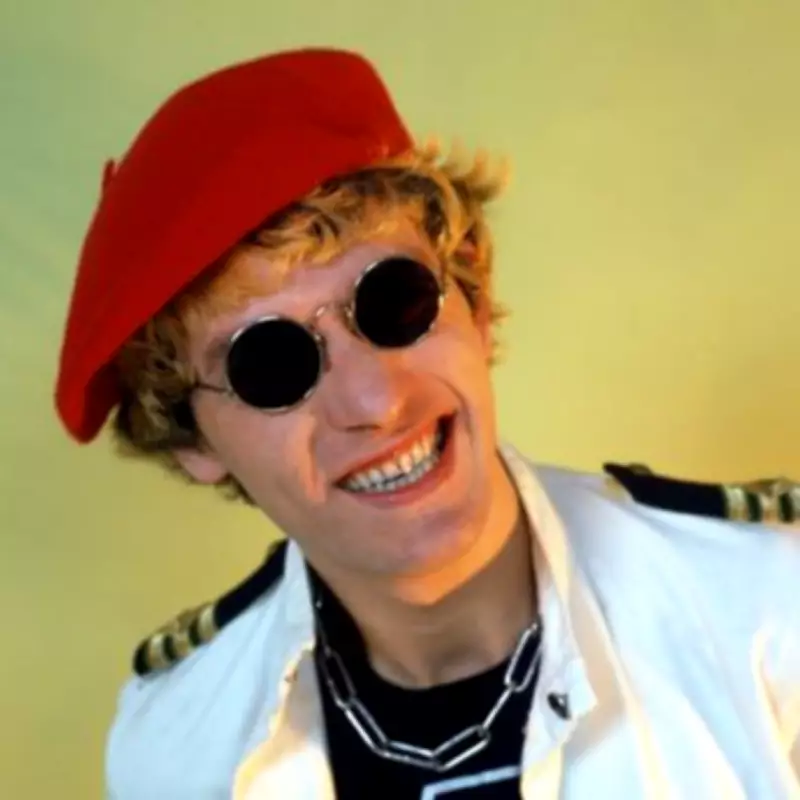
Rat Scabies recalls the chaotic energy of their 1977 gig, the first by a British punk band at CBGB: "Did we feel like ambassadors? Kind of - but we were only interested in making an impact in the birthplace of punk." Captain Sensible adds: "We were young and snotty and the girls seemed to like our London accents. At a time when international travel was comparatively new, I guess we were ambassadors for our country - but probably not good ones."
Closure and Lasting Legacy
CBGB closed in 2006 after 33 years, with Patti Smith performing the final show. The site has since been replaced by a designer fashion store, a move Captain Sensible criticises: "I can't believe the short sightedness of New York in not keeping the club open as a shrine for punk fans around the world."
However, the club's legacy endures through its music and the bands it nurtured. The Damned, for instance, will perform a 50th-anniversary show in London on April 11. Rob Tannenbaum emphasises CBGB's historical significance: "The Club’s place in history is huge. First, the music was incredible. It was also the home of The Ramones, who invented punk, but thirdly the diversity to be found there was incredible."
He highlights that beyond the well-known white, male bands, CBGB fostered a diverse array of artists, including women, Black, Asian, Latino, gay, and trans performers, making it a precursor to modern safe spaces. The box set, titled *CBGB & OMFUG: A New York City Soundtrack 1975-1986*, aims to memorialise this rich, often overlooked history, featuring lesser-known acts that contributed to the scene.
As Rat Scabies humorously concludes: "If I could step back into CBGB for one night in its heyday, would I do anything differently? Yes - I wouldn’t have eaten the pizza!"