Austen Scholars Weigh In on 'The Other Bennet Sister' Fan Fiction Drama
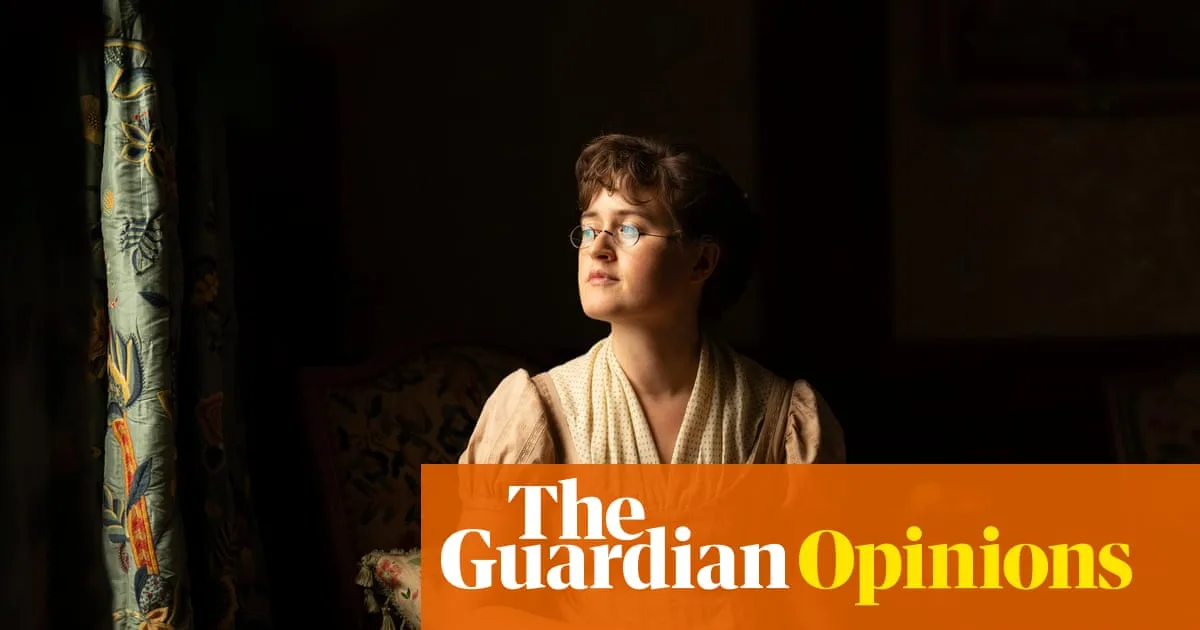
As the BBC One drama The Other Bennet Sister continues to captivate audiences, Jane Austen academics have offered their insights into the world of Pride and Prejudice fan fiction and adaptations. The series, which premiered earlier this month, reimagines Austen's classic novel from the perspective of Mary Bennet, portrayed by Ella Bruccoleri.
Divergent Views on Modern Spin-Offs
While some fans have criticised the adaptation for straying too far from Austen's original work, scholars appear more open-minded. John Mullan, Professor of English Literature at University College London, expressed a preference for spin-offs over direct adaptations.
"In some ways I think the Jane Austen spin-offs interest me more than the Jane Austen adaptations actually," Mullan told The Independent. "They are always somebody's take on Jane Austen, and because they're spin-offs, I don't have to watch them flinching at all the things that they've got wrong."
Mullan emphasised that Austen's legacy remains secure regardless of reinterpretations: "The bottom line is – Jane Austen will survive it all."
Academic Perspectives on Fan Fiction
Janet Todd OBE, Cambridge professor and author of Living with Jane Austen, acknowledged fans' creative liberties while noting potential pitfalls. "She's a national treasure and I think you can do with it what you want," Todd stated. "I think the danger is if people mistake it for the actual Jane Austen novel and assume that it's very similar to it."
Dr John Lennard, an English Literature scholar, highlighted the educational value of fan fiction. "We spend our time trying really hard to get kids to be interested in reading classical literature and respond to it in writing – well, here are all these kids who are reading classical literature or other literature and responding to it in writing, and sometimes quite well," he observed.
Mary Bennet's Transformation
The portrayal of Mary Bennet in The Other Bennet Sister represents a significant departure from Austen's original characterisation. Where Austen presented Mary as socially awkward and attention-seeking, the BBC adaptation offers a more sympathetic interpretation of the overlooked sister.
Todd attributed this shift to contemporary sensibilities: "Pride and Prejudice mocks the 'blue stocking' woman – we'd call her now a classroom swot or a nerd – but we live in a much gentler, sentimental times than Austen and we no longer mock that type."
Mullan noted that modern feminist readings have influenced how characters like Mary are perceived today. "Readings over the recent decades have sided in a feminist way with one of those characters in the novel who's actually laughed at – Mrs Bennet, Mary Bennet, Charlotte Lucas," he explained. "But that's entirely to do with us, it's nothing to do with Jane Austen."
The Enduring Appeal of Pride and Prejudice
Scholars reflected on why Austen's work continues to inspire countless adaptations and fan fiction pieces centuries after publication. Todd identified the novel's romantic formula as key to its lasting popularity.
"It's the absolute romance, isn't it?" she remarked. "The formula is a winning one and it goes on through just about everything – whether it's Daphne du Maurier and Georgette Heyer's work or even Fifty Shades of Grey. It's a female fantasy and it's a very strong one."
Lennard noted the proliferation of Austen-inspired fiction, particularly focusing on Elizabeth and Darcy. "There is a lot of Jane Austen fic," he said. "Although 95 per cent of it is Elizabeth and Darcy because they're the sexy ones and a lot of the rest is Jane, sometimes Bingley depending on how people feel about him being a spineless twit – but the others have all received attention."
Historical Context of Austen Adaptations
The Other Bennet Sister marks the first Pride and Prejudice spin-off to air on BBC One since the 2013 adaptation of P.D. James' Death Comes to Pemberley. However, Lennard stressed that fan fiction inspired by Austen's novel has been growing since the early 20th century.
The academic community's relationship with such works remains complex. While some scholars maintain traditional reservations, others like Lennard embrace fan fiction as a legitimate engagement with classical literature. "I have no problem with it – I'm interested in it," he confessed, revealing he has been reading fan fiction for two decades.
As debates continue about faithfulness to source material versus creative reinterpretation, Austen scholars generally agree on one fundamental point: the author's work possesses remarkable resilience that transcends any single adaptation or spin-off.