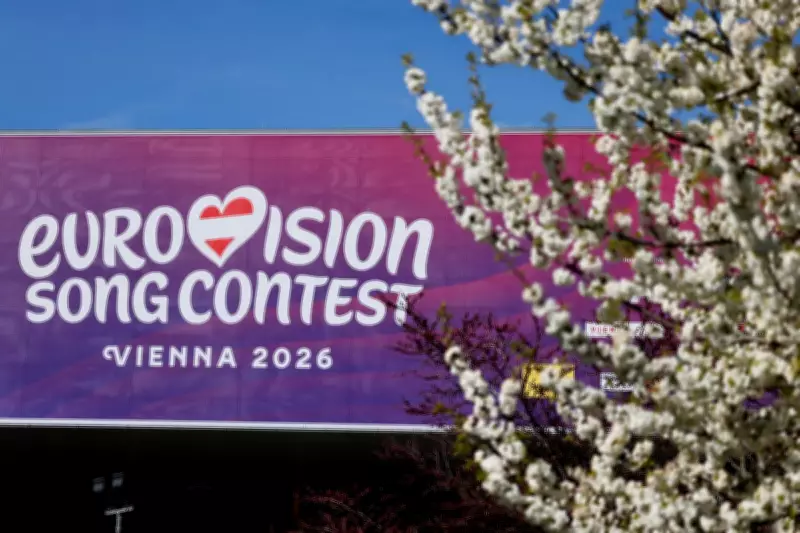
In a significant cultural protest, over 1,000 prominent artists have united to call for a boycott of the 2026 Eurovision Song Contest. The open letter, spearheaded by campaigns such as No Music for Genocide and the BDS movement, targets the European Broadcasting Union (EBU), demanding the exclusion of Israeli public broadcaster KAN from the competition.
Artists Take a Stand Against Israeli Participation
Signatories of the letter include renowned figures like Paul Weller, Massive Attack, Paloma Faith, Kneecap, and Brian Eno. They express a firm refusal to be complicit in what they describe as Israel's 'genocide, siege and brutal military occupation against Palestinians'. This collective action highlights growing dissent within the entertainment industry over geopolitical issues, with artists leveraging their influence to pressure international bodies.
EBU's Defiant Response and Historical Context
The EBU has consistently defended its decision to allow Israel to participate in Eurovision, despite banning Russia from the contest in 2022 following its invasion of Ukraine. The organisation has stated that it will not hold a further vote on Israel's involvement in the 2026 edition, emphasising its commitment to maintaining the event as a non-political platform. This stance has sparked debate over consistency in the EBU's policies regarding participant eligibility based on international conflicts.

New Voting Rules Introduced for 2026 Contest
Amidst the controversy, the EBU has announced new rules for the 2026 Eurovision Song Contest, limiting viewers to a maximum of 10 votes each. This change comes in response to accusations that the Israeli government encouraged its citizens abroad to influence previous voting results, raising concerns about fairness and integrity in the competition. The adjustment aims to enhance transparency and prevent potential manipulation, though it may also impact viewer engagement and the overall dynamics of the contest.
The boycott call and the EBU's response underscore the complex interplay between art, politics, and global events, with Eurovision serving as a focal point for broader societal debates. As the 2026 contest approaches, the situation remains fluid, with potential implications for artist participation, audience viewership, and the future governance of international cultural events.