Annea Lockwood: A Life Devoted to the Music of Everyday Sound
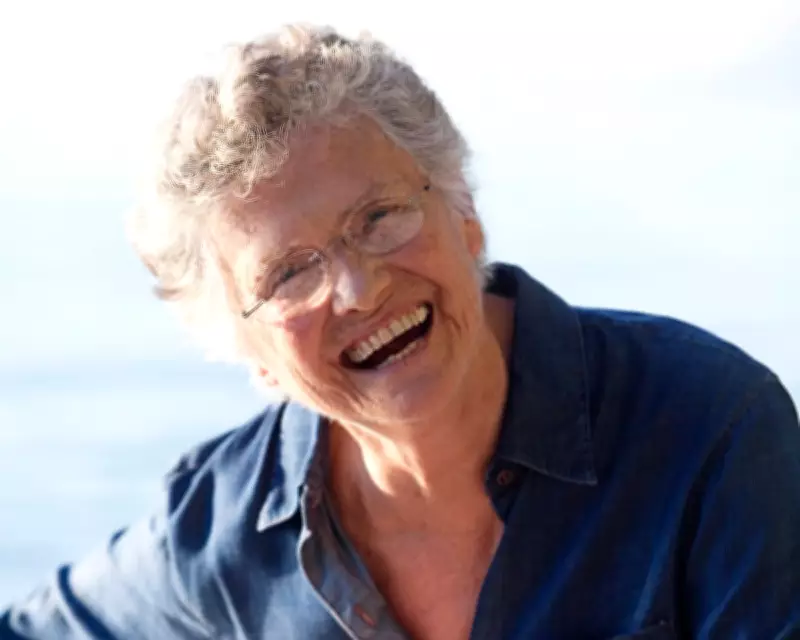
In a garden at Glasgow's Counterflows festival, a broken upright piano stands tilted, partially buried in the earth. Annea Lockwood, the 86-year-old experimental composer from New Zealand, sweeps her hand across its exposed strings, producing a metallic clang that brings a smile to her face. "Great piano!" she exclaims, inviting others to join in, using garden debris to create strange, resonant noises. This scene is emblematic of Lockwood's decades-long career, where she has transformed instruments through burial, burning, and drowning, all in pursuit of uncovering the hidden music within destruction.
From Glass Concerts to Piano Burnings
Lockwood's journey began after she moved to the UK and completed her music degree at the University of Canterbury in 1961. Dissatisfied with the "dead sound" of electronic music she encountered in Europe, she turned to environmental sounds, captivated by their complexity and instability. Her early work, The Glass Concert in 1966, involved amplifying glass objects as they were played or shattered. In a memorable BBC interview, a young Lockwood smiled before smashing a towel-wrapped object through a windowpane, a bold statement that set the tone for her radical explorations.
This led to her iconic 1968 piece, Piano Burning, where she set an old piano alight to record the sounds of splitting wood and popping strings. Using asbestos-wrapped microphones—a practice she now laughs off as "innocent times"—the first recording was disrupted by chattering bystanders, prompting a second attempt at night. "It was even more beautiful in the dark," she recalls, describing how balloons fastened to the piano popped in the flames. Afterwards, she and friends held a seance for Beethoven, calling out "Ludie? Ludie?" and capturing a strange sound on tape. This piece continues to inspire, with experimental rap trio Clipping creating a 2019 version that Lockwood praises as "the most beautiful recording."

Natural Transformations and River Maps
Lockwood's curiosity extended to natural processes modulating instruments, as seen in 1969's Piano Garden, where she "planted" pianos to observe how their sounds changed as plants grew through the mechanisms. At Counterflows, she revived this concept, reflecting on how an old man once played Für Elise on one of these pianos, producing a beautifully out-of-tune melody. Her work also includes ambitious projects like A Sound Map of the Danube, for which she travelled along Europe's second-longest river, collaging recordings of wildlife and local communities, asking people, "Could you live without it?"
Another significant piece, World Rhythms, originally from 1975, mixes recordings of earthquakes, volcanoes, geysers, and human biorhythms. A new expanded version, revised by Lawrence English, reveals even more of these collected sounds. Lockwood imagined "hearing all the world rhythms folded into one enormous rhythm," a concept born from a lakeside conversation with her partner, Ruth Anderson.
Personal Connections and Tragic Echoes
Lockwood's personal life deeply influenced her art. She met Ruth Anderson in 1973, after being introduced by fellow experimentalist Pauline Oliveros. "Ruth and I fell for each other right off the bat," Lockwood says wistfully. They collaborated on private pieces like Conversations, which collaged snippets of their phone calls with old love songs, intending to listen back when they grew old. After Anderson's death in 2019, Lockwood rediscovered this piece and combined it with field recordings from their favourite nature spots into For Ruth, creating an intensely poignant tribute.
Her recent work, On Fractured Ground, features recordings of Belfast's peace walls, which divide Catholic and Protestant neighbourhoods. Collaborating with Pedro Rebelo, she captured sounds by running a leaf's stem across the walls, producing beautiful high notes. However, Lockwood's smile fades as she reflects on the tragedy encased in these sounds. "I started doing a lot of reading around the Troubles," she says, moved by stories like the Battle of the Bogside. For her, the unrecognisability of these sounds encourages more intent listening, a form of meditation that she finds nourishing.

A Legacy of Listening
Throughout her career, Annea Lockwood has devoted herself not just to making sound, but to encouraging deep listening. Whether through burning pianos, mapping rivers, or recording walls, her work invites audiences to focus their attention on the music inherent in everyday environments. "If you're focusing your attention so strongly on listening, it's a form of meditation," she grins. "Which is so nourishing." As she continues to innovate at 86, her legacy remains a testament to the power of hearing the world in new ways.