Anitta's 'Equilibrium' Album: A Brazilian Odyssey on SNL Stage
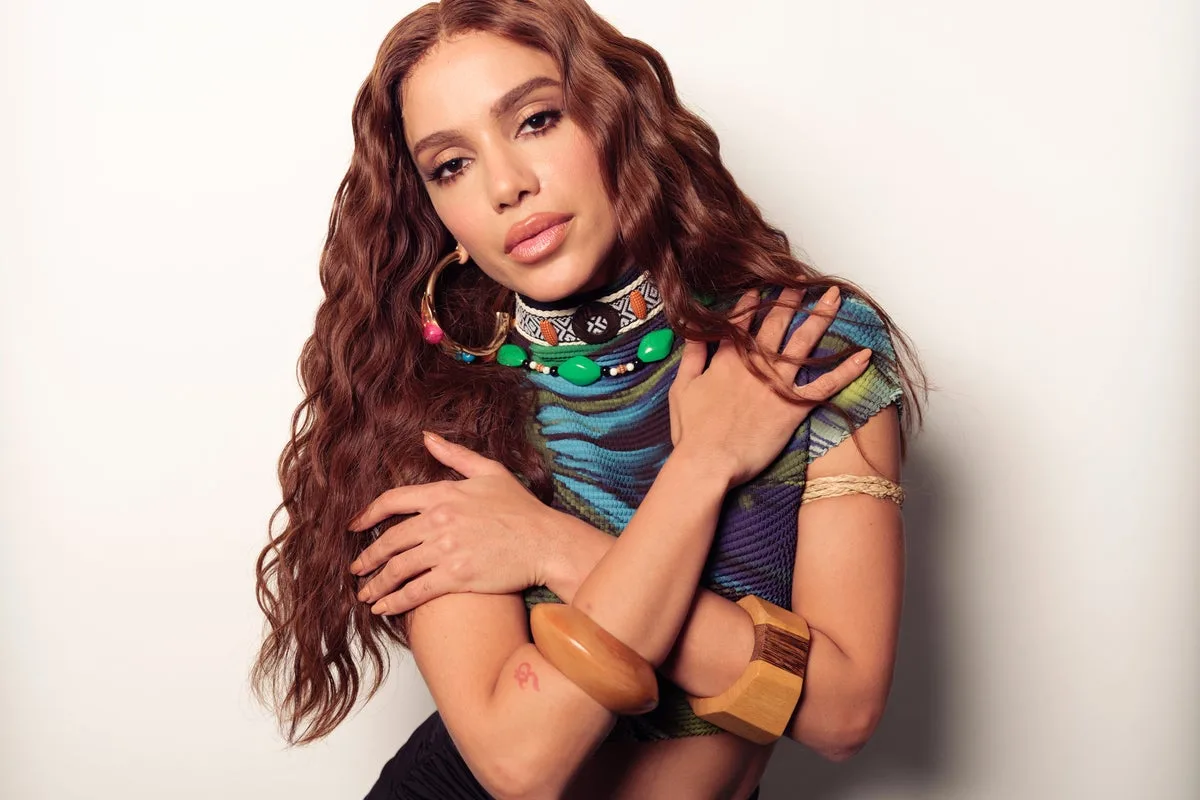
In the hallowed halls of Studio 8H at New York City's 30 Rockefeller Plaza, a quiet intensity fills the air. All attention is focused on Anitta, the Brazilian superstar, as she stands poised for rehearsal. With dancers and a small band framing the stage, the scene is set for a momentous performance. A stand-in announces, "Ladies and Gentlemen, Anitta," and a flash of red light ignites the room, signaling the start of show time. This is the famed Saturday Night Live set, where Anitta recently ran through two new songs—"Choka Choka" featuring Shakira and "Varias Quejas," a Spanish-language rendition of an Olodum classic—ahead of her forthcoming album, "Equilibrium."
A Sonic Tribute to Brazilian Heritage
"Equilibrium" represents a bold departure from Anitta's previous work, particularly 2024's "Funk Generation." While that album paid homage to Brazilian funk, this new release is an eclectic fusion of Brazilian funk, samba, bossa nova, semba, reggae, and electronic pop, delivered in Portuguese, Spanish, and English. Anitta herself describes it as "100% my most Brazilian album," emphasizing her desire to honor her roots. In an interview with The Associated Press, she stated, "I really wanted to do an album honoring my roots," highlighting how this project showcases the most authentically Brazilian aspects of her artistry ever presented on American television.
Spiritual and Cultural Depth
The album delves deep into Brazilian culture, with songs that pay tribute to Yoruba entities and Orishas, such as on the track "Nanã." Anitta explains, "One of the songs talks about God and how do I see God in life." This spiritual exploration is not new for her; in 2024, she sparked controversy with the music video for "Aceita," which depicted rituals of the Afro-Brazilian faith Candomblé. Elevating marginalized groups—including women, favela residents, LGBTQ+ individuals, and Black people—has always been central to Anitta's public persona, and "Equilibrium" continues this mission through its lyrical and musical narratives.
Collaborative Brazilian Spirit
"Equilibrium" is a celebration of community, featuring collaborations with Brazilian artists like rising songwriter Melly, award-winning samba rock artist Liniker, and the reggae band Ponto de Equilíbrio. Even the single "Choka Choka" with Shakira is a love letter to Anitta's culture, with Shakira performing in Portuguese. Co-producer Daramola noted in a press statement, "Anitta wanted to create something for Brazil, but with an international touch," praising the track's energetic Brazilian funk percussion. The album seeks to deliver universal messages through regional sounds, eschewing conventional trends to amplify what makes Anitta unique.
Artistic Freedom and Global Resonance
Anitta reflects on her artistic evolution, stating, "In the past, if I wanted to reach a certain audience, I would do more English or Spanish or whatever. And I just think ... I don't know if people are accepting better. I don’t care that much as I used to." On "Equilibrium," Portuguese takes precedence, allowing for a freer, more authentic sound. Tracks like "Vai Dar Caô" feature raps over samples of Brazilian classics, while softer songs like "Ternura" showcase nylon-string guitars, highlighting the album's diverse storytelling.
A Message of Unity and Balance
The album concludes with "Ouro," a collaboration with the duo Emanazul, described as medicine music. Anitta calls it a "meditation," incorporating a mantra from the female God Tara. She emphasizes, "I don’t want people to think this is one type of thinking, one direction. I like to join forces. I think that’s what this album is about: honoring Brazilian roots, honoring everything that I think can make us feel elevated." Her ambition for "Equilibrium" is to promote harmony and respect for differences, delivered through a pop framework. She smiles, "I think the album brings a lot of fun instruments, percussions, all that, but also brings like moments for us to ... find the balance, the middle term, the middle way of doing things. That’s the secret."