Afrika Bambaataa, Hip-Hop Pioneer, Dies at 68 After Prostate Cancer Battle
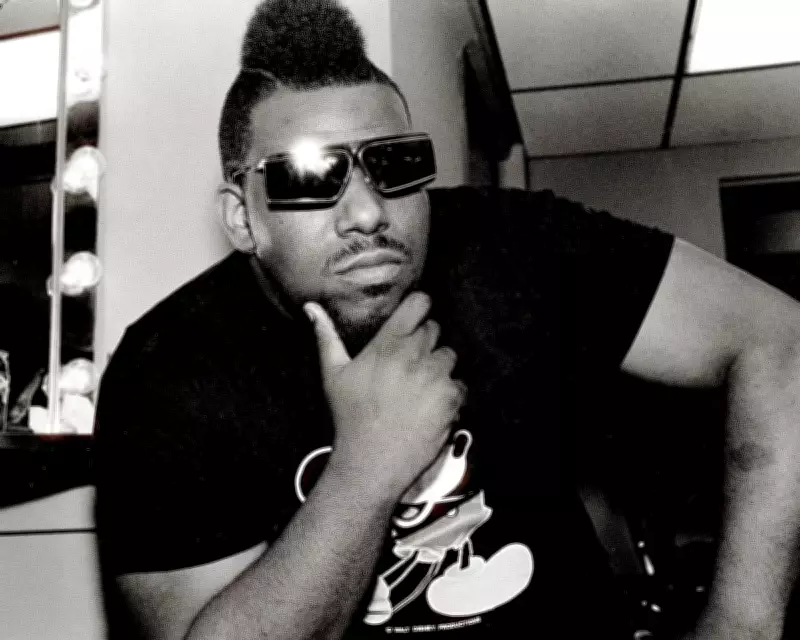
Afrika Bambaataa, the influential DJ, rapper, and producer who played a pivotal role in the development and rise of early hip-hop, has died at the age of 68 from prostate cancer. Often grouped with Kool Herc and Grandmaster Flash as one of the genre's foundational innovators, Bambaataa became particularly known for integrating electronic music into hip-hop, using synthesisers and drum machines to create a futuristic techno-pop sound.
Groundbreaking Contributions to Music
Bambaataa's pioneering vision helped shift the initial phase of hip-hop away from its reliance on soul and funk beats toward a more innovative electro-funk blend. This new direction was epitomised by his 1982 single Planet Rock, released with the Soulsonic Force collective. The track featured a keyboard hook from Kraftwerk and became a formative hip-hop classic, one of the earliest rap songs to reach a broader public audience.
Over the following years, Bambaataa continued to ease hip-hop into mainstream popularity through club performances and recordings. He collaborated with notable musicians such as James Brown on the 1984 song Unity and John Lydon on World Destruction, which became a Top 50 hit in the UK in 1985. His work, including follow-up singles like Looking for the Perfect Beat (1982) and Renegades of Funk (1983), was described by music journalist Jason Gross as "turning points for the whole hip-hop style," later influencing the techno revolution in Detroit.

Cultural Impact and Legacy
Beyond music, Bambaataa played a key role in defining and supporting emerging hip-hop culture elements like breakdancing and graffiti art. He founded the Universal Zulu Nation, an organisation aimed at steering the scene away from violent, gang-related roots and promoting positive values. However, in later life, his legacy was overshadowed by historical allegations of sexual activity with underage boys, which he denied but led to his resignation from the Universal Zulu Nation in 2016.
Born Lance Taylor in New York, Bambaataa was raised by his Jamaican mother in the Bronx. He adopted his stage name after the 19th-century Zulu leader Bhambatha and began organising crews, breakdancing competitions, and DJ events as a teenager. Using his extensive vinyl collection, he pioneered turntable techniques to create new soundscapes, making his recording debut in 1980 with Zulu Nation Throwdown.
Later Career and Controversies
Although not a prolific recording artist, Bambaataa preferred to identify as a DJ, with intermittent studio work often involving compilations. In the 1990s and beyond, he focused on expanding the Universal Zulu Nation globally, promoting ideals like "freedom, justice, equality, peace." In 2012, he became a visiting scholar at Cornell University, which archived his records, notebooks, and other memorabilia.
Despite these achievements, Bambaataa faced persistent allegations of abusing young men and boys dating back to the late 1970s. In 2025, he was involved in a civil court case in New York, accused of sexually abusing and trafficking a plaintiff from age 12. He refused to engage with the court, resulting in a default judgment against him. Afrika Bambaataa passed away on 9 April 2026, leaving a complex legacy as a music pioneer whose later years were clouded by controversy.